Unity and Lua Bring Modern Dev to Original PlayStation

Developers can now craft games for the original PlayStation, or PSX, using the popular Unity game development platform and the Lua scripting language. This impressive feat comes courtesy of [Bandwidth] and the team behind the psxsplash engine, as reported by Hackaday.
This means that a console released in 1994, long before Unity's 2005 debut, can now benefit from a modern, accessible development workflow. It's truly impressive to see a modern development platform like Unity 6000.0+ integrated with the stark constraints of the PlayStation's 33 MHz CPU and 2 MB of RAM.
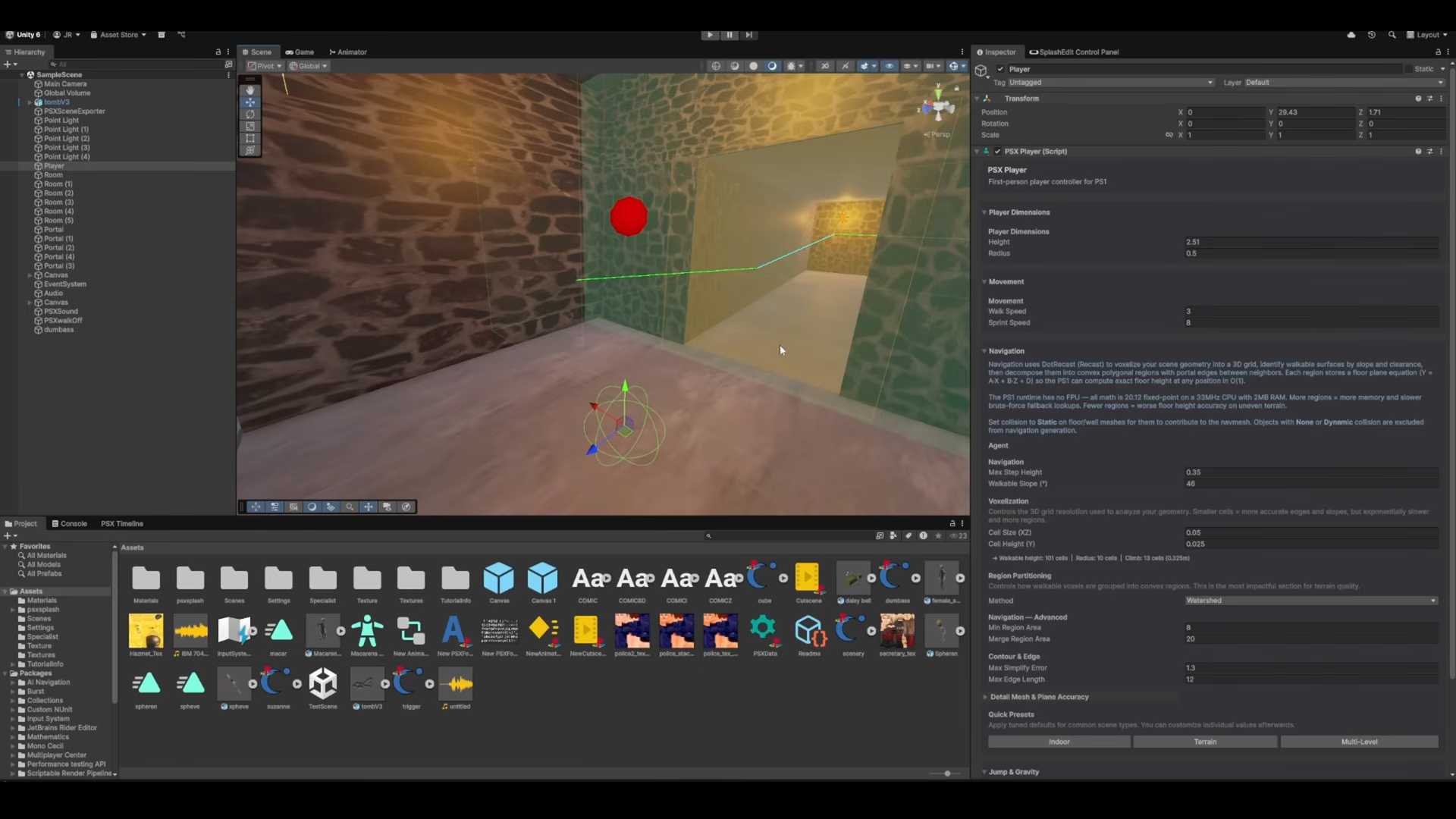
The core of this new capability is the SplashEdit tool. This programme allows creators to whip up scenes, handle scripting, design loading screens, and create user interfaces, all the essential components for assembling a complete game.
Modern Tools for Classic Hardware
Using Unity and Lua for PSX development offers a significant shift from traditional methods. Developers can leverage a familiar, high-level environment to target hardware that typically requires low-level programming knowledge.
This approach streamlines the creation process, making it more approachable for those accustomed to contemporary game engines. The real story here is how this project democratises PlayStation development, making it accessible to a new generation of creators familiar with Unity's workflow.
Diving into psxsplash
Once a game is designed within SplashEdit, it runs via the psxsplash engine. This engine facilitates deployment to either an emulator or even real PlayStation hardware with a single click, a convenience rarely seen in retro homebrew development.
Currently, this development environment requires a Windows or Linux machine and Unity 6000.0+ to function. Despite these specific system requirements, the overall process is designed to be straightforward for new and experienced developers alike.
The Future of PSX Homebrew
This project breathes new life into the legendary grey machine, demonstrating that decades after its release, the PlayStation still offers fertile ground for innovation. It reminds me of the accessibility brought by tools like GB Studio for Game Boy development, opening up retro platforms to wider audiences.
Such efforts are vital for the homebrew scene, encouraging new content and experimentation on beloved retro consoles. It ensures that the PlayStation's legacy continues to evolve beyond its commercial lifespan.
We will be keenly watching to see what creative projects emerge from this new Unity and Lua toolchain. The potential for fresh, modern experiences on classic hardware is genuinely exciting.
Follow RetroShell on X for daily retro gaming news. Join the community on r/RetroShell.
Originally published by Hackaday. Read original article.