UNIVAC 1219B Runs Minecraft Login via RISC-V Emulation

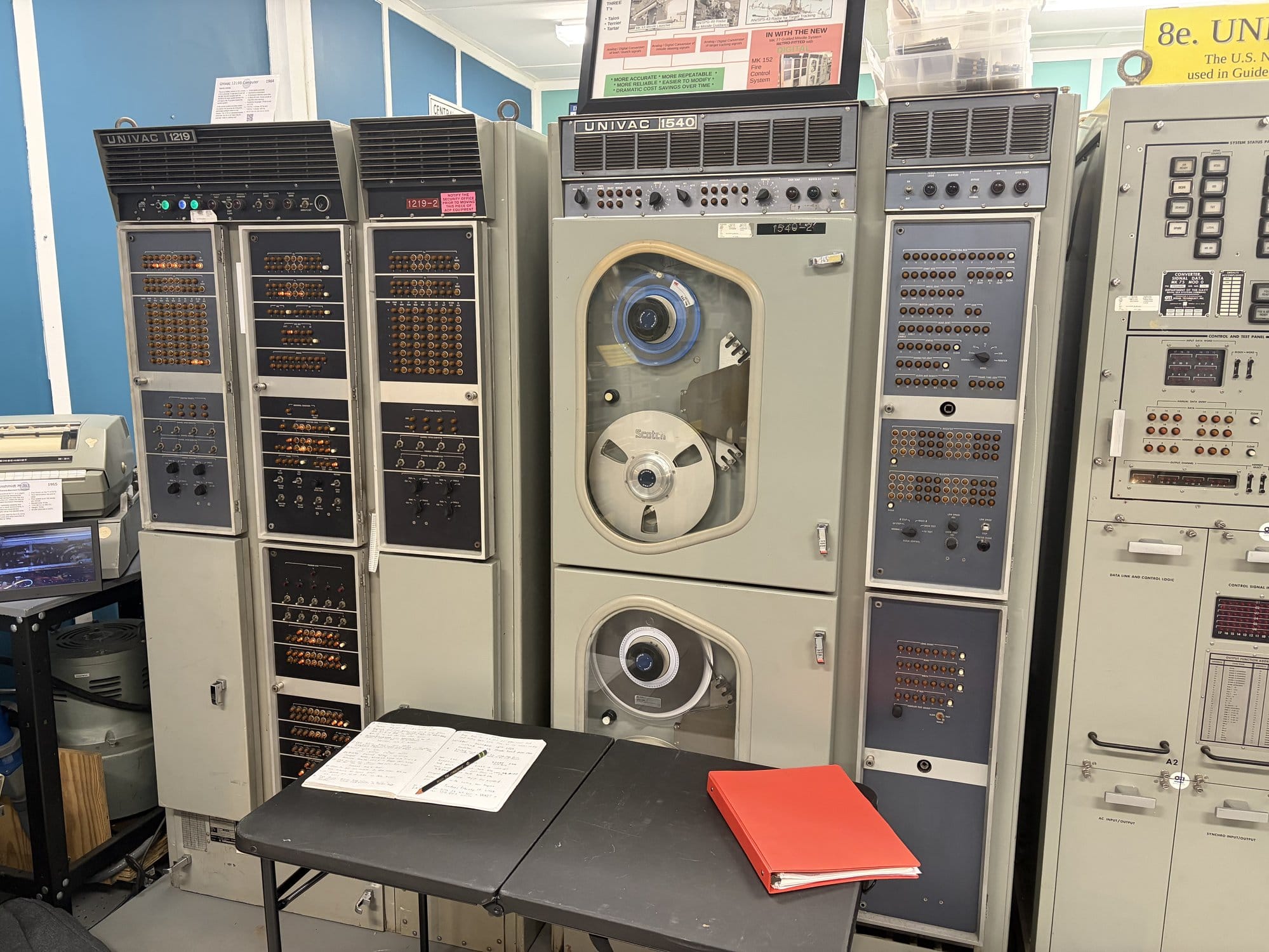
Nathan Farlow and TheScienceElf have achieved a remarkable feat, coaxing a 1960s UNIVAC 1219B computer to process a Minecraft login. This project highlights the extreme lengths enthusiasts will go to bridge modern software with vintage hardware, even on an architecture as unusual as the UNIVAC's 18-bit word system, which uses 18-bit chunks of data, and its one's complement arithmetic, a method of representing signed numbers that differs significantly from today's standard two's complement.
The UNIVAC 1219B itself is a seriously peculiar machine by modern standards. It features an 18-bit word length, not a power of two, alongside one 36-bit and one 18-bit register. Its memory capacity is a mere 40,960 words. This architecture, developed in the 1960s, predates many conventions we now take for granted in computing.
Farlow's detailed blog post and TheScienceElf's YouTube video document the extensive work involved in this endeavour. They leveraged existing documentation and an old BASIC emulator as a starting point. This foundation allowed them to create a new, more robust emulator in Rust, crucial for testing their ambitious plan without monopolising the rare physical hardware.
UNIVAC's Unique Architecture and Emulation Challenges
The core challenge was running modern software on such a niche architecture. The team chose to implement a Reduced Instruction Set Computer - Five (RISC-V) emulator. This strategy involves compiling modern code to the RISC-V instruction set, which then runs within the UNIVAC emulator. It is a common approach when targeting obscure or highly specialised hardware, similar to how some FPGA developers create soft-cores to run specific instruction sets like ARM or MIPS.
It is worth noting that while the Minecraft server was only the login portion, the sheer technical accomplishment of getting Transmission Control Protocol/Internet Protocol (TCP/IP) communication working over a serial connection between a 2020s laptop and a 1960s machine is the real story here. This level of hardware interaction and protocol translation is a complex undertaking.
Broader Implications for Retro Computing
The project also demonstrated the UNIVAC's processing capabilities, albeit slowly. A single frame of an NES game, for instance, took approximately 40 minutes to render on the emulated system. This highlights the vast performance gap between early computing and even 8-bit consoles. However, the ability to execute any modern code, regardless of speed, is a significant proof of concept.
This project, supported by the Vintage Computer Federation's efforts to maintain the operational UNIVAC, demonstrates that even the most arcane hardware can be brought into dialogue with modern computing. It opens doors for further experimentation, pushing the boundaries of what is possible in hardware emulation and preservation, much like the ongoing work in cycle-accurate emulation for platforms such as the Game Boy.
Follow RetroShell on X for daily retro gaming news. Join the community on r/RetroShell.
Originally published by Hackaday. Read original article.