SuperStation One: FPGA PlayStation Delivers Authentic Experience

The SuperStation One, created by Taki Udon, leverages Field-Programmable Gate Array (FPGA) technology to deliver cycle-accurate PlayStation emulation, a level of hardware fidelity that stands apart from typical software-based micro-consoles. This new device, reviewed by Time Extension, presents a strong alternative for enthusiasts seeking the most authentic retro gaming experience without relying on original, ageing hardware.
Unlike many official micro-consoles from Sony or Nintendo that use software emulation, the SuperStation One employs FPGA cores. Field-Programmable Gate Arrays are integrated circuits configured after manufacturing, allowing them to mimic the original console's hardware at a transistor level. This approach significantly reduces input latency and increases accuracy compared to software-based solutions.
Marrying Modern FPGA with Classic Connectivity
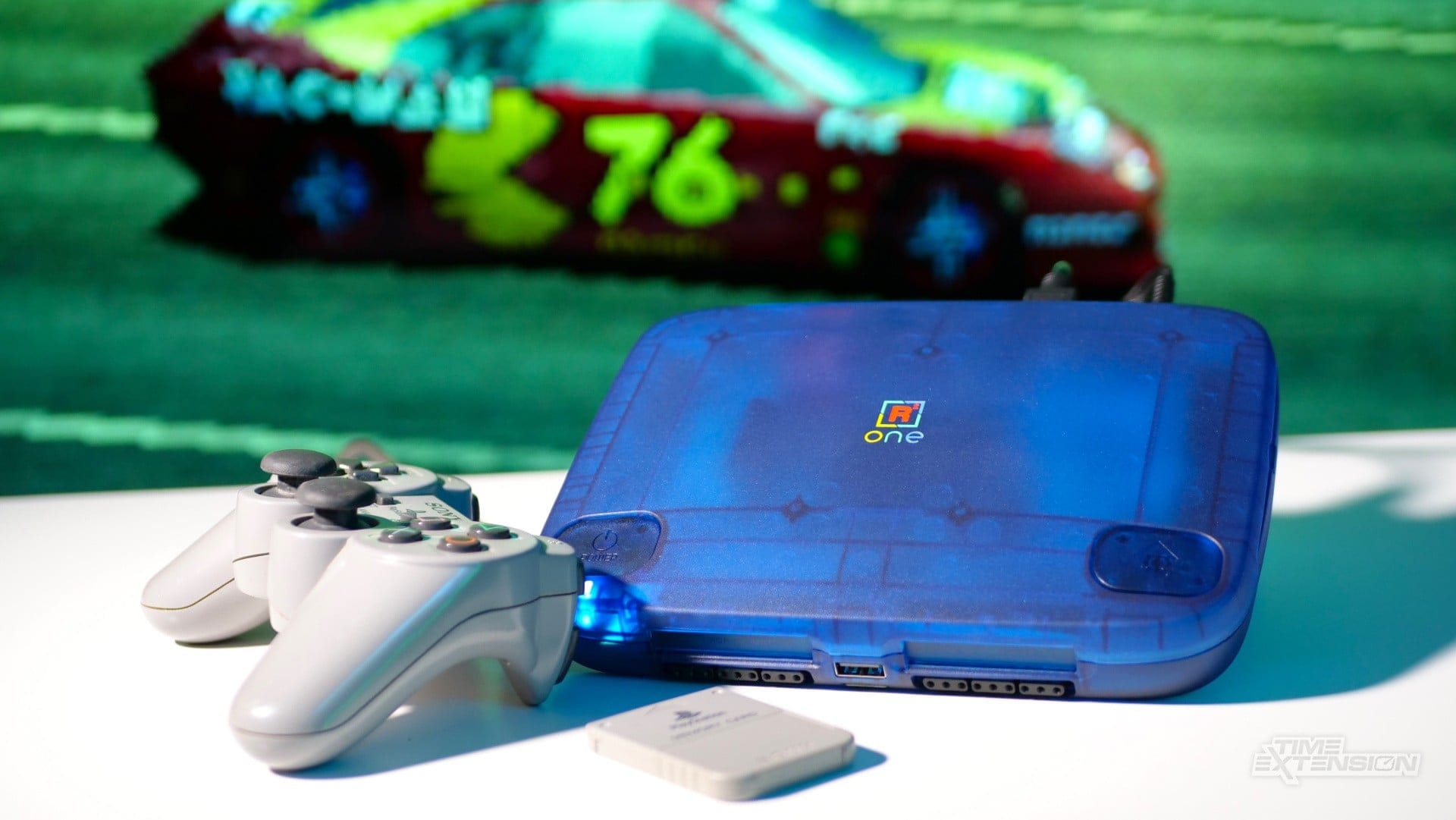
The SuperStation One is essentially a MiSTer Pi housed in a compact, PSOne-inspired shell. It comes pre-configured with a 64GB MicroSD card, loaded with open-source BIOS files and homebrew games. While the MiSTer FPGA platform is renowned for its accuracy and wide system support, its physical setup can sometimes be daunting for newcomers.
What sets the SuperStation One apart is its focus on legacy connectivity. It includes a 24-bit digital-to-analog converter (DAC), enabling output via VGA, RGB, S-Video, Component, and Composite, alongside modern HDMI. This broad support means it can connect to almost any old-school television, providing an authentic visual experience.
Accessory Support for the Purist
One of the most appealing features for PlayStation enthusiasts is the native support for original accessories. The SuperStation One allows users to plug in their original PlayStation controllers, memory cards, and even light guns via a Serial Native Accessory Convertor (SNAC) module. SNAC is a low-latency interface that connects original console peripherals directly to the FPGA, bypassing USB conversion and ensuring a truly authentic input feel.
This direct accessory support means players can continue using their beloved DualShock pads and access decades-old save games from their original memory cards. This level of hardware compatibility is often a critical factor for collectors and purists, making the SuperStation One a particularly attractive proposition.
Built-in Features and Future Expansions
Beyond its core MiSTer functionality, the SuperStation One integrates several features typically requiring external USB modules on standard MiSTer setups. It includes built-in Bluetooth and WiFi, simplifying wireless connectivity for controllers and network updates. An NFC reader is also present, supporting the Zaparoos system, which loads games from rewritable NFC cards, mimicking the tactile experience of inserting physical media.
The unit also supports real-time clocks (RTC) for games like Pokémon, though it requires users to install a CR1220 battery themselves. This is a straightforward process, involving the removal of rubber pads and four screws to access the internal compartment. For those not concerned with RTC features, this step is optional.
Performance and Core Optimisations
In terms of raw performance, the SuperStation One mirrors the MiSTer FPGA, supporting systems up to and including the Sega Saturn and Nintendo 64. The FPGA community has developed highly accurate cores for these platforms, offering a level of fidelity that software emulation struggles to match, especially regarding input latency.
Time Extension notes that the cores pre-loaded on the SuperStation One have been specifically tweaked to support its legacy AV output options. While these changes are expected to be incorporated into the main MiSTer distribution eventually, for now, the SuperStation One operates somewhat as a standalone platform. Retro RGB, a respected resource for video output information, has confirmed these core modifications will be integrated into the broader MiSTer ecosystem.
The Promise of Console Mode
One of the most significant upcoming developments is 'Console Mode', a simplified user interface being developed by Taki Udon and his team at Retro Remake. This mode aims to address the often steep learning curve associated with the MiSTer's default menu system. Console Mode will offer a more intuitive experience, complete with cover artwork support and a streamlined update process.
This initiative is critical for broadening the appeal of FPGA platforms beyond the most technically inclined users. While the SuperStation One already includes a quick setup guide and a BIOS checker to help new owners, Console Mode promises to make the entire experience much more accessible. The BIOS checker, for example, allows users to easily identify and replace open-source BIOS files with official ones for maximum authenticity.
Cooling Considerations and Build Quality
The SuperStation One feels solidly built and is entirely user-serviceable, a welcome design choice. It features a dedicated power button, a convenience often missing from typical MiSTer setups. However, Time Extension observed that the unit can run a little warm due to the absence of an internal fan, which is usually present in MiSTer and MiSTer Pi units.
Taki Udon has confirmed support for both active and passive cooling solutions. While the heat generated did not appear to cause immediate issues during the review, it is something to monitor for long-term use. The transparent blue casing on the review unit offers a distinct aesthetic, though a more traditional grey plastic option is also available.
The SuperDock and Optical Media Support
The most exciting future prospect for the SuperStation One is the optional SuperDock, priced at approximately $50. This add-on will enable support for original PlayStation optical media, a feature that would truly complete the authentic experience. Furthermore, the SuperDock is planned to support optical media for other consoles, including the Sega Saturn and Mega CD, which is a substantial draw for collectors with large physical game libraries.
What this hints at, for the scene, is a growing recognition that user experience, beyond raw accuracy, is critical for broader FPGA adoption. The combination of cycle-accurate emulation, extensive legacy hardware support, and a user-friendly interface positions the SuperStation One as a strong contender in the FPGA market. For those who have long considered modding an original PlayStation with HDMI output or a modern power supply, the SuperStation One offers a compelling, ready-made solution that removes the need for such retro-fitting efforts. The SuperStation One is available for $210, as reported by Time Extension.
Prefer your retro news in one weekly dose? The RetroShell Substack ships on Mondays, curated by the same people who write the site.
Follow RetroShell on X for daily retro gaming news. Join the community on r/RetroShell.
Originally announced by Nintendo · first reported by Time Extension.