ROCKNIX Transforms MiniLoong Pocket 1 Performance
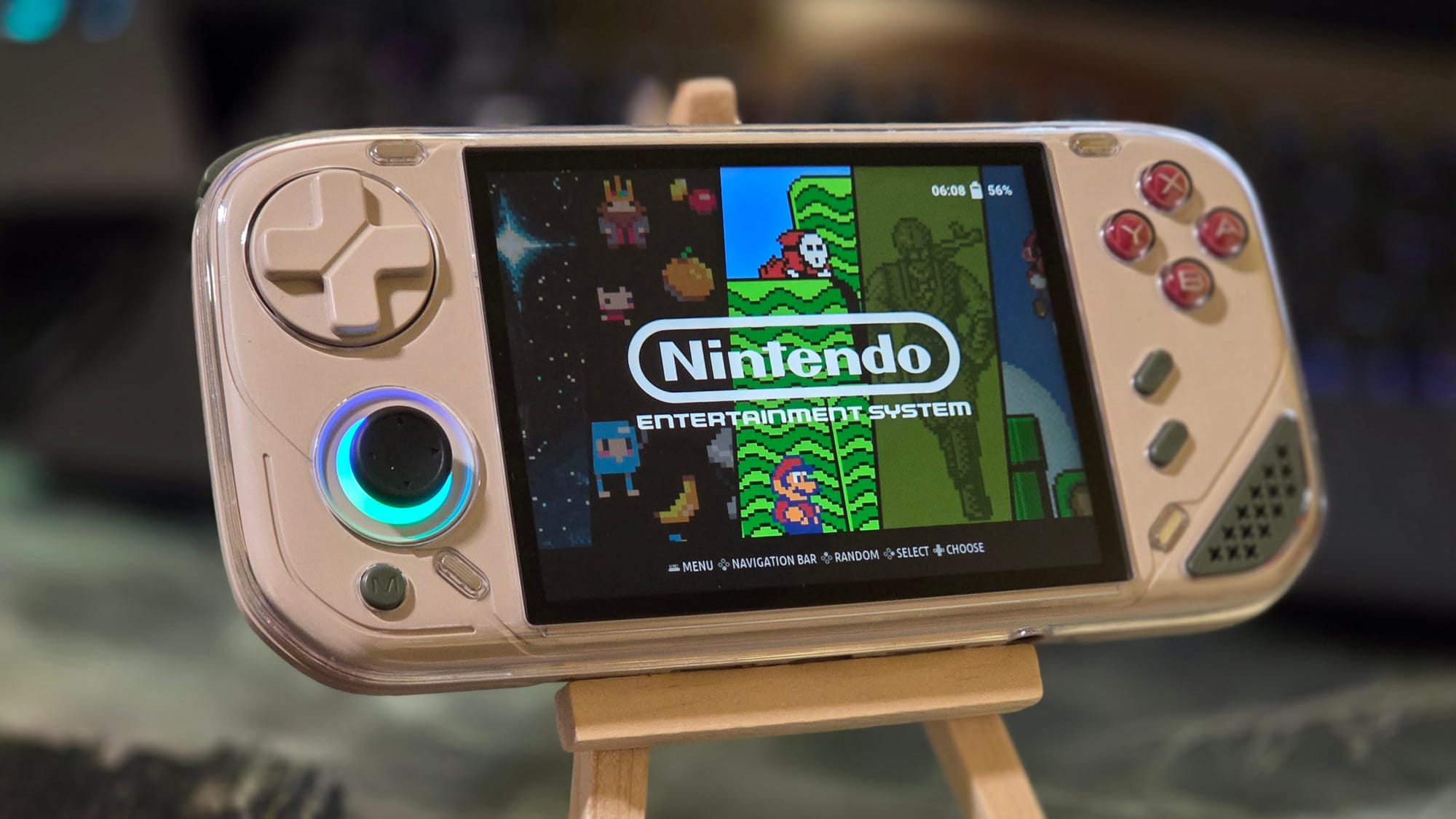
The MiniLoong Pocket 1, a handheld device featuring the capable Rockchip RK3566 system on a chip, was released with a promising 4-inch, high-resolution display. However, its initial software experience, MiniloongOS, proved to be a significant bottleneck, reminiscent of early Anbernic or Miyoo releases before community firmware stepped in to unlock their true potential. This Linux-based operating system, despite its simple user interface, suffered from noticeable lag and poorly configured emulation settings.
The Stock Software's Shortcomings
Retro Handhelds' analysis highlighted several critical issues with the default MiniloongOS. The menu navigation was sluggish, and adjusting the volume produced an intrusive, non-toggleable 'CLICK' sound. More importantly for a gaming device, the pre-configured RetroArch, a popular front-end for emulators, was inefficient. It defaulted to an audio latency of 128 milliseconds, a delay easily perceptible in 2D platformers or menu interactions. Attempts to reduce this to a more tolerable 64 milliseconds resulted in stuttering performance and garbled audio, clearly indicating a software optimisation problem rather than a hardware limitation of the RK3566 chipset.
Beyond the audio issues, the display's refresh rate was inaccurately set to approximately 61 hertz. This meant games were not running at their intended speed or pitch, affecting the fidelity of the emulation experience right out of the box. Furthermore, the device's Wi-Fi functionality for over-the-air updates was reportedly non-functional, leaving users without an official path to improvement.
Enter ROCKNIX: A Community Solution
The solution arrived in the form of AURKNIX, a branch of the ROCKNIX custom firmware developed by AveyondFly. This version is specifically tailored for a wider range of devices, including the MiniLoong Pocket 1, and receives regular updates to maintain parity with the official ROCKNIX branch. Crucially, AURKNIX operates from an SD card, leaving the original MiniloongOS untouched. This allows users to revert to the stock experience if they wish, though few are likely to once they experience the improvements.
Installing AURKNIX involves a straightforward process. After formatting an SD card, users flash the ROCKNIX image using a tool like Balena Etcher. The next step requires navigating to the extlinux directory on the SD card and modifying a .conf file. Here, a specific device tree blob, or dtb file, needs to be referenced. The dtb file is a data structure that describes the hardware components of a system to the Linux kernel, allowing the operating system to correctly interact with the device's unique configuration. For the MiniLoong, Powkiddy-55.dtb is changed to minilong.dtb (note the single 'o') before saving and ejecting the card.
Unlocking Hidden Display Potential
Once booted with ROCKNIX, the MiniLoong Pocket 1 transforms. The user interface becomes significantly smoother, and the underlying RetroArch configuration is vastly improved. Testing with titles like Kirby Super Star showed zero frame drops and an almost imperceptible audio lag of 32 milliseconds. This demonstrates the RK3566's true capabilities when paired with optimised software. The real story here, however, is the discovery that the MiniLoong Pocket 1's display actually supports a 90 hertz refresh rate. This is a significant finding for a budget device.
Under ROCKNIX's System Settings, users can globally set the display to 90.792000 hertz. This change dramatically enhances the user experience, making menu navigation fluid and reducing input lag even further. The higher refresh rate also eliminates micro stutters that can occur when a game's frame rate does not perfectly align with the display's refresh cycle. What this hints at, for the scene, is the often-untapped potential within budget hardware; community firmware frequently uncovers features or performance ceilings that manufacturers either overlook or choose not to optimise for, much like how OSD firmwares have revitalised IPS retrofit kits for older Game Boy models.
The Collector's Take and Future Outlook
While ROCKNIX brings substantial improvements, a few minor issues remain. The start screen can appear glitchy, though the console still boots correctly from sleep. Game boot times, while improved, could still be faster, especially given the device's 1 gigabyte of random-access memory. These are minor quibbles, however, when weighed against the overall performance boost.
The MiniLoong Pocket 1, once a device with a promising form factor but a frustrating software experience, has been elevated by the community's efforts. The availability of a well-optimised custom firmware like ROCKNIX, coupled with the revelation of its 90 hertz display, makes it a much more compelling option in the budget handheld market. This situation underscores the critical role that community development plays in the longevity and usability of many retro-focused devices, often turning a middling piece of hardware into a genuinely strong contender.
RetroShell also makes museum-grade acrylic game protectors — UK-produced, cast acrylic, sized for every major console generation.
Follow RetroShell on X for daily retro gaming news. Join the community on r/RetroShell.
Originally published by Retro Handhelds. Read original article.