
Build Your Own Arduino Nano Tamagotchi Emulator

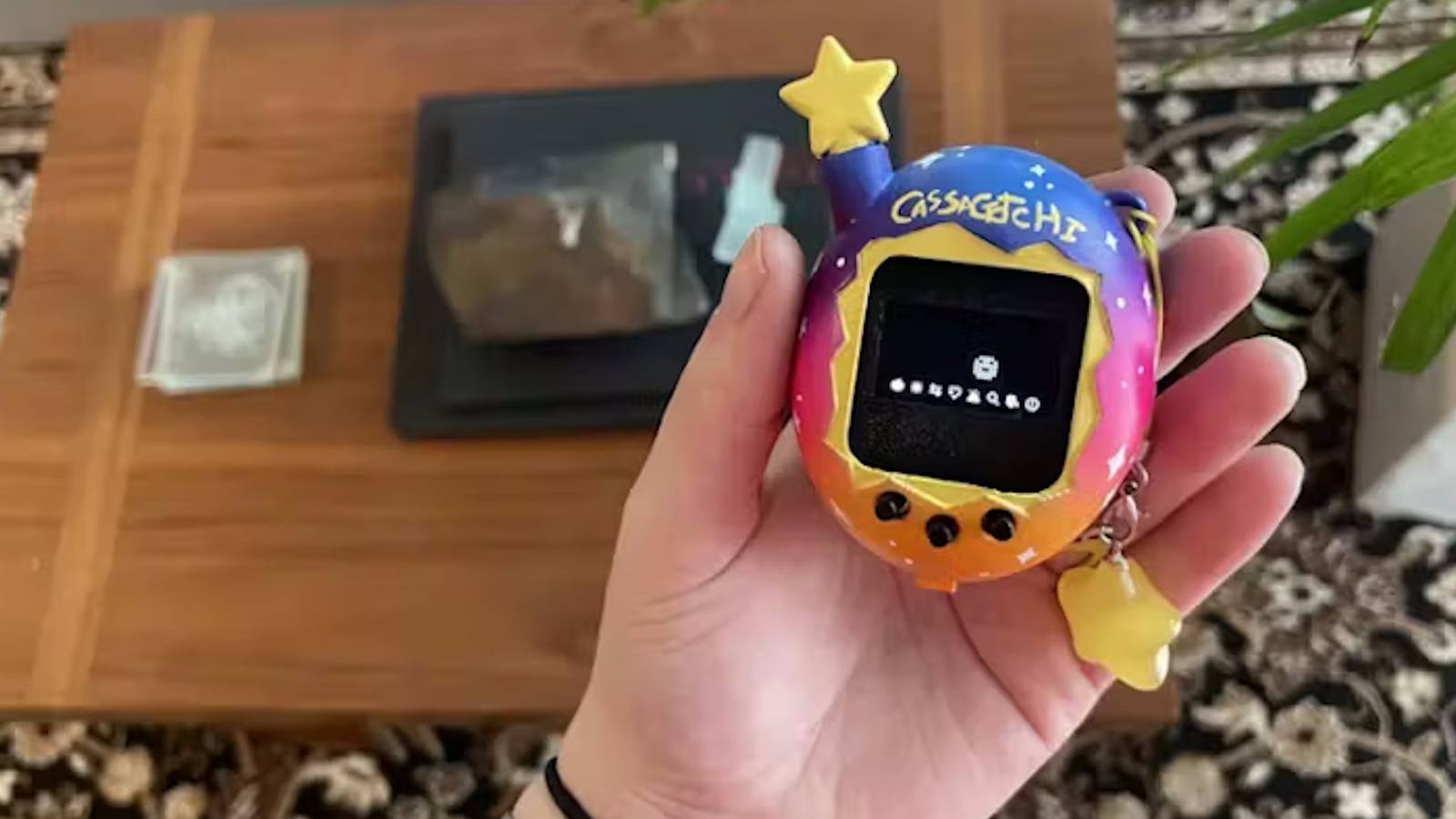
While the Analogue Pocket offers a premium, FPGA-driven experience for a wide array of handheld systems, there is a distinct satisfaction in building a dedicated, single-purpose emulation device from the ground up. This spirit is perfectly captured by a new project from Chaos Theory, which allows hobbyists to construct their own Tamagotchi emulator using an Arduino Nano and a custom 3D-printed shell.
As spotted by Hackster.io, this project aims to recreate the original 90s digital pet experience, not just with custom software, but by running an emulation of the classic Tamagotchi programme. The core of the build is an Arduino Nano, a compact microcontroller board known for its versatility in small-scale electronics projects. The project uses a Nano-adapted version of the ArduinoGotchi firmware, which is based on GPL-licensed code by Gary Kwok.
The bill of materials for this build is quite manageable for those with some electronics experience. Beyond the Arduino Nano and access to a 3D printer, you will need a 3.7V lithium polymer (LiPo) battery for power, a 168x64 Organic Light-Emitting Diode (OLED) display for visuals, and a few common tools like a micro-screwdriver, a multimeter, and some hot glue. The OLED display provides crisp, clear visuals, ideal for the simple graphics of a Tamagotchi.
The Appeal of Dedicated Emulation
Chaos Theory notes that a passing knowledge of Arduino coding, circuitry, and 3D modelling is recommended for this project. This is not a simple plug-and-play kit, but a genuine build for those who enjoy the process of assembly and flashing firmware. The 3D-printed shell is designed to be reminiscent of the original Tamagotchi form factor, adding to the authentic retro feel.
What this hints at, for the scene, is the enduring appeal of focused, accessible retro emulation projects. While devices like the Miyoo Mini or Anbernic handhelds offer multi-system emulation in a small package, a dedicated build like this Tamagotchi emulator provides a different kind of satisfaction. It is about the specific experience and the joy of bringing a single, beloved piece of retro hardware back to life through modern DIY techniques.
Community and Future Mods
The project creator openly admits their 3D modelling skills are nascent, suggesting that the community could make many improvements to the shell files. This openness is a hallmark of the modding scene, encouraging collaboration and iteration. It is easy to imagine enthusiasts refining the shell design, perhaps adding custom button colours or even exploring different OLED display options with higher pixel density, though the current 168x64 resolution is perfectly adequate for the original Tamagotchi aesthetic.
This Arduino Nano Tamagotchi emulator project stands as a great example of how readily available components and open-source firmware can combine to create compelling retro experiences. For those looking for a weekend project that culminates in a charming, functional piece of retro tech, this build offers a rewarding challenge and a tangible connection to 90s digital nostalgia.
If you're here, you probably want the whole scene. Join the weekly roundup on Substack — it's free, arrives Monday, and skips the filler.
Follow RetroShell on X for daily retro gaming news. Join the community on r/RetroShell.
Originally published by XDA Developers. Read original article.