
Game Boy Value: More Than You Realise

The original Game Boy, with its monochrome dot-matrix liquid crystal display (LCD) and four AA battery requirement, is seeing increased attention in the collector's market, with pristine units fetching surprising prices. This isn't just about nostalgia; it's about the enduring appeal of a robust, if low-power, handheld that still inspires backlight modifications and custom shell projects today. SlashGear reports that these classic Nintendo devices could be worth more than many realise, a sentiment echoed across the retro hardware community.
When the DMG-01, the first Game Boy model, launched in 1989, its Sharp LR35902 central processing unit (CPU) clocked at 4.19 MHz was considered adequate for its 160x144 pixel screen. The console's low power consumption, allowing for around 30 hours of gameplay on a fresh set of alkaline cells, was a key selling point. Today, the value of these units often hinges on their condition, particularly whether they retain their original box, manuals, and even the plastic baggies.
More Than Just a Toy: The Game Boy's Enduring Value
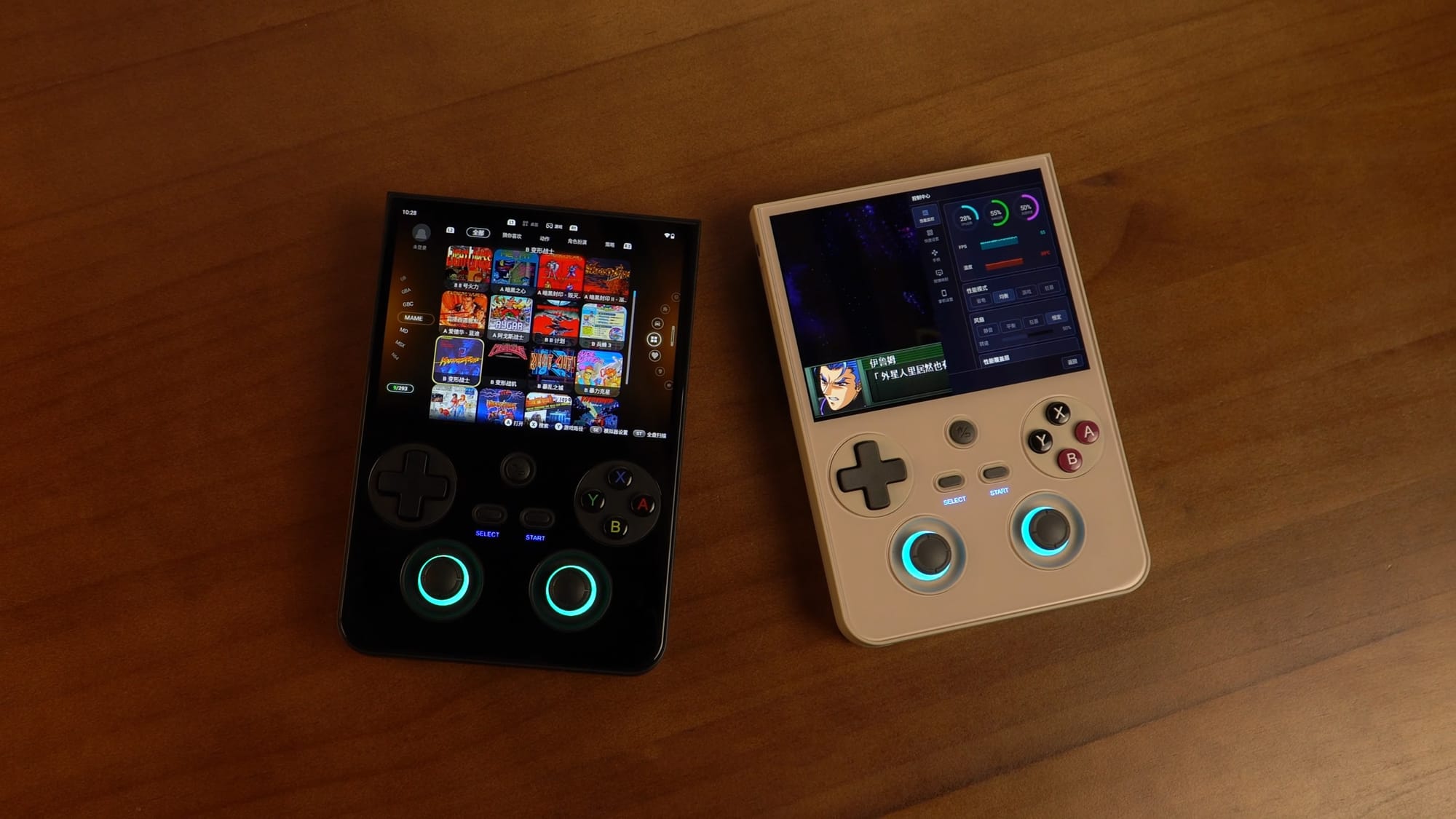
The market for retro handhelds has diversified significantly, from software emulation on modern smartphones to dedicated FPGA-based hardware like the Analogue Pocket. However, original hardware retains a unique draw. The tactile experience of the original buttons and the distinct feel of the plastic shell are factors that modern devices, despite their 1600x1440 pixel IPS displays and USB-C charging, cannot fully replicate. This physical connection helps drive collector demand, particularly for consoles that have been well-preserved. The Game Boy Advance, for example, with its 32-bit ARM7TDMI CPU, represented a significant leap in processing power, making pristine units of that model also highly sought after.
Condition and Rarity: The Collector's Metrics
SlashGear highlights that the condition of a Game Boy is paramount for its market value. A console still sealed in its original packaging, or one that shows minimal signs of use, will command a premium. Limited edition models, such as the various coloured Game Boy Pockets or the clear Game Boy Color, also fetch higher prices due to their scarcity. These are not merely functional devices; they are historical artefacts, preserved in their original state.
Modding and Original Hardware: A Complex Relationship
The modding scene, which Dev Kapoor often covers, presents an interesting dynamic for original Game Boy values. Backlight modifications, for instance, replace the original reflective LCD with a modern, backlit IPS panel, drastically improving playability. While these mods enhance the user experience, they typically decrease the console's value to a purist collector who prioritises originality. A console with a new FunnyPlaying IPS display and a fresh set of Panasonic FM capacitors in the power delivery circuit might be a joy to use, but it is no longer "original". This creates a split in the market: one for pristine, untouched originals, and another for highly customised, playable systems. Each serves a different segment of the retro community.
Nintendo's Handheld Legacy Continues
The Game Boy's legacy extends beyond its initial run, influencing subsequent Nintendo handhelds and the broader portable gaming market. Its simple, robust design proved incredibly resilient, a trait that continues to appeal to enthusiasts who enjoy repairing and restoring these devices. The real story here is not just about scarcity, but about the inherent repairability and moddability of these early Nintendo handhelds, which keeps them relevant even as modern FPGA-based devices like the Analogue Pocket offer superior display technology and power efficiency. This enduring appeal ensures the Game Boy remains a significant piece of gaming history, with its market value reflecting its cultural impact.
RetroShell makes the Nintendo protector set collectors actually reach for — precision-cut, British production, ships worldwide.
Follow RetroShell on X for daily retro gaming news. Join the community on r/RetroShell.
Originally published by SlashGear. Read original article.