Star Fox Remake: Revisiting Lylat, or a Missed Opportunity?

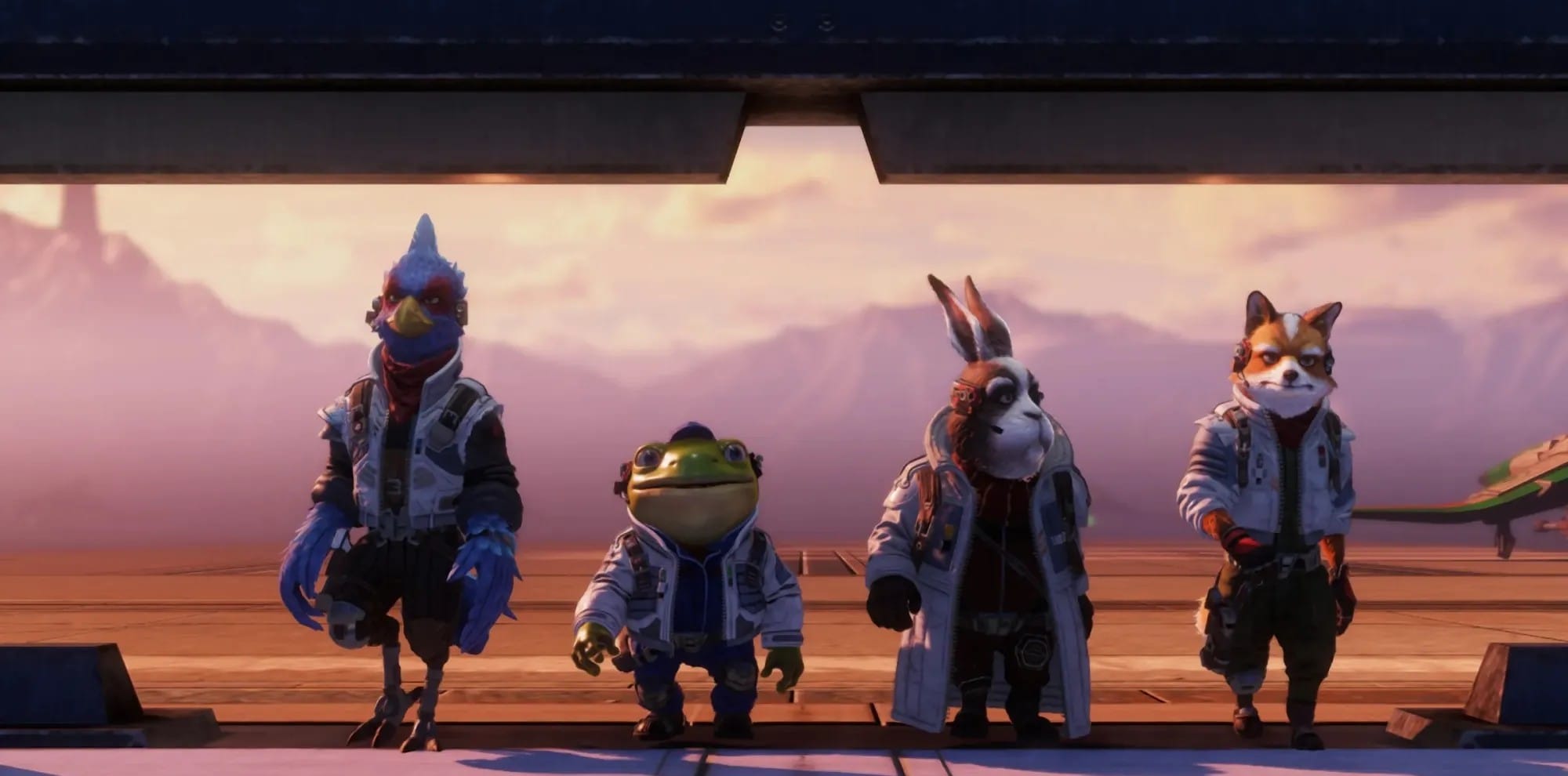
Nintendo's recent announcement of a Star Fox remake, revealed during a May Nintendo Direct, has predictably generated considerable discussion among enthusiasts. The decision to revisit Star Fox 64, a title often considered the series' commercial and critical zenith, rather than commissioning an entirely new entry, speaks volumes about the current strategic calculus applied to dormant intellectual property within the industry. This approach, while commercially sound in many instances, raises questions about the long-term creative trajectory for franchises that have struggled to find a consistent footing in recent decades.
The source, ComicBook Gaming, notes the enduring popularity of the Star Fox characters, particularly Fox McCloud's presence in the Super Smash Bros. series. Despite this visibility, the franchise itself has seen sporadic releases. Following a cluster of three titles in the early 2000s, a decade passed before Star Fox Zero arrived on the Wii U, and another ten years have elapsed without a new adventure. The re-release of Star Fox 2 on the Virtual Console, alongside the original Star Fox and Star Fox 64, served as a minor reprieve, but did not address the demand for fresh content.
The Allure of a Known Quantity
The appeal of a Star Fox 64 remake is understandable. The original game, released over thirty years ago, is widely regarded as a high point for the series, establishing many of its core mechanics and narrative beats. It was a foundational title for 3D console gaming, offering a solid arcade flight simulation experience that resonated with players, according to Official Nintendo website. The source acknowledges this deep affection, noting that the new project is the second remake the game has received, following Star Fox 64 3D for the Nintendo 3DS.
This latest iteration promises a fresh graphical overhaul, expanded cutscenes, gameplay tweaks, and new modes. Trailers hint at a more character-driven narrative, which, coupled with Fox's appearance in The Super Mario Galaxy Movie, suggests a concerted effort to re-establish the brand. The potential to recreate the memorable battles of the original with modern graphics is certainly a draw for many long-time fans and a way to introduce the series to a new audience.
A Question of Creative Trajectory
However, the choice to remake Star Fox 64 again, rather than develop a completely new game, does present a particular point of concern. The Nintendo Direct confirmed that the stages and core gameplay will remain largely consistent with the original. While visual enhancements are evident, and minor tweaks such as the inclusion of Katt from Star Fox 2 are present, the experience is expected to feel familiar. This is not a disaster, merely a missed opportunity for genuine innovation.
What this hints at, for the scene, is a cautious approach to intellectual property that has not consistently delivered commercial success in its newer iterations. Nintendo, like many publishers, often relies on its most reliable franchises. When a series like Star Fox struggles to find its footing with new entries, revisiting a proven success becomes a safer bet. It guarantees a certain level of recognition and pre-existing affection from the player base, which can translate into more predictable sales figures.
The Commercial Imperative of Nostalgia
This strategy is not unique to Nintendo. The industry frequently turns to remakes and remasters of beloved titles, capitalising on nostalgia and the lower development risk associated with established designs. For Star Fox, a series that has seen its share of experimental, and sometimes divisive, entries, returning to the Star Fox 64 template is a clear signal. It suggests a desire to ground the franchise in its most popular form before perhaps considering more ambitious new directions.
One could argue that an expanded character focus in the new cutscenes, as hinted by the trailers, could lay groundwork for future games. Similarly, a confirmed multiplayer mode might establish an online presence that could evolve. These elements, if handled adeptly, could serve as a bridge between the familiar past and a potential new future. Yet, the core experience remains a retread, which is a difficult pill for those who have waited years for a truly fresh Star Fox experience.
Looking Beyond the Lylat System
The real story here is the ongoing tension between preservation through re-release and the imperative for creative evolution. While the remake will undoubtedly be a polished product, it does not advance the series' narrative or mechanical design in a substantial way. It is a well-trodden path, albeit with a new coat of paint. For a series that once pushed the boundaries of console technology and 3D gameplay, this conservative stance is notable.
Moving forward, the success of this Star Fox remake will likely dictate Nintendo's future investment in the franchise. If it performs well, it may embolden the company to consider new entries. However, if the market response is merely adequate, it could reinforce the perception that Star Fox is best served by revisiting its past glories. The hope remains that this return to the Lylat System is a strategic pause, rather than a definitive statement on the series' creative limits.
If you read this far, you're the audience for Player Clothing: individually numbered, limited-edition retro-gaming t-shirts. One print run per design, then gone.
Follow RetroShell on X for daily retro gaming news. Join the community on r/RetroShell.
Originally published by ComicBook Gaming. Read original article.