ZX Spectrum Gets SimTower-Inspired Skyscraper Management

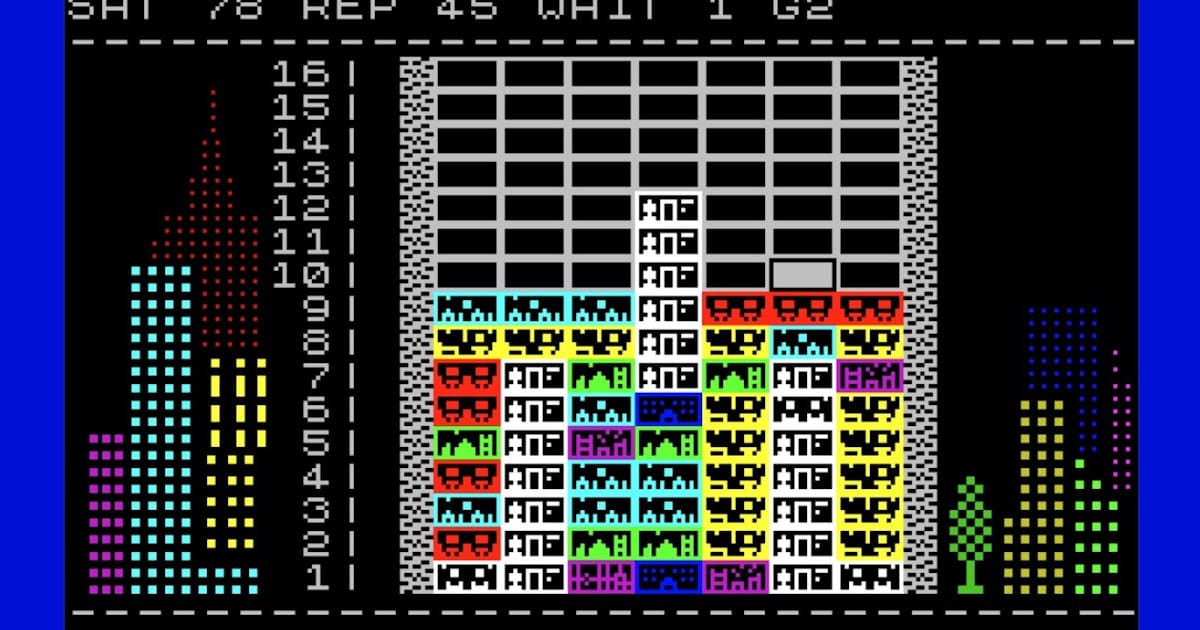
The ZX Spectrum, a machine many remember fondly from the mid-1980s, perhaps for the vibrant loading screen art of a Hewson title or the frantic action of a Jeff Minter blaster, continues to surprise us. Now, haabb001 has released Tower 48, an ambitious skyscraper management simulation that dares to bring the complex logistical challenges of a game like Maxis's SimTower to Sir Clive's humble 8-bit machine, a feat that would have seemed almost impossible to many programmers back in, say, 1986, when even a full-screen scrolling adventure was a technical marvel.
This new programme, reported by Indie Retro News, shrinks massive logistical strategy down to fit retro 8-bit hardware. It plays as if it were a lost classic from the late 1980s, a period when coders were constantly pushing the boundaries of what the Spectrum could achieve with its limited memory and colour palette.
Building a Digital Metropolis on the Speccy
In Tower 48, players step into the shoes of a real estate mogul, tasked with constructing an architectural marvel floor by floor. You can choose from multiple room configurations, deploying apartments for residential tenants, offices to drive commercial growth, and shops and restaurants to generate daily commerce. Elevators and various services are also critical to ensure smooth transit and essential support throughout your burgeoning tower.
Managing such a structure takes more than just stacking modules; players must continuously track a sophisticated network of living variables. Success rests on balancing cash flow, the overall population, dynamic workforces, and transient visitors. A deeper layer of strategy involves monitoring consumer satisfaction, public reputation, commuter waiting times, and the structural grade of your facility, all rendered with the Spectrum's distinctive visual style.
The Spectrum's Enduring Appeal
What this hints at, for the scene, is a continued, almost defiant, push against the perceived limitations of these older machines. It shows that the creative spirit, once channelled into squeezing every byte out of 48K or 128K, is still very much alive, finding new ways to tell stories and build worlds that were perhaps only dreamt of during the Spectrum's commercial heyday, a period roughly between 1983 and 1987, just before the Amiga and Atari ST truly took hold. The ambition of haabb001 to create a simulation of this depth for the Spectrum is a genuine testament to the platform's enduring appeal and the ingenuity of its community.
This release adds another compelling title to the growing library of modern homebrew games for the ZX Spectrum. With gameplay footage from Saberman expected soon, enthusiasts will get an even closer look at how this intricate simulation performs on the beloved British microcomputer.
Get every story worth reading in one email. Subscribe to the RetroShell newsletter and we'll send it on Monday morning.
Follow RetroShell on X for daily retro gaming news. Join the community on r/RetroShell.
Originally published by Indie Retro News. Read original article.