Nintendo DS and 3DS See Renewed Player Interest
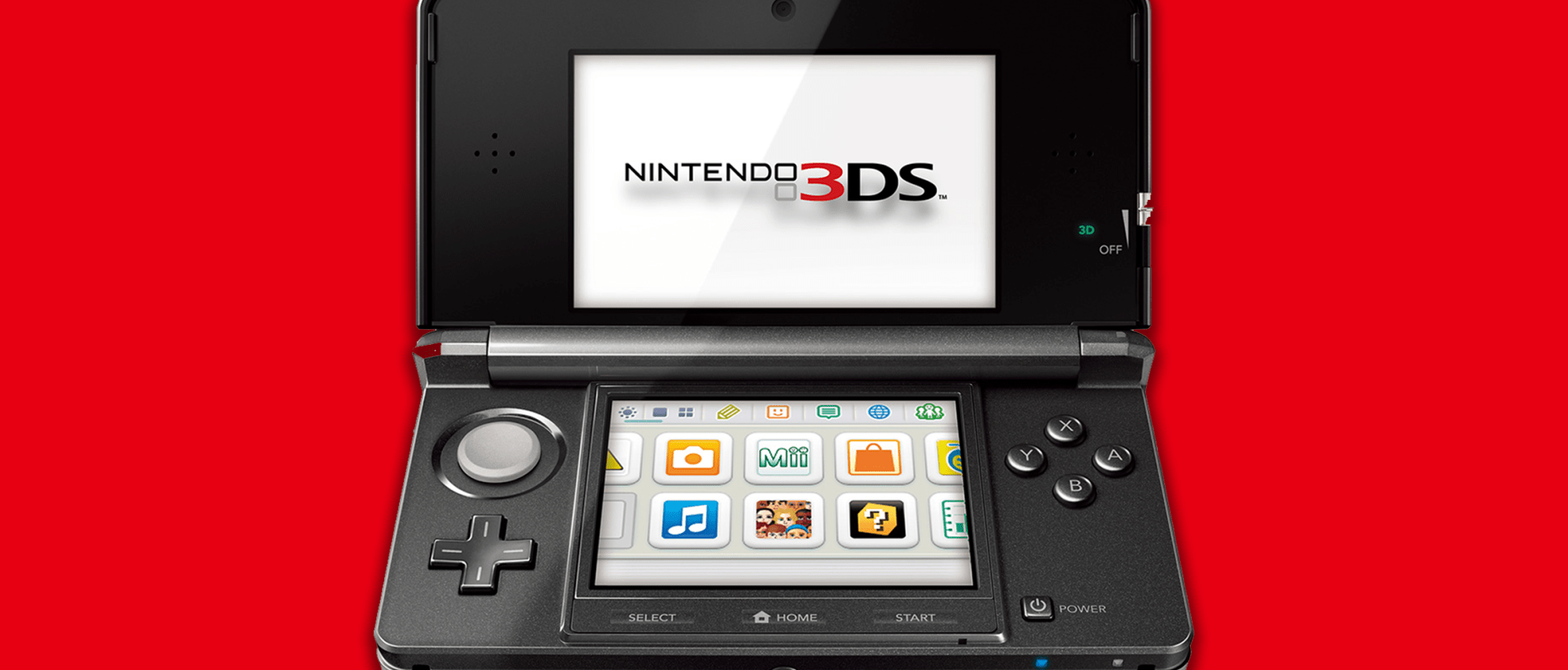
A noticeable trend has emerged: players are increasingly picking up Nintendo DS and 3DS consoles, despite newer hardware being available. This return to the dual-screen era highlights the unique appeal of these systems, which offer an experience distinct from single-screen handhelds or even the highly accurate FPGA cores found in devices like the Analogue Pocket. The DS, with its two 256x192 pixel screens and resistive touchscreen, presents a different set of challenges and opportunities for preservation and play compared to simpler Game Boy architecture.
Game Rant recently noted this resurgence, observing that decade-old games are once again capturing attention. This isn't just about general nostalgia; it points to specific design choices that make the DS and 3DS difficult to replicate fully through software emulation alone. The original Nintendo DS, for example, shipped with an 850 mAh battery, while the DS Lite improved this to 1000 mAh, offering respectable playtimes for its era.
The Dual-Screen Difference
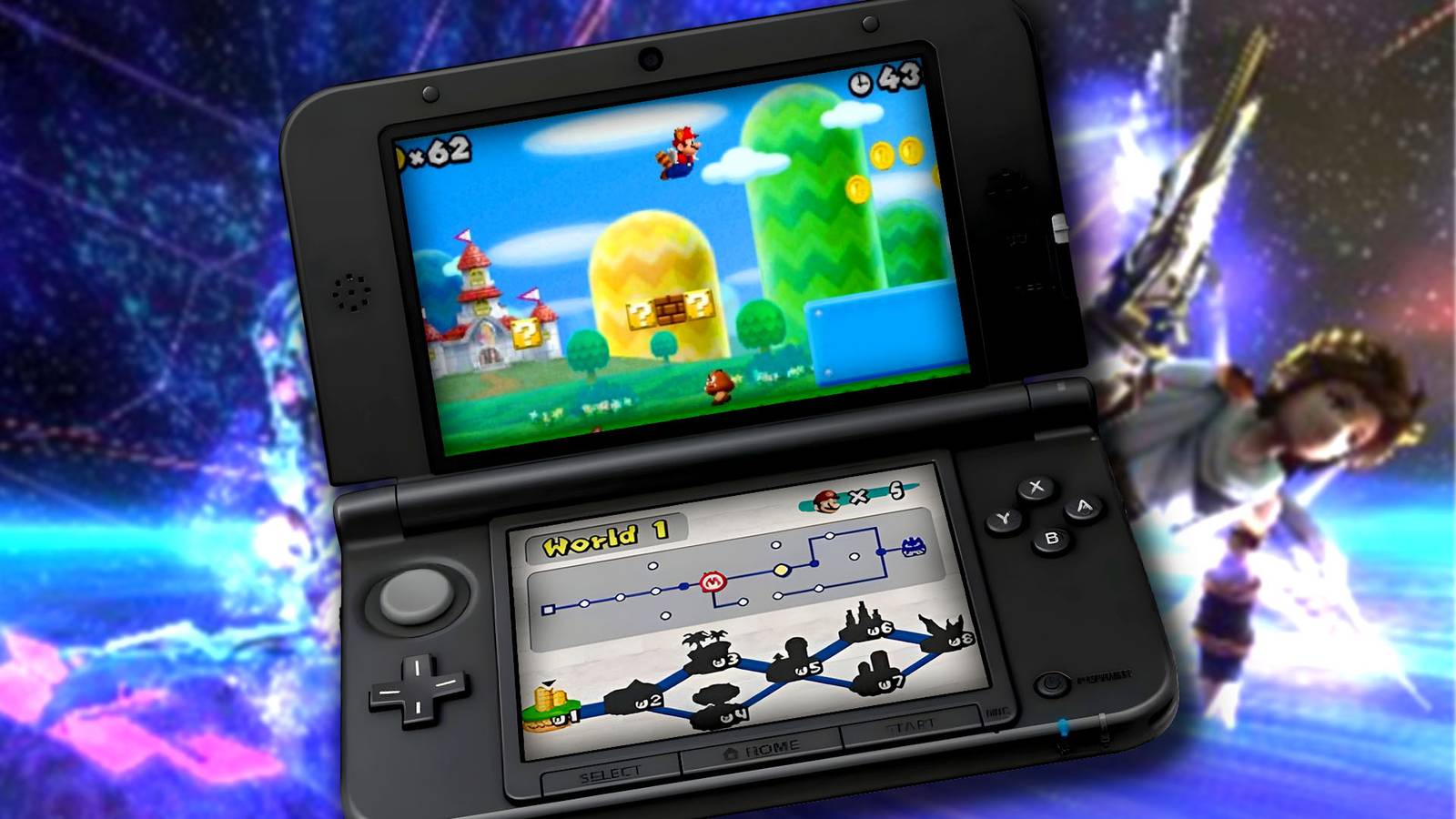
The core appeal of the DS and 3DS lies in their dual-screen setup and varied input methods. Many titles were designed from the ground up to use both screens simultaneously, often with the lower screen acting as a touch interface for inventory management, maps, or direct gameplay. This design philosophy extends to the 3DS, which added stereoscopic 3D without glasses, another feature that is challenging to reproduce authentically on other hardware. What this hints at, for the scene, is that the unique hardware interaction is a primary driver for players returning to the original systems.
Consider games like The Legend of Zelda: Phantom Hourglass or Elite Beat Agents, which heavily use the stylus for movement and actions. While software emulators can map these inputs to a mouse or trackpad, the tactile feedback and direct interaction of a stylus on a physical screen are lost. This makes the original hardware a critical component for experiencing these titles as intended. The 3DS also benefits from a strong custom firmware (CFW) scene, allowing for region-free play and homebrew applications, extending the life of the console well beyond its official support.
Beyond Simple Emulation
Unlike many 8-bit or 16-bit systems, where cycle-accurate emulation or FPGA recreations can offer near-perfect experiences, the DS and 3DS present a higher barrier. The two ARM processors (an ARM7TDMI and an ARM946E-S) working in tandem, coupled with the unique screen configuration and input peripherals like the microphone, create a complex system. While projects like MelonDS and Citra have made great strides in software emulation, the physical form factor remains a significant draw.
For modders, the DS and 3DS offer different avenues compared to Game Boy systems. While IPS screen upgrades are common for Game Boys, the dual-screen nature of the DS makes such modifications more complex and less common. Instead, enthusiasts often focus on shell replacements, battery upgrades, or installing custom firmware to unlock the system's full potential. The availability of replacement parts and the relatively straightforward nature of some repairs, such as replacing worn buttons or a faulty cartridge slot, also contribute to their longevity.
Keeping the Hardware Alive
The continued interest in the DS and 3DS underscores the importance of hardware preservation. As these consoles age, components like the internal lithium-ion batteries will degrade, and screens may develop issues. The community's efforts in documenting repairs, sourcing replacement parts, and developing custom firmware are critical for keeping these systems playable for future generations. This commitment ensures that the unique gameplay experiences offered by these handhelds do not fade away.
The trend suggests that for certain consoles, the original hardware offers an irreplaceable experience. The DS and 3DS are not just platforms for games; they are interactive devices whose physical design is integral to their appeal. As more players rediscover these systems, the demand for well-maintained units and community support will only grow, solidifying their place in retro gaming culture.
Wear the scene. Our Player Clothing line is a limited run — each t-shirt is individually numbered, designed for people who can still quote cartridge error codes from memory.
Follow RetroShell on X for daily retro gaming news. Join the community on r/RetroShell.
Originally published by Game Rant. Read original article.