Super Mario 64 Gets Second Fan Port on Game Boy Advance
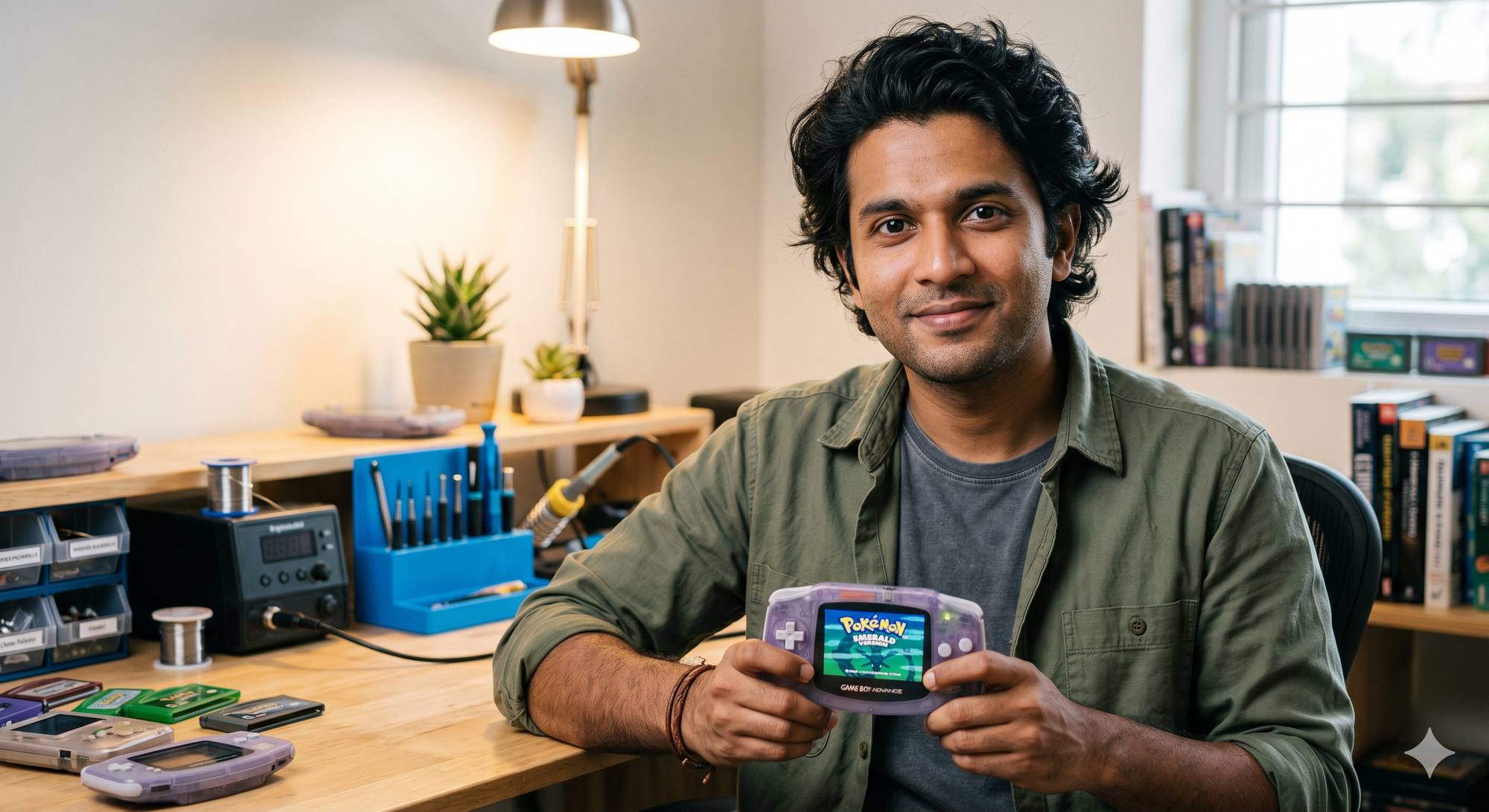
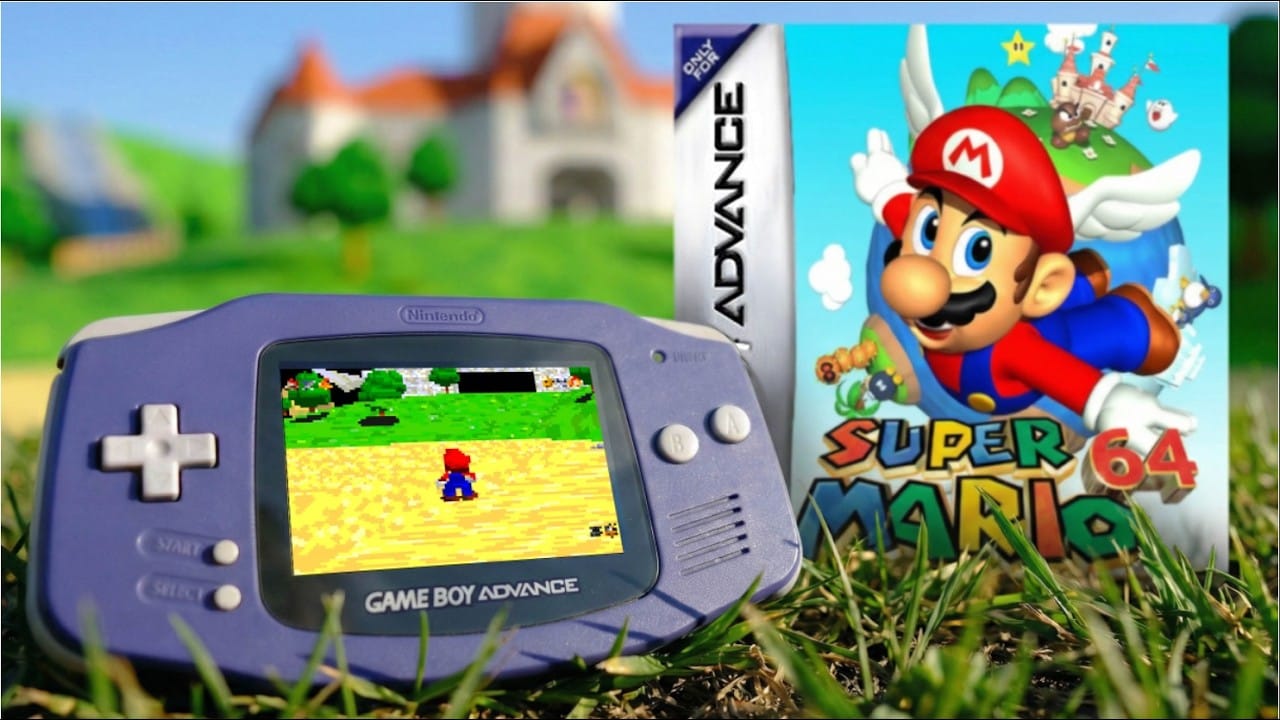
The Game Boy Advance, with its 16.8 MHz ARM7TDMI CPU and unique hardware sprite capabilities, was never designed for complex 3D rendering on the scale of a Nintendo 64 title. Yet, the news from Time Extension confirms a second fan-made port of Super Mario 64 is now running on the handheld, showing the dedication of its homebrew community and the surprising versatility of the GBA's architecture.
This new port follows an earlier attempt that captured attention for pushing the GBA's limits. The Nintendo 64, by contrast, featured a MIPS R4300i CPU clocked at 93.75 MHz and a dedicated Reality Coprocessor for graphics, a stark difference from the GBA's more modest specifications. Adapting a game built for such hardware to the GBA's 256 KB of external WRAM and 32 KB of internal WRAM is a significant technical feat.
The Technical Hurdles of GBA 3D
Creating a playable 3D environment on the GBA presents numerous challenges. The console lacks a dedicated 3D accelerator, relying instead on software rendering and clever use of its Mode 7-like affine transformations for backgrounds. Developers must meticulously optimise every polygon and texture, often resorting to heavy compromises in geometry, texture resolution, and draw distance to maintain a stable frame rate.
The GBA's screen resolution of 240x160 pixels also means that any port must scale down the original N64 visuals significantly. This involves re-engineering assets and game logic to fit within the GBA's memory constraints and processing power. The fact that a second team has managed to achieve this with Super Mario 64 highlights a deep understanding of the GBA's hardware and sophisticated programming techniques.
A Thriving Homebrew Scene
What this hints at, for the scene, is a continued push to redefine the GBA's capabilities. Much like how custom OSD firmwares unlock new display options for IPS retrofit kits, these ambitious ports demonstrate that the hardware still holds untapped potential, even decades after its release. It is a reminder that the GBA's enduring popularity among modders is not just about its form factor or game library, but its capacity for technical exploration.
This kind of project often involves reverse-engineering the original game's code and assets, then painstakingly rewriting them for the target hardware. The effort required is immense, often taking years of work from dedicated individuals or small teams. The GBA homebrew scene has a history of such ambitious projects, from custom operating systems to ports of other classic titles.
What This Means for GBA Enthusiasts
For GBA enthusiasts and modders, the emergence of a second Super Mario 64 port is a clear signal that the platform remains fertile ground for innovation. It encourages further experimentation and shows what can be achieved with enough technical skill and passion. This ongoing development keeps the GBA relevant in the modern retro gaming landscape, alongside newer FPGA-based systems like the Analogue Pocket, which also benefits from a vibrant core development community. These projects ensure the GBA's legacy as a powerful and versatile handheld continues to grow.
If you read this far, you're the audience for Player Clothing: individually numbered, limited-edition retro-gaming t-shirts. One print run per design, then gone.
Follow RetroShell on X for daily retro gaming news. Join the community on r/RetroShell.
Originally published by Time Extension. Read original article.