Game Boy Inspires Classical Violinist's Creative Path
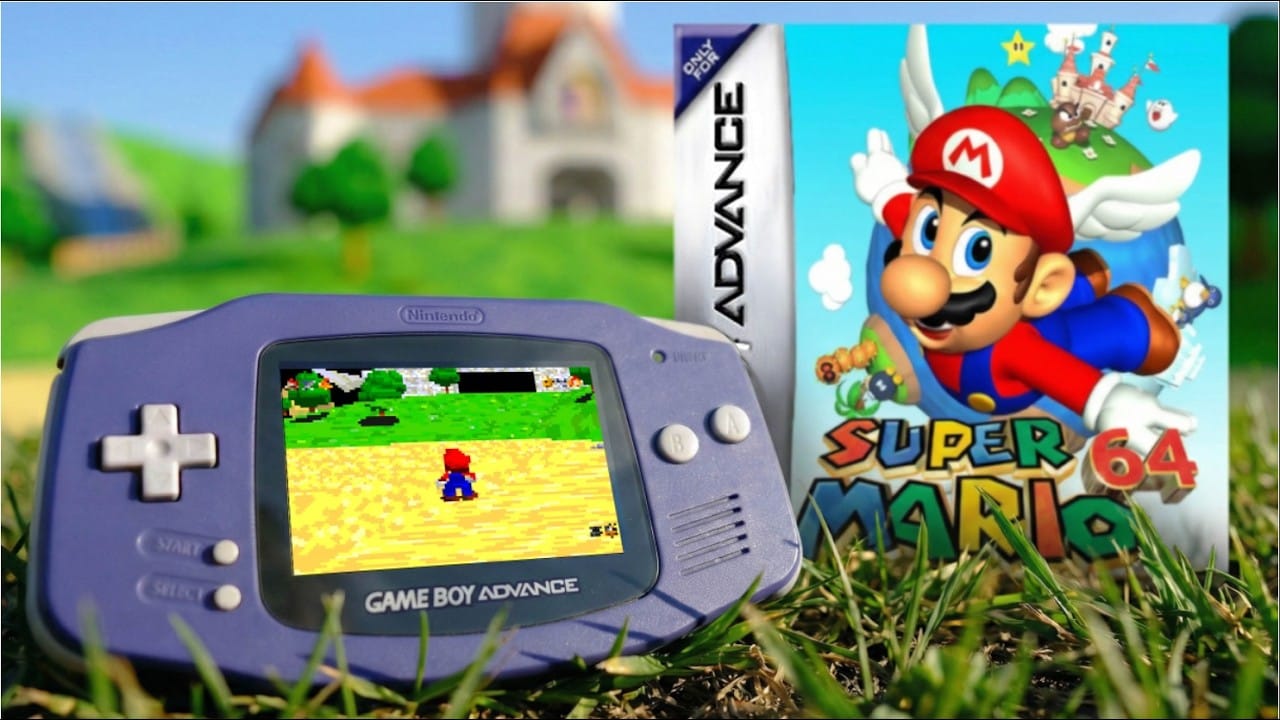
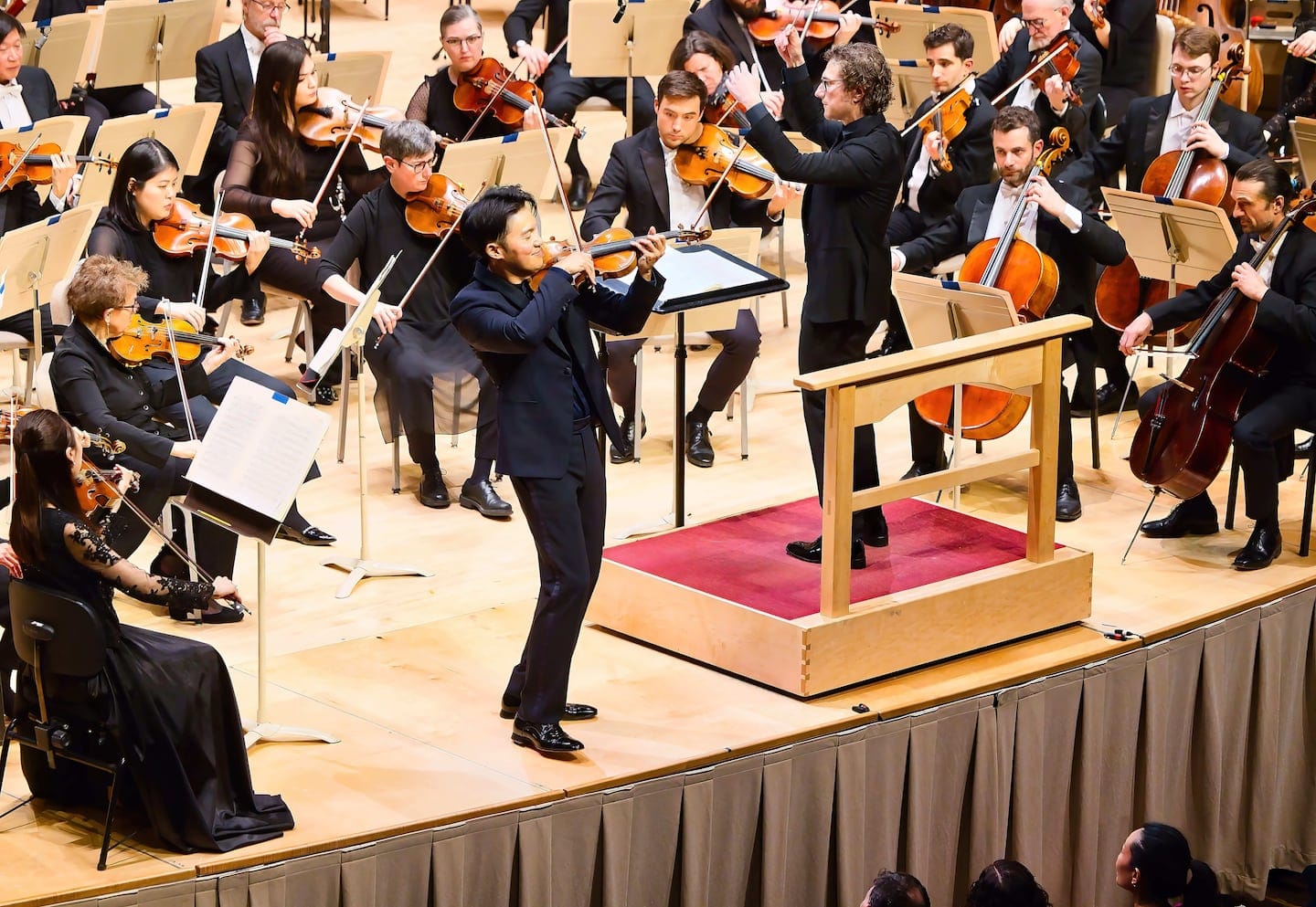
The Boston Globe recently reported on a classical violinist, a prominent figure with over a million followers on Instagram, who cites his childhood Game Boy as a significant source of inspiration. This story underscores the enduring cultural impact of Nintendo's original handheld, a device whose simple yet effective design, powered by a Sharp LR35902 CPU running at 4.19 MHz, continues to resonate far beyond its primary function as a gaming console.
For many, the Game Boy was their first portable gaming experience, offering a focused interaction that modern devices often struggle to replicate. Its monochromatic 160x144 pixel liquid-crystal display, while basic by today's standards, provided a clear canvas for imagination. The console’s robust build quality and impressive battery life, often exceeding 10 hours on four AA batteries, made it a constant companion for a generation.
The Game Boy's Enduring Creative Spark
What this hints at, for the scene, is the profound, often unexpected, ways that retro hardware can shape creative minds. It is not just about playing games; it is about the entire experience, the limitations that foster creativity, and the tactile connection to a piece of technology. The Game Boy's sound chip, for instance, has inspired countless chiptune artists, proving its musical capabilities extend beyond game soundtracks.
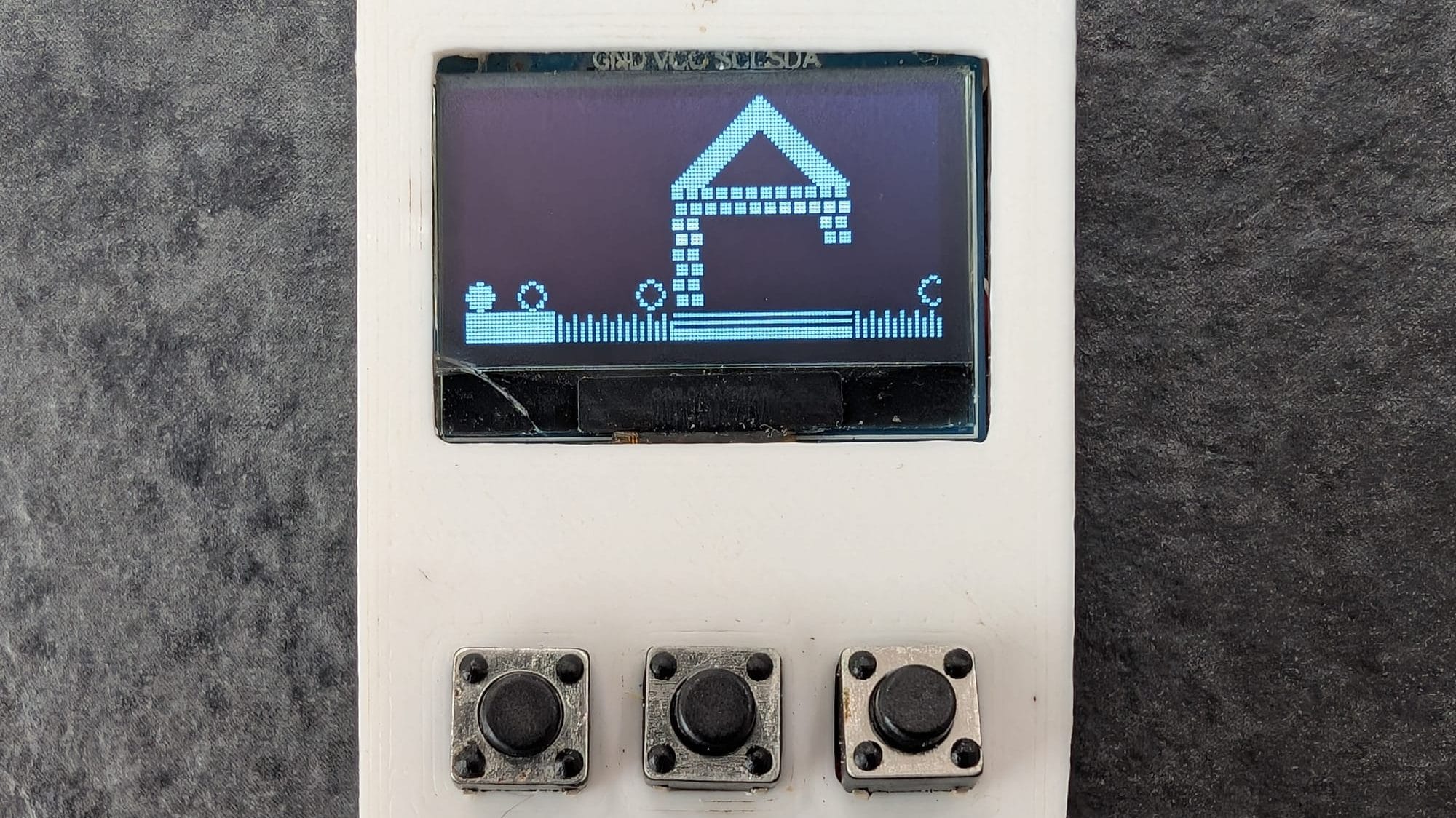
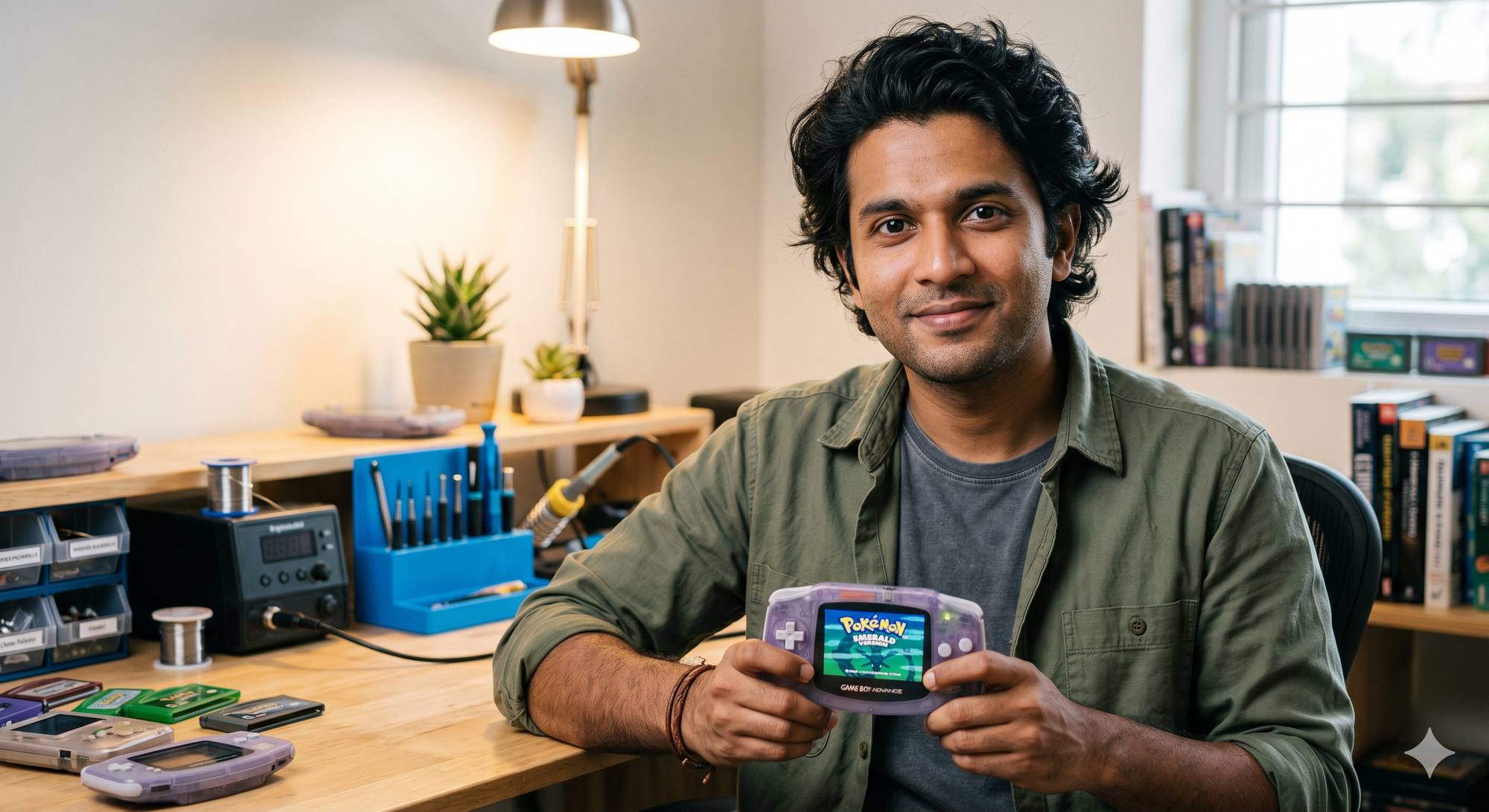
This inspiration is further evident in the thriving Game Boy modding community. Enthusiasts regularly upgrade the original hardware, replacing the dim, reflective screens with modern IPS (In-Plane Switching) panels and installing OSD (On-Screen Display) firmwares for enhanced control. These modifications breathe new life into the 30-year-old hardware, allowing for a clearer, more vibrant experience than the original 1989 unit could ever offer. The ability to customise and improve these devices shows a deep appreciation for their foundational design.
A Legacy of Accessible Hardware
The real story here is how an accessible, mass-produced piece of consumer electronics can become a catalyst for artistic development. The Game Boy was not a niche product; it was a global phenomenon, selling over 118 million units across its various iterations. Its widespread availability meant that many children had access to a personal, interactive device that encouraged problem-solving and engagement.
This legacy continues with devices like the Analogue Pocket, which uses FPGA (Field-Programmable Gate Array) technology to precisely replicate the original Game Boy hardware at a transistor level. Such modern interpretations show a continued desire to experience the purity of these classic systems, acknowledging their role not just in entertainment, but as cultural touchstones that can inspire diverse creative pursuits. The Game Boy’s simple, yet effective, design principles clearly left a lasting impression on this violinist, much as it has on countless others.
RetroShell makes the Nintendo protector set collectors actually reach for — precision-cut, British production, ships worldwide.
Follow RetroShell on X for daily retro gaming news. Join the community on r/RetroShell.
Originally published by The Boston Globe. Read original article.