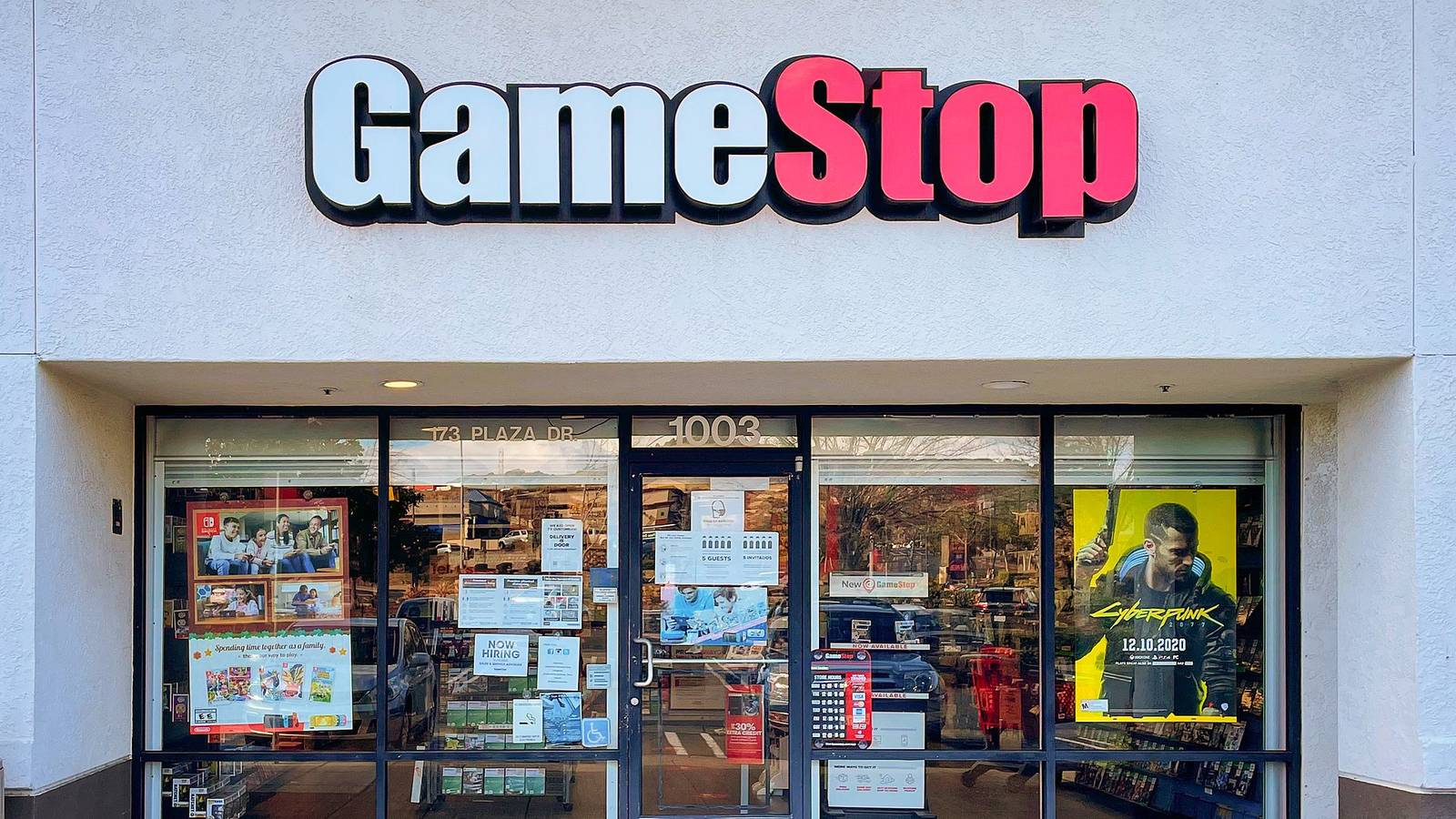
GameStop's eBay Bid: A Market Consolidation Play

The prospect of GameStop, a retailer whose physical footprint has steadily diminished, reportedly acquiring eBay, a platform critical to the global trade of vintage media, presents a curious paradox for the preservation of physical games. A new report from Game Rant, citing sources at the Wall Street Journal, indicates that GameStop is preparing a formal offer to purchase the online auction giant. This potential consolidation could reshape the secondary market, a space where much of retro gaming's material culture finds its continued life.
GameStop's ambition here is considerable. The company, which has experienced a tumultuous decade marked by dramatic stock fluctuations, currently holds a market value of approximately £8.7 billion (USD $11 billion). eBay, by contrast, is valued at around £35.6 billion (USD $45 billion). This disparity suggests an audacious move, one driven by GameStop CEO Ryan Cohen's stated aim to transform the company into a "£79 billion-plus juggernaut" (USD $100 billion-plus).
The Driving Force Behind the Offer
Ryan Cohen's strategy appears to be one of aggressive expansion beyond GameStop's traditional focus on new games and collectibles. He previously informed the Wall Street Journal of his interest in acquisitions within the consumer and retail sectors. This reported bid for eBay aligns directly with that stated intent, aiming to scale GameStop significantly, according to GameStop company overview. It is worth noting that Cohen has a substantial personal incentive; his compensation package includes a potential £27.7 billion (USD $35 billion) if he manages to increase GameStop's market value tenfold or more.
Investors have reacted positively to the news, with shares in both companies rising following the initial report. The offer is expected by the end of May. Should eBay's board reject the proposal, the report suggests Cohen may attempt to take the offer directly to eBay's shareholders, a tactic sometimes employed in hostile takeover attempts.
Implications for Collectors and Physical Media
For the retro gaming community, particularly those involved in collecting physical media, this news carries weight. eBay has long served as a primary conduit for the buying and selling of vintage games, consoles, and accessories, often being the only reliable source for items that have passed out of mainstream retail. A change in ownership, particularly to a company with GameStop's recent history, raises questions about the platform's future direction and its commitment to the diverse, often niche, needs of retro collectors.
GameStop's recent actions have been somewhat contradictory. While the company has reported numerous store closures, it also launched a campaign, "Play really has no limits at GameStop," encouraging the purchase of physical games. This push for physical media, alongside concerns about digital game availability, might seem to align with collector interests. However, the company also drew attention for banning Pokémon Trading Card Game scalpers using scales in its stores, a move that divided opinion within the collecting community.
A Shifting Retail Landscape
The real story here is the broader trend of consolidation within the retail and e-commerce space. While GameStop seeks to acquire, eBay itself has been active on the acquisition front, notably purchasing the online marketplace Depop from Etsy for £945 million (USD $1.2 billion) in February. This indicates a dynamic market where large players are continually adjusting their portfolios.
What this hints at, for the scene, is a potential centralisation of the secondary market. If GameStop were to acquire eBay, it would gain control over a significant portion of the global trade in used goods, including a vast array of retro gaming items. The long-term effects on seller fees, platform policies, and the overall accessibility of vintage hardware and software remain to be seen, but the move signals a notable shift in the commercial infrastructure supporting retro collecting.
RetroShell's Player Clothing drops are short-run and numbered — each shirt is a one-off piece. If the run closes, it's not coming back.
Follow RetroShell on X for daily retro gaming news. Join the community on r/RetroShell.
Originally published by Game Rant. Read original article.