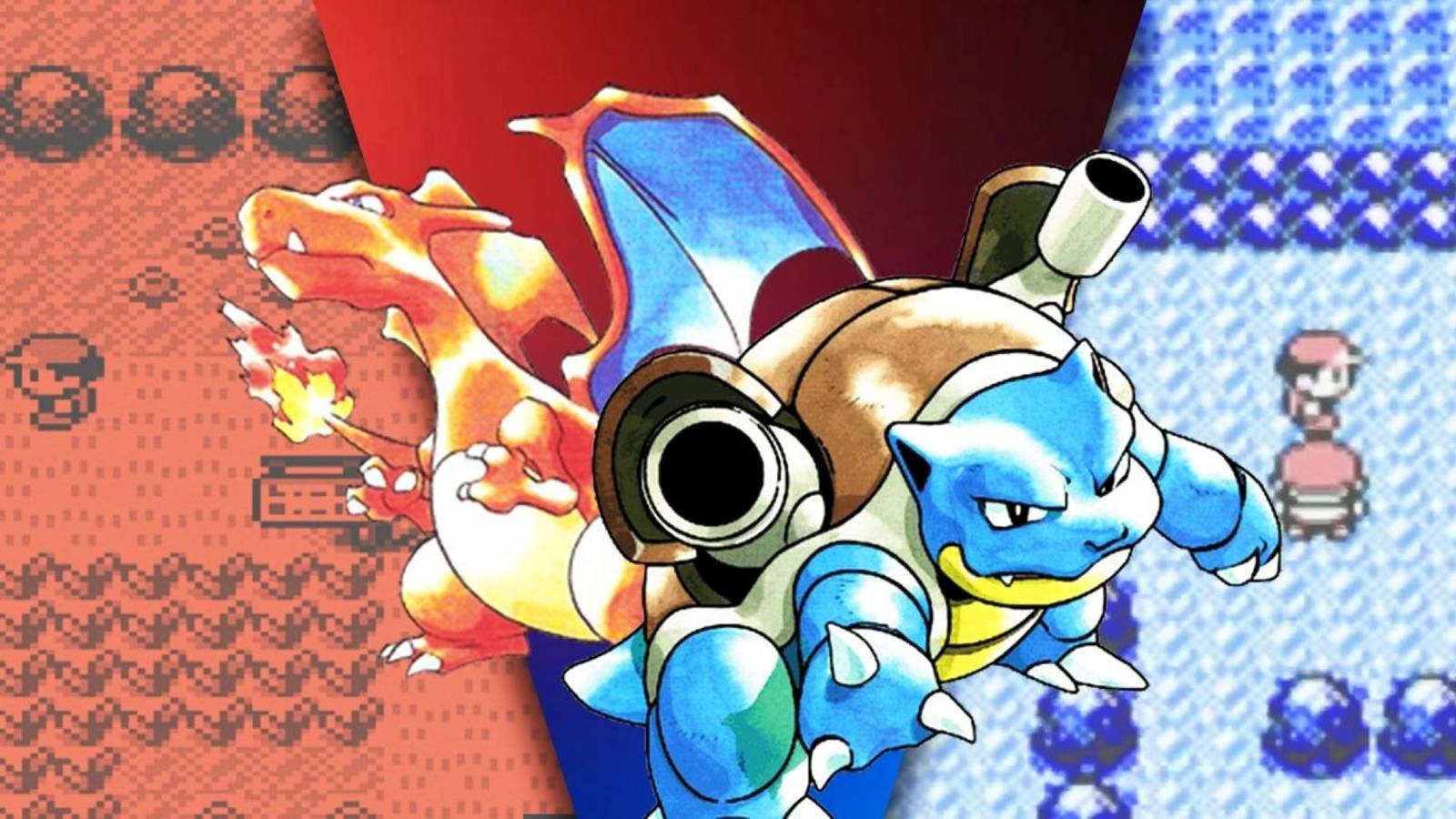
Pokémon Stadium's Enduring Sales Record 26 Years On
The Nintendo 64's Pokémon Stadium, the version released internationally in 2000, remains the highest-selling Pokémon spin-off, moving over 5 million units. This success story is particularly interesting given the original Japanese Pokémon Stadium's technical limitations, which included only a fraction of the 151 Generation I Pokémon being usable in battle and a heavy reliance on the Nintendo 64 Transfer Pak peripheral for a full experience. It shows how Nintendo adapted its strategy for a Western audience, delivering a more complete product than the initial Japanese release, which was hampered by the Nintendo 64 Disk Drive's eventual failure.
CBR Games reports that the initial Pokémon phenomenon in the late 1990s created an insatiable demand. Following the massive success of Pokémon Red and Blue on the Game Boy, Nintendo sought to expand the franchise onto its new home console, the Nintendo 64. The original Japanese Pokémon Stadium launched in August 1998, just over two years after Red and Green debuted on the Game Boy.
The Original Japanese Stadium's Technical Hurdles
This initial Japanese release offered players the chance to see their beloved Pokémon battle in 3D, a significant visual upgrade from the Game Boy's 2D sprites. The game also featured the Nintendo 64 Transfer Pak, a peripheral that connected a Game Boy cartridge to the N64 controller. This allowed players to import their Pokémon from Red and Green directly into the console battles. It even included a feature to play Game Boy Pokémon cartridges on the television, much like the Super Game Boy for the Super Nintendo.
However, the original Pokémon Stadium was a rather shallow experience. Only about a quarter of the 151 Pokémon were actually usable in battle, despite 3D models existing for all of them within other game modes. Many game modes were also locked unless a Game Boy cartridge was connected via the Transfer Pak, making it feel more like an accessory than a standalone title. The Nintendo 64 Disk Drive, or N64DD, was an ambitious peripheral designed to expand the console's capabilities with rewritable magnetic disks, offering larger storage capacity than standard cartridges. An expansion disk for Stadium was planned to add more Pokémon, but the N64DD faced multiple delays and ultimately failed commercially, leading to the expansion's cancellation.
Refining the Formula for International Release
Due to these shortcomings, the original Pokémon Stadium was never released outside Japan. Nintendo instead focused on a sequel, Pokémon Stadium 2 (known as Pokémon Stadium internationally), which launched in Japan in 1999. This version addressed nearly all the criticisms of its predecessor. All 151 Generation I Pokémon were fully usable in battle, a critical improvement for a game centred on combat.
The sequel also introduced the Gym Leader Castle mode, allowing players to challenge all the Gym Leaders, the Elite Four, and the Champion from Red and Green. This provided a substantial single-player experience that did not require a Game Boy cartridge. Furthermore, a suite of nine new mini-games, such as "Clefairy Says" and "Sushi-Go-Round", added considerable replay value and a lighter, more social element to the package. This decision to refine the product for international markets, rather than simply porting the flawed original, was a smart move. It highlights a pragmatic approach to hardware and software integration that Nintendo sometimes struggled with in that era.
North American Launch and Marketing Blitz
When Nintendo decided to bring the Stadium series to North America, they opted to release the improved Japanese Pokémon Stadium 2 under the simplified title Pokémon Stadium. This strategic rebranding ensured that Western audiences received a polished, complete product as their first introduction to console Pokémon battles. The game launched in March 2000, accompanied by an aggressive marketing campaign.
Nintendo released a limited-edition Nintendo 64 bundle, which included the console, two controllers, a Transfer Pak, and a copy of Pokémon Stadium. They also organised the "Pokémon 2000 Stadium Tour", a nationwide event that allowed fans to try the game at malls across the country. This extensive push clearly paid off. By April 2000, just one month after its release, Pokémon Stadium had already sold a million copies in the US.
The Enduring Sales Champion
Ultimately, Pokémon Stadium sold over 5 million units in its lifetime, making it one of the Nintendo 64's best-selling titles. To this day, it holds the record as the best-selling Pokémon spin-off. Its success was followed by Pokémon Stadium 2 (known as Pokémon Stadium Gold & Silver in Japan), which added all 100 Generation II Pokémon and made further incremental improvements.
The Pokémon Stadium series, at its core, was about taking the beloved creatures from their handheld origins and presenting them with a visual fidelity that the Game Boy, with its 160x144 pixel screen and 4-colour palette, could never achieve. The leap from the Game Boy's 2D sprites on a low-resolution, often unlit, monochrome display to fully rendered 3D models on a television was a significant visual upgrade, allowing fans to experience battles in a new, more dynamic way.
Evolution of Console Pokémon Experiences
After the Nintendo 64, Nintendo continued to bring Pokémon experiences to home consoles. The GameCube saw the release of Pokémon Colosseum and Pokémon XD: Gale of Darkness. These titles moved beyond simple battle simulators, offering full-blown RPG campaigns with darker storylines, developed by Genius Sonority. Pokémon Colosseum will soon join XD: Gale of Darkness on the Nintendo Switch Online + Expansion Pack service, making them easily accessible.
The Wii's Pokémon Battle Revolution, however, was seen as a step backwards due to its lack of a story mode, returning to a more pure battle simulation format. The eventual convergence of handheld and home console experiences with the Nintendo Switch effectively ended the need for dedicated console spin-offs like Stadium. This shift, while logical, also means we lose some of the unique technical challenges and creative solutions that arose from bridging two distinct hardware platforms.
A Legacy in Modern Gaming
Today, the main-line Pokémon RPGs, such as Sword and Shield, Scarlet and Violet, and the upcoming Legends: Z-A, are released directly on the Switch. However, the spirit of Pokémon Stadium lives on. The recently released mobile and Switch battle simulator, Pokémon Champions, can be seen as a direct continuation of the Stadium concept, proving that the idea of dedicated battle-focused Pokémon games still resonates.
The original Pokémon Stadium series was a product of its time, designed to liberate the creatures from their rudimentary graphical environments. Its enduring sales record shows the power of visual upgrades and a well-executed marketing strategy. The core appeal of seeing Pokémon battles in a grander, more detailed format continues to be a strong draw for fans, even as the hardware and distribution methods evolve.
Get every story worth reading in one email. Subscribe to the RetroShell newsletter and we'll send it on Monday morning.
Follow RetroShell on X for daily retro gaming news. Join the community on r/RetroShell.
Originally published by CBR Games. Read original article.