Kytor Industries Open Sources 5X-Y-Z SCART Adapter

Kytor Industries has made its 5X-Y-Z SCART adapter design publicly available under a Creative Commons CC BY 4.0 licence, a move that offers a practical solution for those particular about their video signal chain aesthetics and port longevity. This small, passive device, which reorients SCART cables for the RetroTINK 5x, now joins a growing catalogue of community-driven hardware designs. The decision to open source a commercially available product, rather than simply selling it, speaks to a particular ethos within the retro hardware scene, one that prioritises accessibility and long-term utility over proprietary control.
The Adapter's Purpose and Design
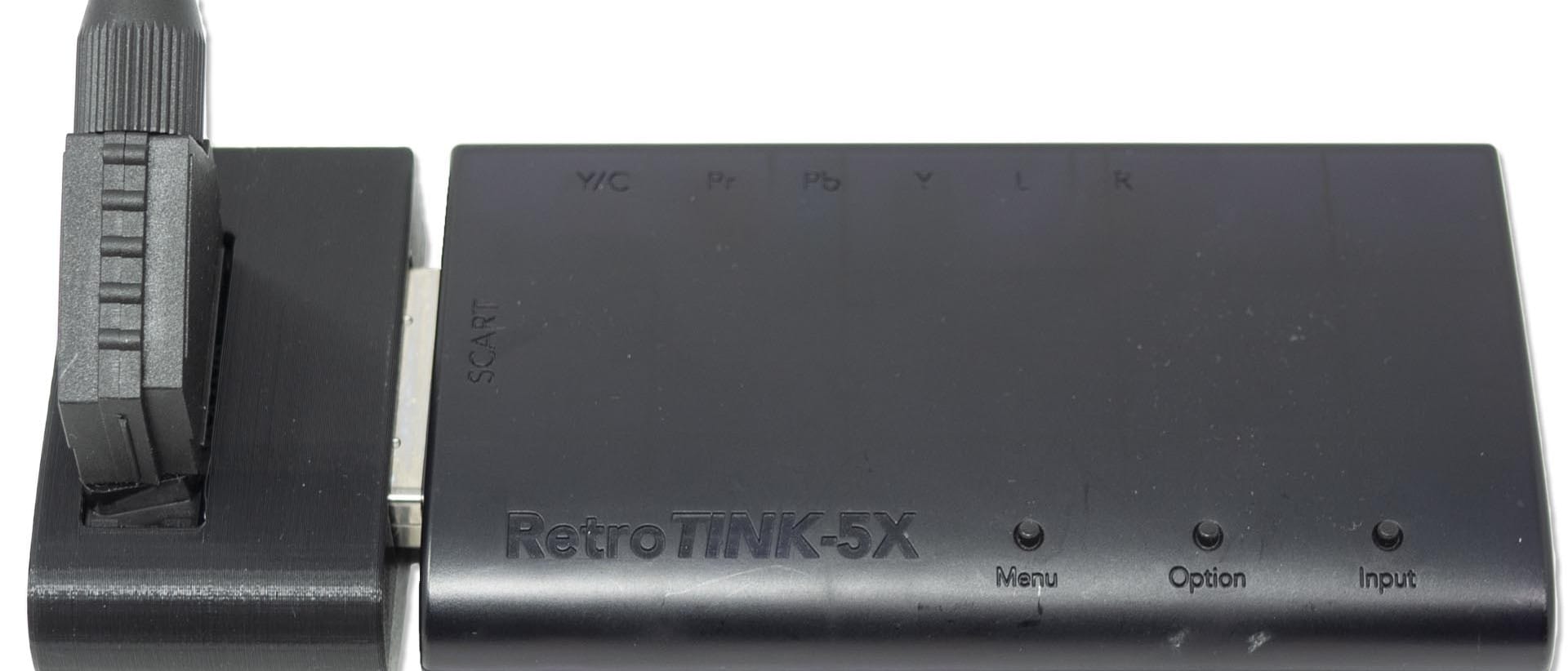
The 5X-Y-Z adapter connects directly to the SCART input on a RetroTINK 5x, changing the orientation of the cable. This allows the cable to route towards the back of the unit, rather than extending outwards. The device features a 3D-printed case with integrated feet, designed to match the height of the RetroTINK 5x. This ensures no undue strain is placed on the upscaler's port.
RetroRGB, in their report, confirmed the adapter's performance. They conducted a standard Super Mario World test, comparing screenshots with and without the adapter in the signal chain. The results showed no discernible interference or signal degradation. This is expected, as the 5X-Y-Z is a passive passthrough device, containing no active circuitry. It supports all SCART signal types, including composite video over SCART.
Open Source: A Practical Consideration
The open-sourcing means enthusiasts can now download the design files from Kytor Industries' GitHub repository and produce their own adapters. For those without access to 3D printing or component sourcing, the adapter remains available for purchase from Kytor Industries for approximately £28. This dual approach offers flexibility, catering to both the DIY community and those who prefer a ready-made solution.
What this hints at, for the scene, is a growing emphasis on hardware modularity and repairability. The RetroRGB article suggests that using such an adapter could help preserve the RetroTINK 5x's integrated SCART port. It is a sensible argument; wearing out a replaceable, user-made adapter's port is certainly preferable to damaging the more complex and expensive upscaler itself. This approach aligns with the broader preservation efforts seen in retro computing, where the longevity of original hardware is a constant concern.
Implications for Hardware Enthusiasts
For many, the primary appeal of the 5X-Y-Z adapter will be aesthetic. A tidier cable routing can make a significant difference in a display setup. However, the open-source nature extends its utility beyond mere appearance. It provides a blueprint for others to learn from, adapt, or even improve upon. This collaborative spirit is a hallmark of the retro gaming hardware community, where shared knowledge often leads to better, more accessible solutions for everyone.
The availability of the design files ensures that even if Kytor Industries were to cease production, the adapter's utility would not be lost. This commitment to open hardware is a quiet but important aspect of digital preservation, ensuring that useful designs persist independently of commercial availability. It is a small piece of hardware, but its open design contributes to the collective knowledge base, a valuable resource for future generations of enthusiasts.
RetroShell also makes museum-grade acrylic game protectors — UK-produced, cast acrylic, sized for every major console generation.
Follow RetroShell on X for daily retro gaming news. Join the community on r/RetroShell.
Originally published by RetroRGB. Read original article.