New Vertical Shoot-'em-up SDO Arrives for Amstrad CPC

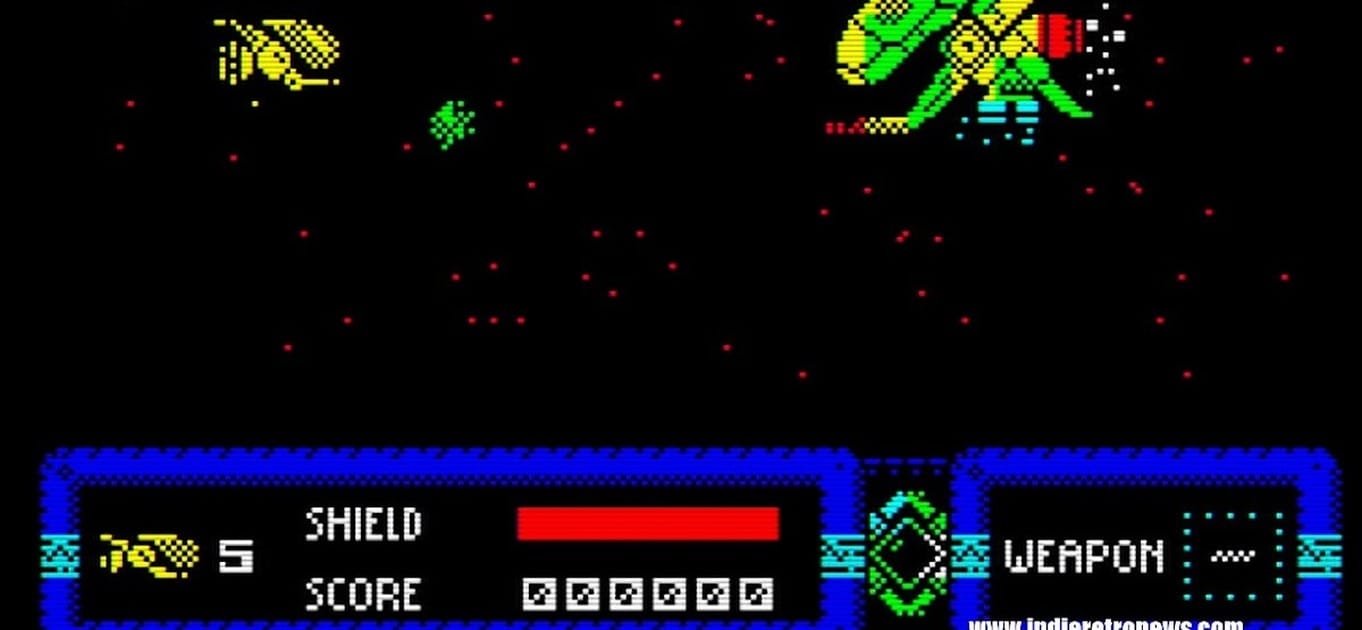
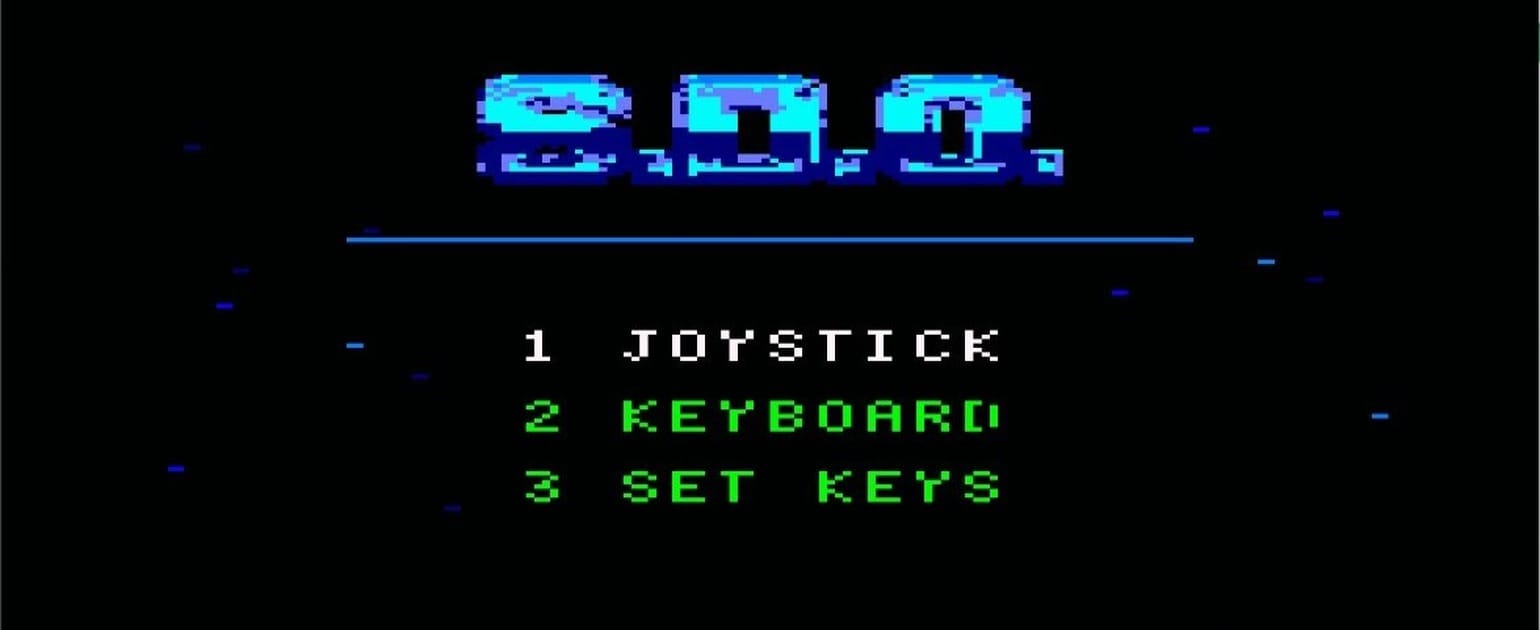
“Star Defense Operation”, or SDO, a new vertical shoot-'em-up from developer xevimet4l, has now arrived for the Amstrad CPC, bringing a fresh wave of arcade-style action to the venerable 8-bit machine. The Amstrad CPC, often seen as the slightly more business-like cousin to the Spectrum in the schoolyard debates of '80s Britain, always had a surprising knack for arcade conversions, even with its 4 MHz Z80 processor, a chip that often required clever programming to push pixels at speed. This new release aims to deliver a fast, smooth experience, even when the screen is full of alien invaders, a technical ambition that would have delighted readers of Amstrad Action back in the day.
The game's design focuses on what xevimet4l describes as a “polished arcade flow”, a phrase that conjures images of coin-op cabinets and endless credits. Players can expect a genuine sense of depth, thanks to the parallax starfields scrolling behind the action, a visual trick that was a hallmark of impressive 8-bit programming. This attention to detail suggests a developer keen to capture the feel of the period's best arcade experiences, rather than simply porting a concept.
Pushing the CPC's Limits
Achieving genuinely fast, vertical scrolling on an 8-bit microcomputer was no small feat, particularly on machines like the CPC where memory access and screen redraws could be bottlenecks. Programmers like Jeff Minter, with his psychedelic Llamasoft titles, or the team behind Elite, David Braben and Ian Bell, were masters of squeezing every last cycle from these machines, creating worlds that felt far larger than the hardware should allow. SDO's stated goal of a smooth experience, even amidst heavy on-screen activity, speaks to a similar dedication to optimisation. This kind of technical ambition was often the subject of intense scrutiny in magazines such as Crash and Zzap!64, where reviewers would dissect how well a game managed its sprites and scrolling, particularly when comparing arcade conversions.
What this hints at, for the Amstrad scene, is a continued drive to push the boundaries of what these machines can do, rather than simply recreating past glories. It is a proof of the enduring appeal of the CPC that developers are still crafting new experiences which challenge its technical limits, much as the original coders did in the mid-1980s. The real story here is not just a new game, but the ongoing vitality of a platform many might consider long dormant.
A Legacy of Arcade Action
The Amstrad CPC had a strong, if sometimes overlooked, history with arcade conversions and original shoot-'em-ups. Titles like Ocean's Gryzor or Imagine's R-Type conversions, while often compromised from their arcade originals, still offered thrilling blasts of action that kept many a teenager glued to their green-screen monitor. The challenge was always to balance colour, speed, and sprite count, a juggling act that separated the truly skilled programmers from the rest. SDO joins a proud lineage of games trying to master this balance.
As the Amstrad CPC homebrew scene continues to thrive, releases like SDO demonstrate that there is still plenty of life left in these old machines. It offers a chance for both long-time enthusiasts and new players to experience what a dedicated programmer can achieve with period hardware, proving that the spirit of 8-bit innovation is far from over. We look forward to seeing how xevimet4l's creation is received by the community, as reported by Indie Retro News.
Prefer your retro news in one weekly dose? The RetroShell Substack ships on Mondays, curated by the same people who write the site.
Follow RetroShell on X for daily retro gaming news. Join the community on r/RetroShell.
Originally published by Indie Retro News. Read original article.