Palace Software's Lost Barbarian 3 Design Document Surfaces

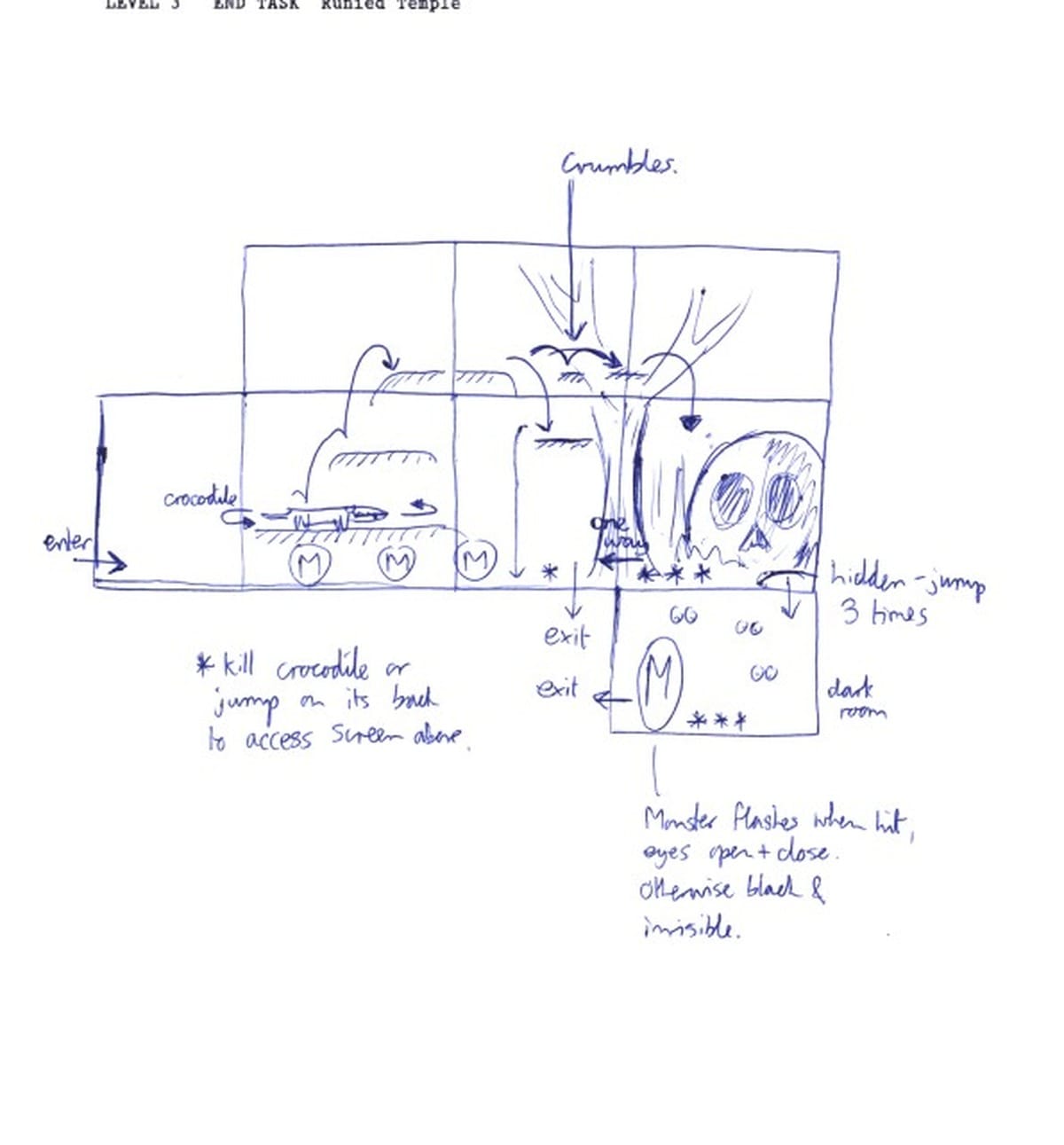
A fascinating piece of British computing history has recently emerged, with Games That Werent publishing scans of the long-lost design document for Palace Software's ambitious, and ultimately unreleased, Super Barbarian / Barbarian 3. This detailed insight into the creative process of one of the UK's more distinctive publishers, known for its striking box art and often brutal gameplay, dates from around 1991, a period when the Amiga and Atari ST were truly establishing their dominance in European homes.
The document, generously shared by Dave Arcadian, lays out extensive plans for levels and gameplay. It offers a window into the potential third instalment of the Barbarian series, following on from the original 1987 release and its 1988 sequel. Palace Software, a London-based company, had a knack for producing memorable, if sometimes controversial, titles that captured the imagination of players across the continent.
Unearthing Palace Software's Lost Plans
The newly available scans on the Games That Werent website reveal a comprehensive vision for Super Barbarian / Barbarian 3. They detail enemy types, level layouts, and proposed mechanics, painting a picture of a game that aimed to expand upon its predecessors, according to Barbarian series. For enthusiasts of British microcomputer history, such documents are invaluable, providing concrete evidence of projects that never saw the light of day.
What this hints at, for the scene, is how precarious game development could be in that period, even for established names like Palace. The transition from 8-bit machines like the Commodore 64 and ZX Spectrum to the more powerful 16-bit Amiga and ST was a challenging one, demanding new approaches to design and programming. Many ambitious projects, like this one, simply never made it to retail shelves, often due to financial pressures or shifting market trends.
A Glimpse into 1991's Development
Palace Software was a significant player in the British games industry, particularly known for its horror-themed releases and the Barbarian series, which famously featured bodybuilder Michael Van Wijk on its covers. The year 1991, just after the Gulf War and before the widespread adoption of CD-ROM drives for gaming, was a time of rapid change. Developers were pushing the boundaries of what was possible on the 16-bit machines, creating more complex worlds and deeper gameplay experiences.
This design document shows the meticulous planning that went into such titles, a far cry from the often more ad-hoc development cycles of the earlier 8-bit era. It highlights the structured approach required to manage a project of this scale, even if the final programme was never completed. The effort put into these plans underscores the ambition of British developers at the time.
The Enduring Value of Design Documents
The preservation of materials like the Super Barbarian / Barbarian 3 design document is critical for understanding the full story of game development. It allows us to appreciate the creative processes, the technical challenges, and the sheer volume of work that went into producing games in the late 1980s and early 1990s. These documents are more than just curiosities; they are primary sources for historians and fans alike.
This find, made public through Games That Werent, adds another layer to the narrative of British software houses. It reminds us of the many unfulfilled visions and the talent that shaped the industry, even for games that remained forever in the planning stages. Such discoveries continue to enrich our collective knowledge of this vibrant period in computing history.
RetroShell also makes the Atari protectors collectors have been asking for. Thick cast acrylic, no yellowing, fits 2600 and 7800 cart boxes without forcing.
Follow RetroShell on X for daily retro gaming news. Join the community on r/RetroShell.
Originally published by Games That Werent. Read original article.