Roblox 'Steal a Brainrot' Raises Concerns in Japan

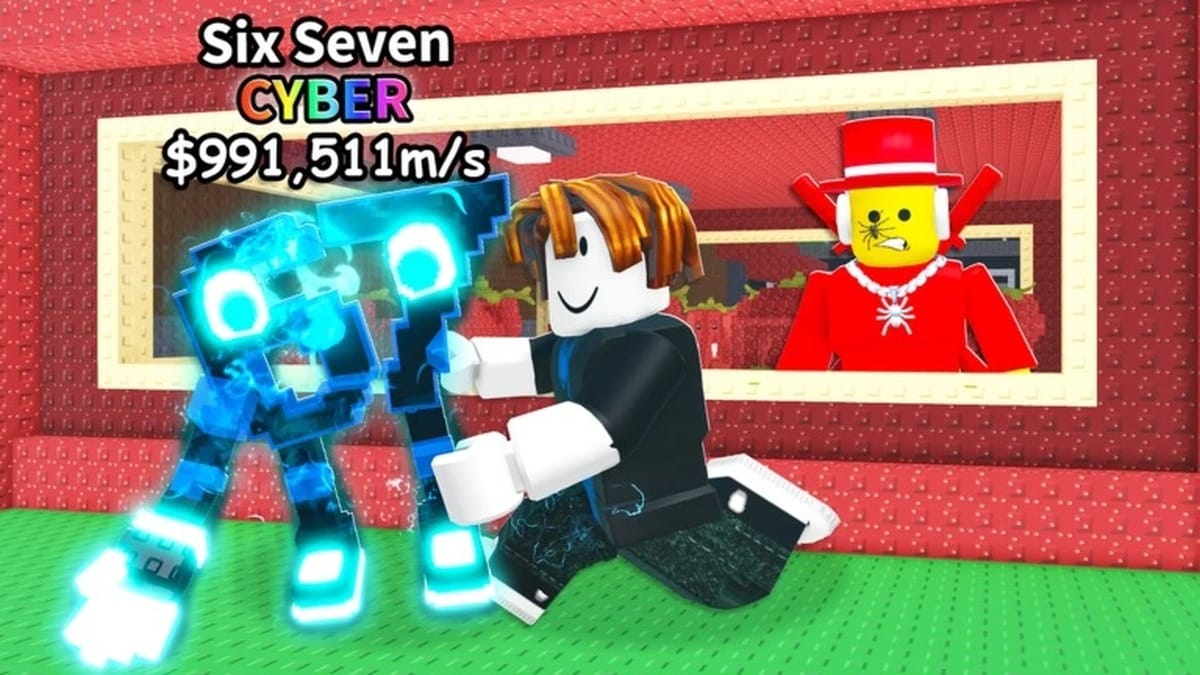
The popularity of "Steal a Brainrot", a mini-game within the Roblox platform, among Japanese children has prompted significant concern regarding its real-world impact. Reports from Automaton Media, citing Asahi Shimbun's AERA with Kids magazine, detail escalating conflicts, sleep deprivation, and financial issues stemming from the game. The digital playgrounds of today, with their often opaque economies and constant engagement loops, present a distinct set of challenges compared to the more contained experiences of earlier console generations.
The "Brainrot" meme content, featuring AI-generated characters and catchy, nonsensical phrases, has seen a rapid spread across platforms like TikTok and YouTube in Japan. This cultural phenomenon has moved beyond niche internet circles, becoming a top buzzword among elementary schoolchildren. The demand is such that Kadokawa, a major Japanese publisher, has even announced official children's encyclopaedias dedicated to these Brainrot characters.
The Digital Playground's Real-World Echoes
However, the widespread adoption of the Brainrot meme and the subsequent popularity of "Steal a Brainrot" on Roblox have led to tangible problems for elementary and middle schoolers. Conflicts among students have reportedly escalated beyond simple in-game item theft and online bullying. They now include verbal abuse and physical altercations on school grounds, with one concerning incident involving a child nearly pushed down stairs following an in-game dispute, as reported in AERA's interviews with parents.
Beyond interpersonal conflict, the timing of international game events poses another significant issue. These events often occur at 3:00 or 4:00 AM Japan time, leading to severe sleep deprivation as children stay up through the night to participate. This disruption to sleep patterns naturally affects their daily lives and school performance, a consequence that extends far beyond the virtual world.
Monetisation and the Shifting Ethics of Play
Financial concerns have also surfaced, particularly among older students. Rare in-game items are reportedly being traded or sold among children via payment applications, sometimes for thousands of yen. This introduces a layer of real-world monetary transaction into childhood play, a practice that can be difficult for parents to monitor or understand fully.
Online reactions to these issues suggest a divided perspective. Some users argue that similar conflicts have always been a part of competitive play, even dating back to the Famicom era. Others contend that the real problem lies in how children's sense of ethics is shaped in the modern age, rather than with any specific game itself. The real story here is not merely the existence of conflict, which as some users suggest, has always been a component of competitive play. Rather, it is the amplification of these issues by always-online platforms and their sophisticated monetisation strategies, a dynamic largely absent from the Famicom era's more finite game experiences.
Many observers believe that modern factors are indeed amplifying these problems. Always-online platforms like Roblox, with their aggressive monetisation systems and frequent limited-time events, are cited as key contributors. As one user observed, "New items, new gear, microtransaction after microtransaction … of course problems will happen," suggesting these mechanics can intensify addiction and in-game tension among younger players.
Parental Distrust and Future Oversight
Parents are increasingly expressing specific concern about Roblox, with many describing a growing sense of distrust toward the platform. The sentiment is that it is becoming harder for parents to know who their children are interacting with, what activities they are engaged in, and at what times. This lack of transparency, coupled with the platform's design, creates a challenging environment for parental oversight.
The situation highlights a broader societal challenge: how to navigate the evolving nature of digital play, particularly for younger audiences. As platforms become more complex and integrated into daily life, the need for clear guidelines, transparent monetisation practices, and effective parental controls becomes ever more critical. The long-term implications for children's well-being and the ethics of digital engagement warrant continued scrutiny from educators, parents, and platform developers alike.
Prefer your retro news in one weekly dose? The RetroShell Substack ships on Mondays, curated by the same people who write the site.
Follow RetroShell on X for daily retro gaming news. Join the community on r/RetroShell.
Originally published by Automaton Media. Read original article.