Randy Pitchford's AI 'Selfie' Sparks Industry Discussion

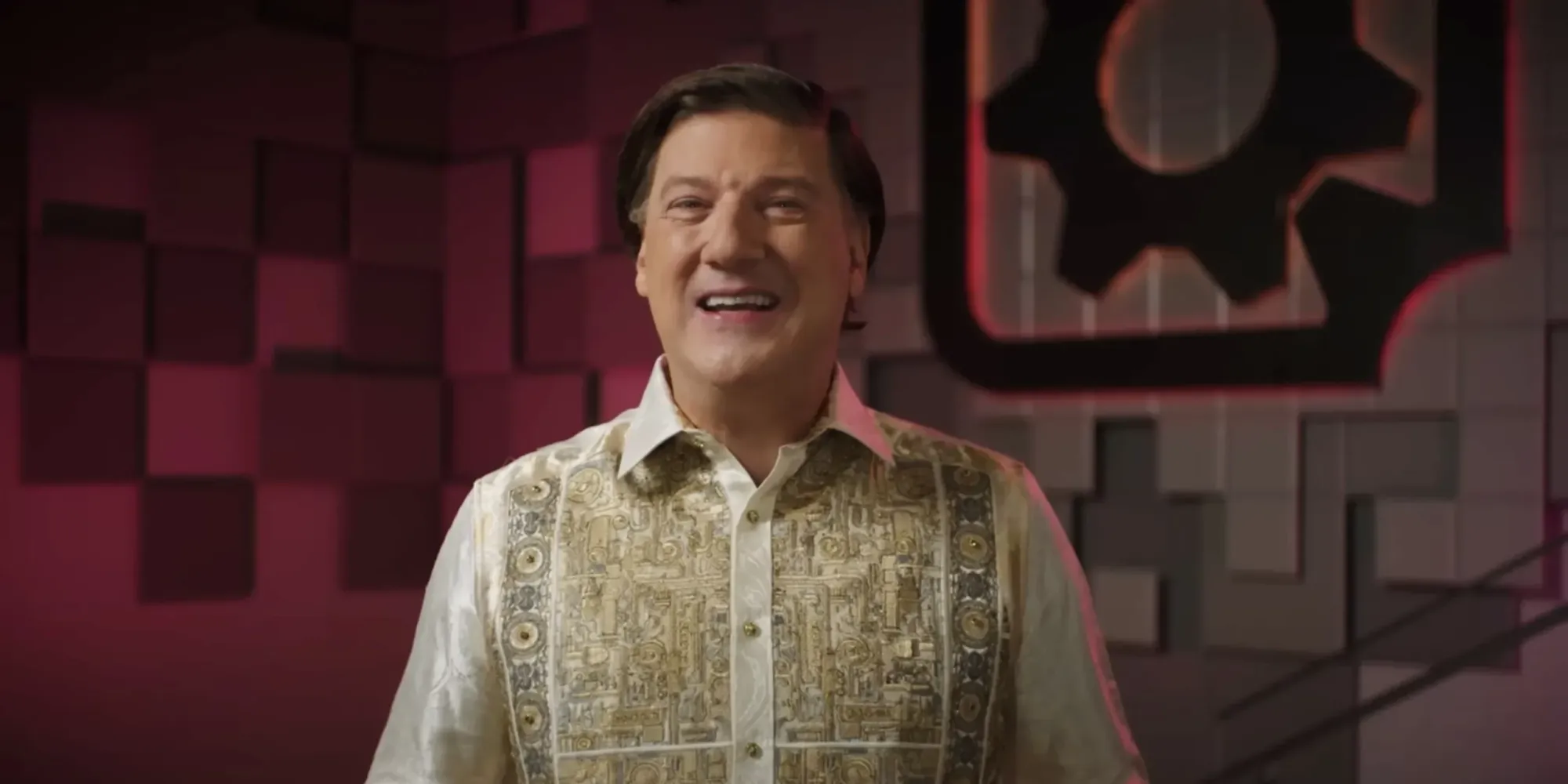
Randy Pitchford, the chief executive of Gearbox Entertainment, recently shared an artificial intelligence-generated image on social media, describing it as a 'selfie' from his 'primary AI tool.' This kind of predictable online reaction to a prominent figure's casual use of generative AI is, by now, not entirely unexpected, given the ongoing, often heated, discussions surrounding creative labour and automation.
The image itself bore little resemblance to Pitchford, and if not for references to Gearbox and Borderlands, its connection to gaming would be tenuous. Curiously, it contained background text on a whiteboard that, despite Pitchford's disclaimer, hinted at a 'new IP' and 'Borderlands 4'.
Pitchford expressed surprise at the negative reception, suggesting users should view the post as merely 'silly and fun.' This stance, however, did little to quell the immediate backlash from a community already wary of AI's encroaching presence in creative fields.
The Community's Reaction and Corporate Stance
Many users interpreted the post as tone-deaf, with some raising anxieties about AI's potential to reduce headcount and cut costs in game development. When one user suggested executives use AI for such purposes, Pitchford responded directly, stating, 'Don’t make this something it isn’t. It’s just a dumb, silly thing.'
He also defended Gearbox against accusations of using AI for Borderlands 4 patch notes. Pitchford clarified Gearbox's official policy, stating, 'Our policy is that we do not use AI for anything in any professional capacity that any customer could ever see.'
Reading Between the Lines of AI Policy
The phrasing 'that any customer could ever see' is a critical detail, one often overlooked in the heat of online debate. It suggests that while customer-facing content is strictly human-generated, AI tools might well be employed internally for tasks not directly visible to the end-user. This could include preliminary asset generation, internal documentation, or even code analysis, all of which would then undergo significant human revision and approval. This distinction is often lost in public discourse, yet it represents a key area of contention for creative professionals concerned about the erosion of their roles. The real story here is not just Pitchford's personal social media misstep, but the subtle articulation of a corporate AI policy that leaves considerable room for interpretation regarding internal development processes.
Broader Industry Implications
The incident, reported by Insider Gaming, highlights the ongoing tension surrounding generative AI within the games industry. This is a sector grappling with its potential benefits and perceived threats to creative roles. Companies are navigating public perception carefully, particularly as discussions around intellectual property rights and artist compensation continue to evolve.
This situation serves as a minor, yet illustrative, example of how even casual engagements with AI by prominent figures can quickly become a flashpoint for wider industry anxieties. As game development studios increasingly explore AI integration, clear and transparent communication about its application will become ever more critical. The public, particularly the dedicated player base, remains acutely sensitive to how these technologies might impact the authenticity and human effort behind their favoured titles. This episode, while perhaps intended as light-hearted, underscores the need for careful consideration in all public statements regarding AI.
Get every story worth reading in one email. Subscribe to the RetroShell newsletter and we'll send it on Monday morning.
Follow RetroShell on X for daily retro gaming news. Join the community on r/RetroShell.
Originally published by Insider Gaming. Read original article.