Nostalgia Drives Retro Gaming Market Share

The retro gaming market is not just holding steady; it is expanding, fueled by a powerful wave of nostalgia. This isn't just about old games; it's about big money, with remakes and re-releases commanding significant sales figures. The rapid sell-out and subsequent scalping of Nintendo's NES Classic Edition on platforms like eBay showed a clear demand for official retro hardware, a trend that continues to shape collector behavior.
ComicBook.com/gaming reports that this market share is growing, showing no signs of cooling down. The industry is tapping into decades-old properties, turning them into new revenue streams. This strategy moves beyond simple re-releases, focusing on full remakes that modernize the experience for new audiences while appealing to veteran players.
Remakes and Remasters: New Money from Old Games
Look at Square Enix's Final Fantasy VII Remake. This game was a long-requested title, and its 2020 release, along with its enhanced versions, sold nearly 9 million copies. That's a massive number for a title based on a 1997 PlayStation game. It shows the power of a well-executed remake to generate new interest and significant profit.
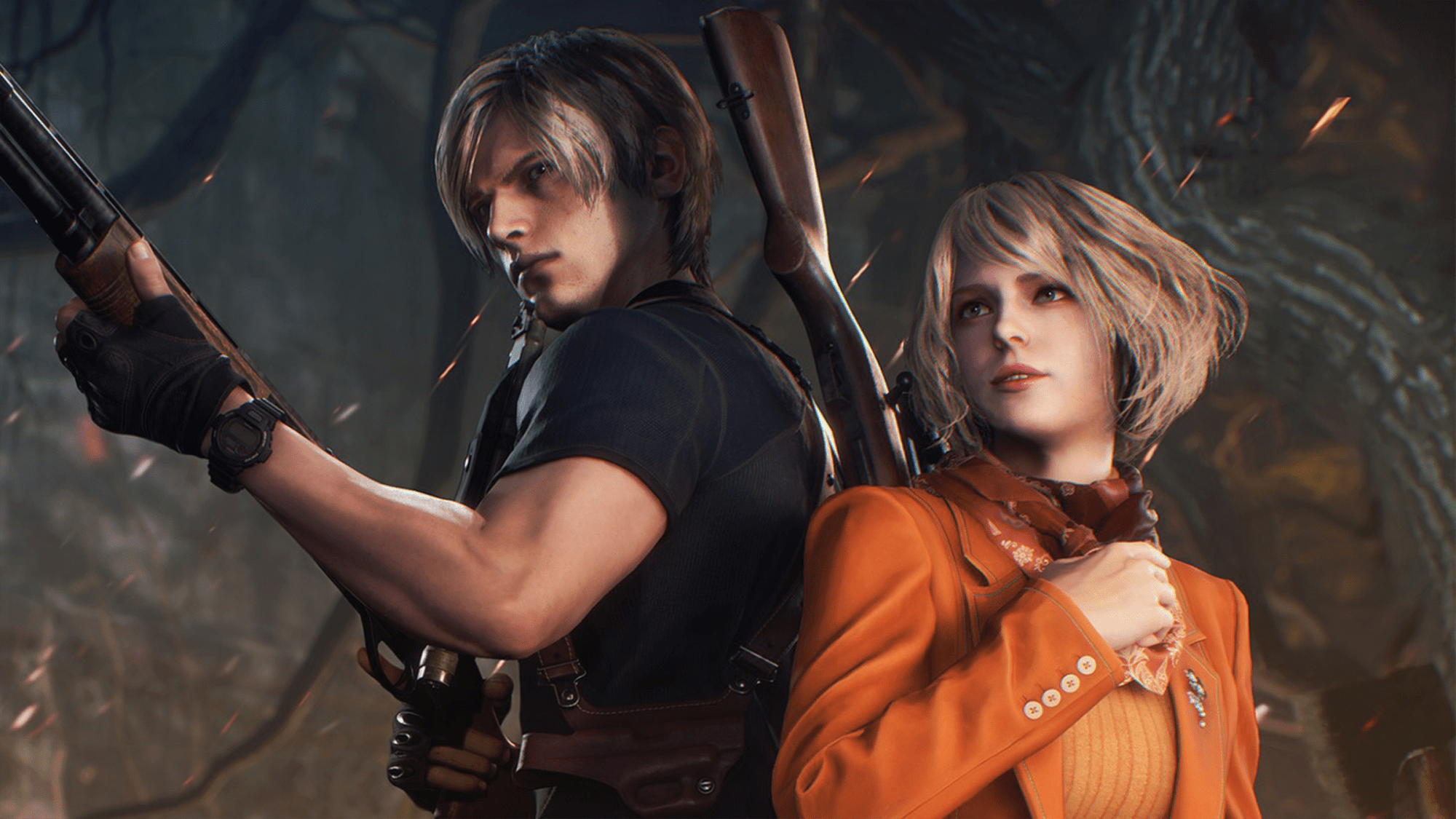
Capcom has also mastered this approach with its Resident Evil franchise. They released Resident Evil 2 in 2019, Resident Evil 3 in 2020, and Resident Evil 4 in 2023. These aren't just quick ports; they are ground-up rebuilds. Capcom even released a remake of the original Resident Evil back in 2002, later bundling 2, 3, and 4 into a Resident Evil Remake Trilogy in 2024. These titles are consistent best-sellers, proving that modernizing classic experiences pays off.
The Mini Console Boom and Market Impact
Beyond software, hardware also plays a role in this nostalgia economy. Nintendo led the charge with its NES Classic Edition, a miniature version of the original Nintendo Entertainment System. These units sold out almost instantly, creating a secondary market where prices soared well above retail. This behavior, where a new, cheaper iteration of a console commands inflated prices due to demand, highlights the complex dynamics of the collector market.
Other companies have followed suit. Plaion Replai recently partnered with SNK to release the Neo Geo AES+, a new version of the 1991 home console. The original Neo Geo AES was a niche, high-priced system, and this new iteration aims to capture that same collector appeal. The source expects it to sell quickly, much like its predecessors in the mini console space.
What This Means for Original Hardware Values
The real story here is how these modern re-releases, while not directly competing with original hardware, still influence the collector market. A clean, complete-in-box (CIB) copy of Final Fantasy VII on PlayStation might not see its value drop because of the remake. Instead, the remake often introduces new players to the franchise, potentially boosting interest in the original over time. This can drive up demand for well-preserved copies, especially those with minimal label damage or manual foxing.
However, the impact isn't always straightforward. The NES Classic, for example, didn't significantly depress prices for original NES consoles. Instead, it created a separate, parallel market for official, smaller versions. This suggests that collectors often seek both the original experience and the novelty of new, officially licensed retro hardware. The market for a pristine TurboGrafx-16 (known as the PC Engine in Europe and Japan) remains distinct from any potential modern re-release, with values anchored in scarcity and condition.
The Collector's Take on Nostalgia
This trend shows no signs of slowing. As generations age and gain more disposable income, they will continue to seek out the games and systems they grew up with. This includes everything from full-scale arcade cabinet reproductions to enhanced versions of games less than a decade old, like the rumored Red Dead Redemption 2 remake. The market for original, graded games, like those certified by WATA or VGA, will likely continue to thrive alongside these new offerings. The demand for a truly clean, CIB Nintendo 64 title, for instance, is driven by a different kind of collector than someone buying a modern remake.
This sustained interest ensures that developers will keep remaking and re-releasing beloved titles. The constant flow of new retro-inspired products and remakes keeps the entire retro gaming ecosystem active, from the casual player to the serious collector tracking sold listings for rare variants.
If those carts deserve shelf time, they deserve protection. Browse the Nintendo range at shop.retroshell.com — NES through GameCube, all UK-made.
Follow RetroShell on X for daily retro gaming news. Join the community on r/RetroShell.
Originally published by ComicBook Gaming. Read original article.