MiSTer FPGA Cores Gain RetroAchievements Support

The MiSTer FPGA platform has seen a notable advancement with the integration of RetroAchievements support into several of its core implementations. This development, spearheaded by developer Odelo, allows users to unlock achievements on a range of classic systems, a feature previously confined largely to software emulators like RetroArch. The integration of RetroAchievements directly into MiSTer's hardware-level FPGA cores marks a significant technical hurdle overcome, moving beyond typical software emulator hooks and offering a new dimension to playing on these precise recreations.
Odelo has forked a number of existing MiSTer FPGA cores to facilitate this functionality. These modified cores are now available for download and cover a substantial library of retro platforms. Supported systems include the Nintendo Entertainment System (NES), Super Nintendo Entertainment System (SNES), Sega Genesis / Mega Drive, Master System, Game Gear, Game Boy, Game Boy Color, Nintendo 64 (N64), Sony PlayStation (PSX), and Neo Geo.
Crucially, the current implementation supports only 'softcore' achievements. This means that while players can earn achievements, they retain access to features such as save states and other modern quality-of-life enhancements. The more stringent 'hardcore' mode, which typically disables these conveniences for a more authentic and challenging experience, is not yet available within these MiSTer cores.
Bringing Achievements to Hardware Accuracy
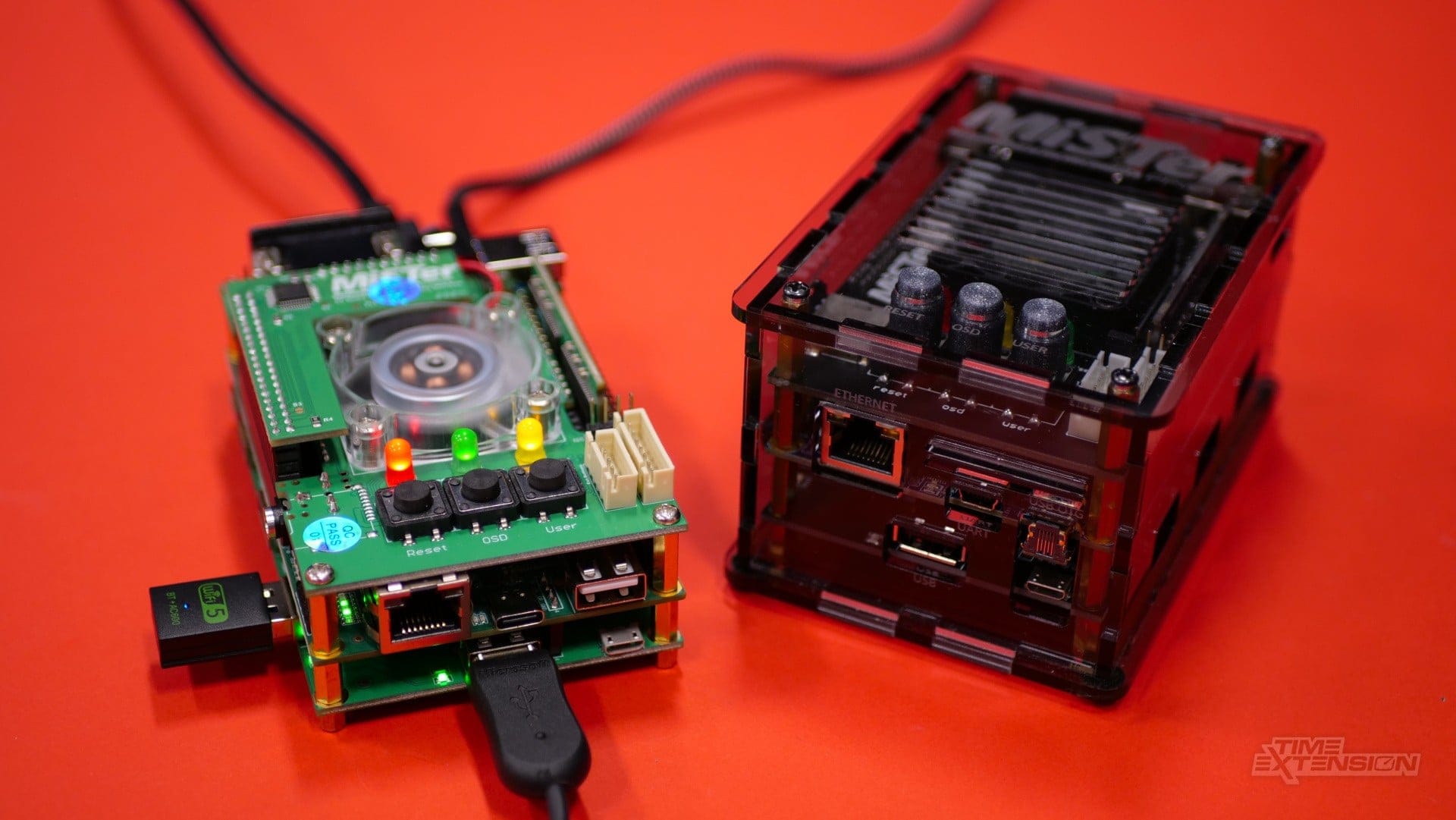
The MiSTer FPGA project aims to provide highly accurate, hardware-level recreations of classic console and arcade systems through a Field-Programmable Gate Array. Unlike software emulation, which simulates hardware behaviour, FPGA designs reconfigure physical silicon to mimic the original system's logic gates. This approach offers extremely low latency and high fidelity, often considered the gold standard for retro gaming preservation and play. The addition of RetroAchievements, a community-driven service that adds achievement tracking similar to modern consoles, enhances the appeal of these accurate recreations by adding a layer of gamification.
What This Means for MiSTer Users
For dedicated MiSTer users, this update represents a significant expansion of the platform's capabilities. Previously, those who prioritised FPGA accuracy had to forgo the achievement tracking available on software emulators. Now, they can enjoy the best of both worlds: the precise hardware recreation of their favourite systems combined with the challenge and community engagement of RetroAchievements. It is worth noting that the source, Time Extension, highlights RetroAchievements as a "big part of your gaming lifestyle these days" for many, underscoring the demand for this feature on high-fidelity platforms.
The Softcore vs. Hardcore Distinction
The current limitation to 'softcore' achievements is a technical detail that will likely be a point of discussion within the community. 'Hardcore' mode in RetroAchievements is designed to enforce a stricter, more authentic play experience by disabling features like save states, fast-forward, and rewind. Integrating this level of restriction into an FPGA core, which operates at a very low level, presents a different set of challenges compared to a software emulator. The real story here is the technical achievement of integrating a dynamic, online service like RetroAchievements with the fixed logic of an FPGA core, which typically operates with minimal overhead. This initial 'softcore' implementation paves the way for potential future advancements.
Looking Ahead for FPGA Achievements
This initial release by Odelo is a promising step for the MiSTer community and for FPGA-based retro gaming in general. While 'hardcore' mode remains a future aspiration, the current support for 'softcore' achievements already adds considerable value. It demonstrates the flexibility and ongoing development potential of the MiSTer platform, continually bridging the gap between hardware accuracy and modern gaming conveniences. Users interested in trying this can download the supported cores from the provided link in the Time Extension article.
Follow RetroShell on X for daily retro gaming news. Join the community on r/RetroShell.