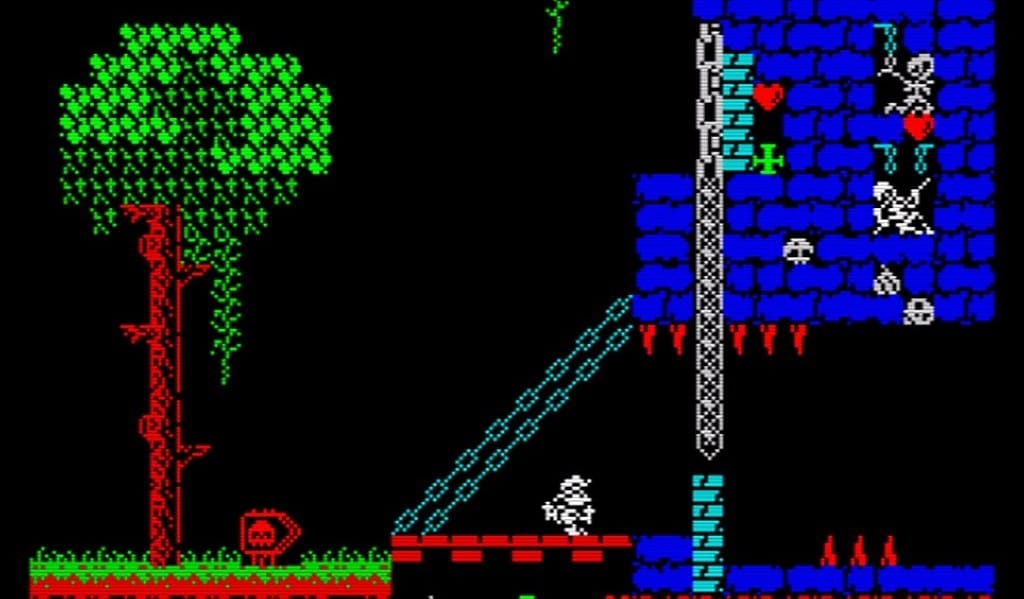
Max Stone Two Arrives for ZX Spectrum

A new adventure has arrived for the venerable ZX Spectrum, a machine that once dominated British sitting rooms, with the release of Max Stone DOS Max Stone Two: In the Count’s Castle. This homebrew sequel, developed by Flopping, brings a fresh challenge to the 8-bit platform, notably pushing the AY-3-8912 sound chip to its very limits, a feat that would have had Crash magazine's reviewers in a spin back in the day.
The game, subtitled In the Count’s Castle, is available now and continues the story from the original Max Stone title. Flopping has crafted an experience that aims to blend classic platforming action with modern homebrew sensibilities, ensuring it feels both familiar and fresh to players who grew up with the rubber-keyed wonder.
A New Challenge for the Speccy
Players can choose between two distinct difficulty settings: a more forgiving Easy mode or a demanding Hard setting. This approach allows both newcomers to the Spectrum's particular brand of unforgiving gameplay and seasoned veterans, perhaps those who mastered Matthew Smith's Manic Miner back in 1983, to find a suitable level of challenge. The game aims for a blend of engaging puzzles and precise platforming.
What this hints at, for the scene, is a growing sophistication in homebrew development. It is no longer simply about getting a game to run on the hardware; it is about refining the experience, adding accessibility options, and truly exploring the machine's capabilities. This dedication to polish elevates Max Stone Two beyond a simple fan project.
Pushing the Spectrum's Sound Envelope
The most striking aspect of Max Stone Two, according to early reports from Indie Retro News, is its chiptune soundtrack. The developers have managed to coax impressive audio from the Spectrum's sound hardware, which, for many years, was primarily known for its simple beeper output before the widespread adoption of the AY-3-8912 sound chip in later models. This attention to audio detail is a welcome change, as many period Spectrum games often prioritised visuals over sound.
This focus on sound design is a genuine shift. Historically, the Spectrum's sound capabilities were often overlooked, with many programmers focusing on clever graphical routines or complex game logic. To hear a new title truly use the AY chip to its potential is a delight, reminding one of the ambition seen in titles from companies like Ocean Software, who always tried to get the most out of every machine.
The Enduring Appeal of 8-bit Homebrew
The release of Max Stone Two shows the continued vitality of the ZX Spectrum homebrew community. Even decades after its commercial heyday, which arguably peaked around the summer before the miners' strike ended in 1985, new games continue to appear, often pushing the boundaries of what was thought possible on the hardware. This ongoing creativity ensures the machine's legacy endures.
Flopping's work adds another quality title to the Spectrum's ever-growing library of new releases. It stands as a fine example of how dedicated programmers can still find new ways to entertain on these beloved 8-bit systems, keeping the spirit of British microcomputing alive for a new generation of players and enthusiasts.
RetroShell also makes museum-grade acrylic game protectors — UK-produced, cast acrylic, sized for every major console generation.
Follow RetroShell on X for daily retro gaming news. Join the community on r/RetroShell.
Originally published by Indie Retro News. Read original article.