Chucky Egg Hatches on SymbOS with New Engine

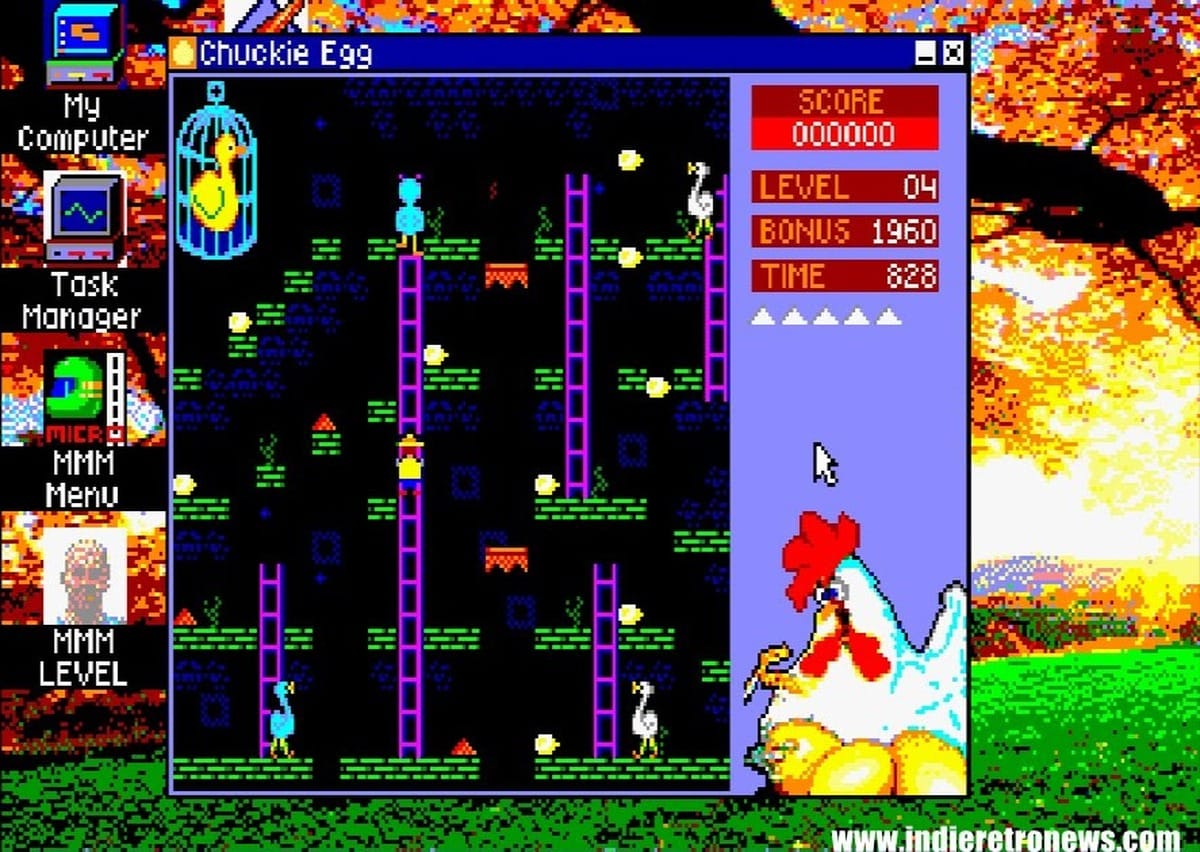
A familiar face from the golden age of British microcomputing, Nigel Alderton's enduring platformer Chucky Egg, has made a rather unexpected, yet thoroughly welcome, appearance on the SymbOS operating system, a development that truly shows the enduring spirit of these machines. This new conversion brings the classic, first seen in 1983, to a desktop-style environment, demonstrating a significant technical stride for the platform and its dedicated community.
The original Chucky Egg captivated players on machines like the ZX Spectrum and BBC Micro, becoming a staple of many a school holiday, often loaded from a cassette tape with those wonderfully abstract loading screens that were an art form in themselves. This new SymbOS version, as reported by Indie Retro News, is more than just a simple port; it represents a genuine technical achievement for the platform.
A Classic Hatches Anew
It is, in fact, the very first SymbOS game to use a newly engineered, graphical user interface (GUI) based sprite engine, a detail that Xenomorph, who provided the initial video, was keen to highlight. This engine, built for efficiency, allows developers to animate a range of moving characters at speed, rendering them smoothly within a standard window of the SymbOS desktop, much like one might see on an Amstrad CPC.
What this hints at, for the scene, is a genuine shift towards more sophisticated graphical capabilities within SymbOS applications, moving beyond earlier, perhaps more rudimentary, display methods. This kind of advancement can open doors for more complex and visually rich software, pushing the boundaries of what these period machines can achieve with modern programming techniques.
The Engine Behind the Eggs
This framework is tied directly to the upcoming Quigs Integrated Development Environment (IDE), which will include a full level editor, making game creation on SymbOS a far more approachable prospect for aspiring coders. The integration of a level editor, directly within the development suite, is a particularly thoughtful addition, streamlining the creative process considerably.
For those of us who remember the early days of microcomputer programming, when tools were often rudimentary and every byte counted, the idea of an integrated development environment with a level editor is quite remarkable. It speaks to a maturity in the SymbOS ecosystem, a platform that continues to see dedicated development long after the commercial lifespan of the machines it runs upon, such as the Amstrad CPC 6128, which was still a common sight in British homes in the late 1980s, perhaps even the summer before the miners' strike ended.
Tools for Tomorrow's Coders
The availability of such a toolset, alongside a high-profile conversion like Chucky Egg, could well inspire a new wave of homebrew development for SymbOS. It lowers the barrier to entry for those interested in creating new experiences for these classic systems, fostering a vibrant community of creators.
The release of Chucky Egg on SymbOS, coupled with the forthcoming Quigs IDE, suggests a bright future for those keen to create new software for these venerable machines. It is a lovely reminder that the creativity of coders, from Nigel Alderton in 1983 to the SymbOS developers today, continues to bring joy to these old systems, proving that a good game, and good tools, truly stand the test of time.
RetroShell also makes museum-grade acrylic game protectors — UK-produced, cast acrylic, sized for every major console generation.
Follow RetroShell on X for daily retro gaming news. Join the community on r/RetroShell.
Originally published by Indie Retro News. Read original article.