Sega Console Architect Hideki Sato Passes Away
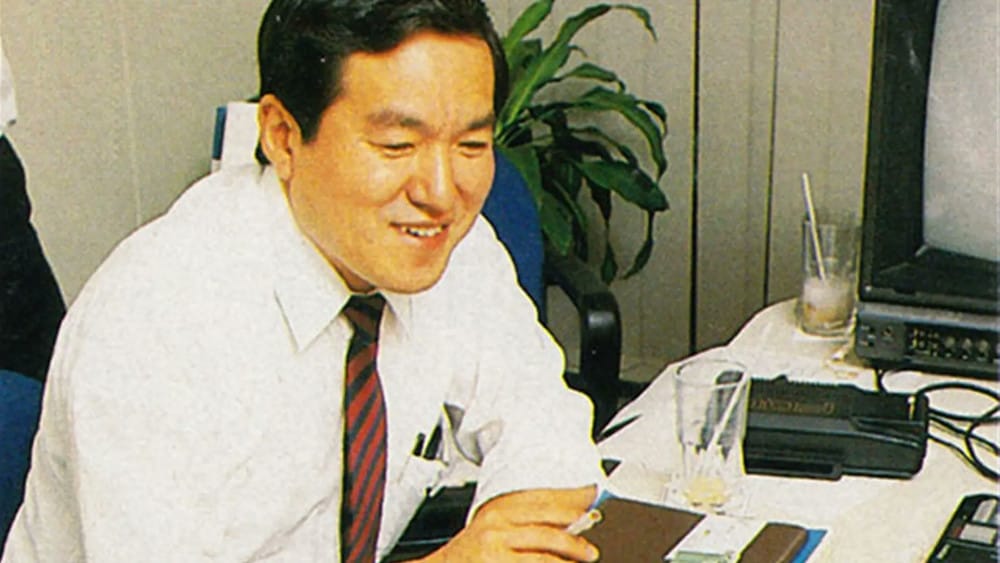
Hideki Sato, the engineering force behind some of Sega's most defining hardware, has passed away. This isn't just a loss for Sega's corporate history; it's a gut punch for anyone who ever fired up a Genesis or chased a clean Dreamcast in the wild. Sato's legacy is etched into the plastic and silicon of systems that still command serious attention from collectors today.
MSN reported the passing of Sato, noting his critical role in designing consoles from the Master System through to the Dreamcast. This period covers Sega's most aggressive and memorable pushes into the home console market. His influence spanned the 8-bit, 16-bit, and 32-bit eras, right up to Sega's final console hardware.
The Master System to Genesis Era
Sato's early work on the Master System laid foundational groundwork. That console, while often overshadowed by the NES in North America, still has a dedicated following. Then came the Genesis, known as the Mega Drive in Europe and other regions, a system that truly defined Sega's challenge to Nintendo. The Genesis was a powerhouse, a console that sold millions and created a distinct identity for Sega. Collectors still hunt for complete-in-box (CIB) examples of early Genesis models, often paying a premium for systems with minimal manual foxing or box wear.
My take is that Sato's influence shaped Sega's identity through its most competitive years. His designs weren't just functional; they were statements. The sleek lines of the Genesis, for example, were a direct counterpoint to Nintendo's more toy-like aesthetic. This design philosophy helped Sega carve out its niche, fueling the console wars that collectors still debate today.
The Saturn and Dreamcast Legacy
Later, Sato contributed to the Sega Saturn, a console that struggled against the PlayStation but remains a cult classic. Its complex architecture makes it a fascinating piece of hardware history, and its unique library drives a strong secondary market. Finding a Saturn with an unblemished case and original controller can be a challenge, pushing prices for well-preserved units higher.
His final major console project was the Dreamcast. This system was ahead of its time, pioneering online console gaming and delivering arcade-perfect ports. Despite its short lifespan, the Dreamcast is widely celebrated. Clean, working units, especially those with original packaging and accessories, are consistently sought after. The market for Dreamcast games, particularly rare Japanese imports, continues to be robust, showing the enduring appeal of Sato's final console design.
Hideki Sato's passing marks the end of an era for Sega hardware design. His work provided the physical platforms for some of gaming's most iconic moments. The consoles he designed continue to be central pieces in countless collections, a lasting proof of his impact on the industry and the collector scene.
Collecting Sega? UK-made acrylic protectors for every generation live at the RetroShell Sega shop. Thicker than the cheap ones, no static, no yellowing.
Follow RetroShell on X for daily retro gaming news. Join the community on r/RetroShell.
Originally published by MSN. Read original article.