
Digital Delistings: The Quiet Erosion of FPS Game History

The ongoing discussion surrounding digital game preservation has gained further traction following a recent EU hearing and a French lawsuit against Ubisoft, bringing into sharp relief the precarious status of many older titles. Game Rant recently compiled a list of first-person shooter games now unavailable for digital purchase, a stark reminder of how quickly digital storefronts can erase access to cultural artefacts. The quiet politics of preservation often manifest in these seemingly disparate delistings, revealing a systemic fragility in how we approach the digital legacy of interactive entertainment.
The Systemic Fragility of Digital Access
The problem of delisted games is not new, yet its scale continues to grow, particularly with the increasing reliance on digital distribution. Game Rant's Mark Sammut notes that expired licences, sunset servers, and declining playerbases are common culprits. This situation leaves many titles, once readily available, as little more than a lingering echo, often relegated to forum discussions about their whereabouts. The "Stop Killing Games" initiative, gaining prominence, seeks to address this very issue, pushing for greater accountability and more robust preservation strategies from publishers.
What this pattern hints at, for the broader discussion of digital rights, is a fundamental disconnect between the ephemeral nature of digital storefront agreements and the enduring cultural value of the content they host. Consumers purchase a licence to access, not outright ownership, a distinction that becomes painfully clear when a publisher decides a title is no longer commercially viable. This commercial calculus often overrides any consideration for historical significance or artistic merit.
Licensed Properties and Their Inevitable Fates
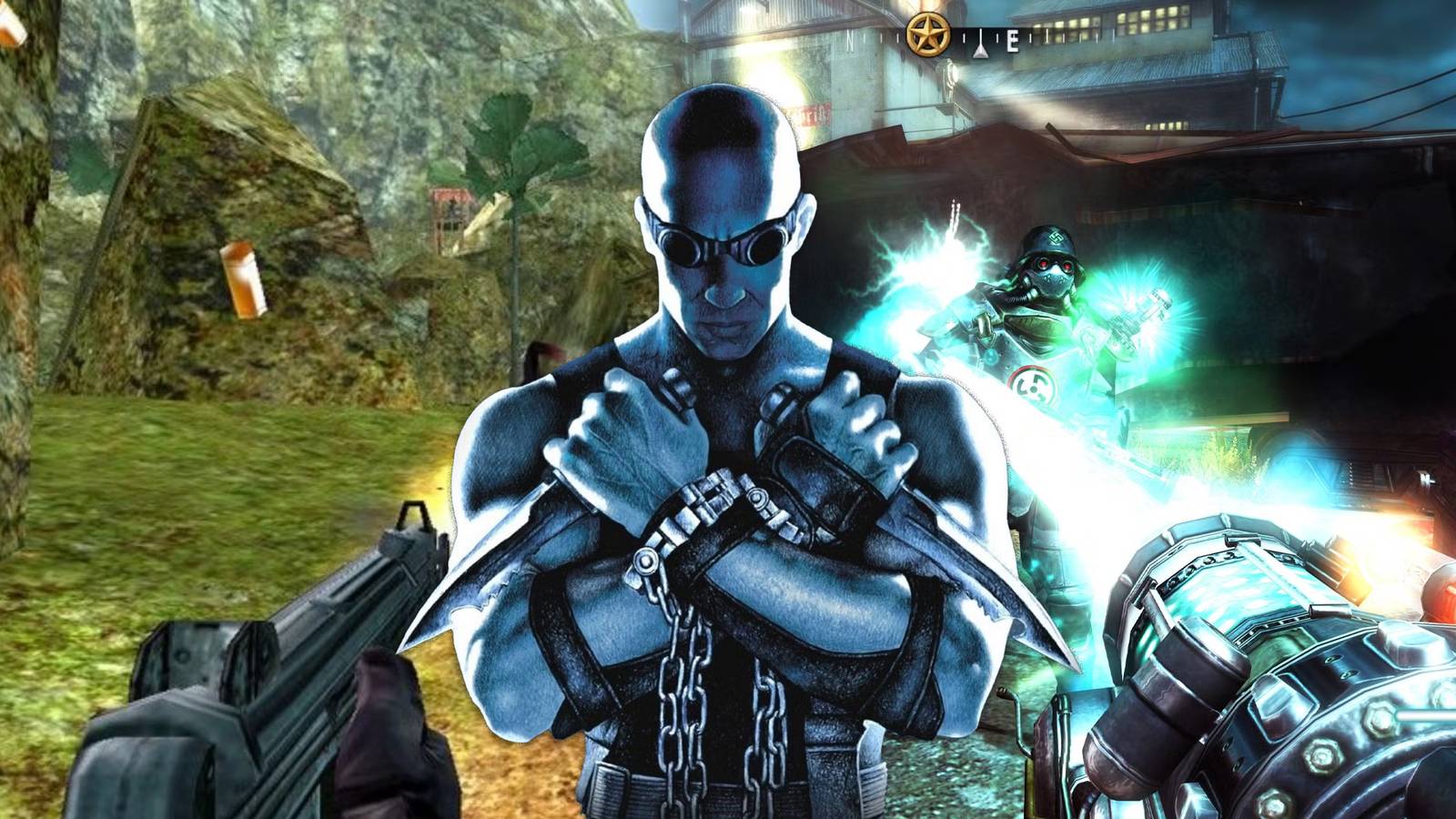
Licensed games are particularly susceptible to delisting. Once the contract and agreements between the intellectual property holder and the game publisher expire, these titles are frequently removed from digital stores. This dooms them to abandonware status and relative obscurity, as they will not appear in future sales. The Chronicles of Riddick: Assault on Dark Athena, for instance, is a notable example. This package included a remake of Escape from Butcher Bay, both critically praised for their blend of stealth, gunplay, and melee action. Despite their quality, these titles are now only found by scouring second-hand physical media markets for PlayStation 3 or Xbox 360 versions.
Similarly, many of James Bond's video game adventures have been delisted. While GoldenEye 007 often overshadows them, titles like EA's 007: Nightfire represent significant entries. Nightfire was a high point for the franchise in gaming, blending solid FPS action with spy gadgetry. Its absence from digital storefronts is a considerable loss. While physical console copies exist, the PC port, despite its initial issues, could have benefited from community fixes, a common fate for many older PC titles. The modding community often steps in to patch and improve games long after official support ceases, but digital unavailability makes even this difficult for new players.
Forgotten Originals and Their Digital Erasure
Beyond licensed properties, even original intellectual properties can vanish. 2009's Wolfenstein, developed by Raven Software, is one such case. Positioned between Return to Castle Wolfenstein and The New Order, it was a competent shooter that simply faded from view. Delisted for approximately a decade after only a five-year digital sales window, its short run contributed to its being largely forgotten. The game featured tight gunplay, strong level design, and introduced mechanics like the Veil, offering a power fantasy without making the player feel overpowered. Its quality, while perhaps not reaching the heights of its more celebrated successors, certainly warranted continued availability.
Another example is Human Head's original Prey from 2006. While Arkane Studios' 2017 title shares the name, the earlier game offered its own blend of FPS elements, exploration, and sci-fi. It pushed boundaries with its puzzles, open-ended levels, unique weapons, and gravity mechanics. During an era dominated by military shooters, Prey's setting felt refreshing. Despite its ambition, the 2006 Prey now seems unlikely to return in any digital form, quietly fading into history as abandonware. Arkane's version remains accessible, but its ancestor is increasingly difficult to experience legitimately.
The Curious Case of Missing Sequels
Sometimes, only a sequel disappears, creating an anachronistic gap in a series' digital presence. The 1999 Aliens Versus Predator is available as Aliens Versus Predator Classic 2000, yet its 2001 successor, Aliens Versus Predator 2, has been unattainable for a considerable period. AVP2 is often regarded as one of the best Alien or Predator games, ambitious for its time with three intertwining campaigns. These shifted genres to match the playable character, offering survival horror, stealth, and direct action. The multiplayer component was also highly praised. Monolith Productions, the developer, has seen many of its games delisted, including Condemned: Criminal Origins and the No One Lives Forever series.
Monolith's No One Lives Forever games, released in the early 2000s, represent a high point for the studio. These spy pastiches offered excellent gunplay for their era, intelligent level design, and strong enemy artificial intelligence. They were more than simple shoot-em-ups, telling engaging stories with Cate Archer, an exceptional female protagonist who, arguably, deserved more projects. Both No One Lives Forever and its sequel remain enjoyable today, a testament to their design quality, yet they are now largely inaccessible to new players without resorting to less-than-official channels.
Community Efforts and Freeware Releases
Not all delisted games are entirely lost. Tribes 2, an innovative multiplayer FPS from the early 2000s, showcased intricate design with its verticality and jetpack movement, allowing for large-scale 64 vs 64 player battles. Sierra On-Line, the original publisher, released Tribes 2 as freeware in 2015. This decision ensured the game, while somewhat obscure, remained available to anyone interested in its unique design. This freeware model offers a potential pathway for publishers to preserve older titles without the commercial overhead of maintaining them on digital storefronts. It is a pragmatic solution that benefits both the legacy of the game and the community.
Ubisoft's Peter Jackson's King Kong from the 2000s is another example of a delisted title that deserves more recognition. This movie tie-in game, impossible to buy digitally since around 2015, offered a unique sense of scale. Its campaign split between Jack and Kong provided wildly opposing perspectives: Jack's sections were FPS survival horror, while Kong's involved beating down massive monsters. Finding a physical Xbox 360 copy is the only legitimate route for interested players now.
The Battlefield of Digital Rights
Electronic Arts has also contributed to the growing list of unavailable titles. In 2023, EA delisted several games, including both Bad Company titles and Battlefield 1943, joining Battlefield 2. Battlefield: Bad Company 2 is often considered a peak for the franchise, even fifteen years after its debut. Its multiplayer was a major selling point, but the single-player campaign was also strong enough to warrant continued availability. The hope for a remaster compilation of the Bad Company games remains, but it is, at present, merely wishful thinking. The decision to remove these titles, despite their enduring quality and dedicated fanbase, highlights the publisher's ultimate control over digital access.
Epic Games similarly delisted the original Unreal Tournament following the shutdown of its online services. This arena-based shooter was a classic, spawning a lineage of FPS titles and a thriving local multiplayer scene. While it is unclear if Unreal Tournament will be re-released on Epic's own platform, or if the open alpha of a new Unreal Tournament will become the sole means of experiencing the series, the loss of the original is significant. Many other games in the Unreal Tournament franchise, including Unreal Tournament 3 and 2004, have also been delisted.
A Broader Preservation Imperative
The collective disappearance of these first-person shooter titles underscores a critical issue for the preservation of video game history. Each delisting represents a small but significant erosion of the medium's accessible past. The efforts of initiatives like "Stop Killing Games" and the increasing legal scrutiny from bodies like the EU demonstrate a growing awareness of this problem. However, the responsibility ultimately lies with publishers to implement more sustainable strategies for their back catalogues.
Archivists and historians face an uphill battle when digital content vanishes without a trace. The reliance on physical media, while often imperfect, at least provides a tangible artefact for future study and play. Digital-only releases, or those where digital distribution is the primary means of access, are far more vulnerable. Moving forward, a more considered approach to licensing agreements, server maintenance, and the eventual transition of older titles to freeware or open-source models will be essential. Without such measures, future generations will find large swathes of gaming history simply inaccessible, existing only in memory or through unofficial, legally ambiguous channels.
This is a long-term challenge, one that requires collaboration between developers, publishers, platform holders, and the preservation community. The current trajectory, where commercial decisions unilaterally dictate historical access, is not sustainable for a medium that has matured into a significant cultural force.
RetroShell also makes museum-grade acrylic game protectors — UK-produced, cast acrylic, sized for every major console generation.
Follow RetroShell on X for daily retro gaming news. Join the community on r/RetroShell.
Originally published by Game Rant. Read original article.