GammaOS Transforms Anbernic RG DS Dual-Screen Handheld
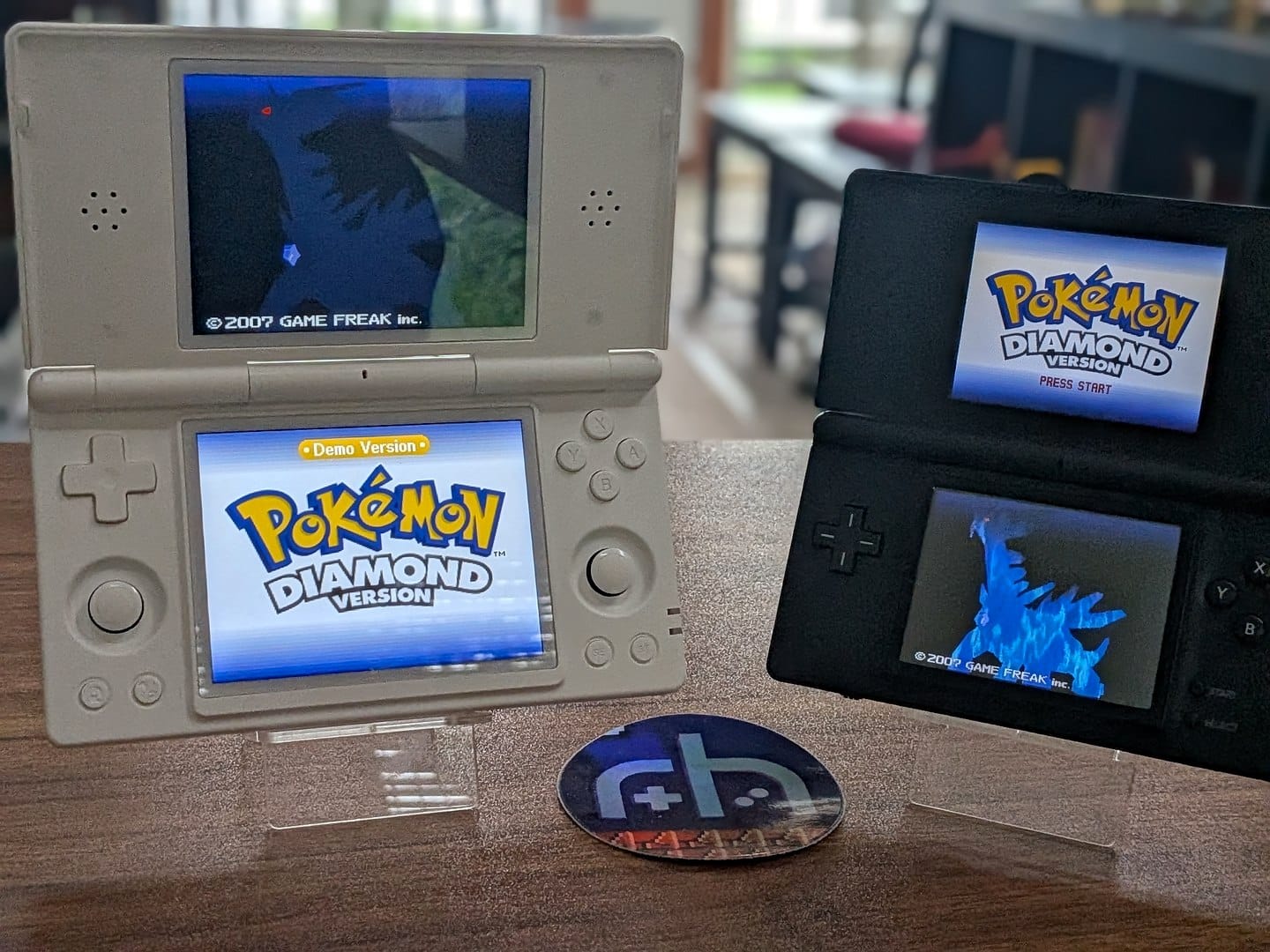
Anbernic's RG DS arrived with a familiar pattern of initial compromises, a common thread in their release cycle, often leaving room for community-driven custom firmware to truly unlock a device's potential. Retro Handhelds recently revisited the dual-screen device, finding its capabilities dramatically enhanced by the custom firmware, GammaOS.
The initial launch of the RG DS was met with community frustration, as Retro Handhelds noted in their early impressions. Issues included a stock operating system (OS) experience that struggled with Nintendo DS game display and a lack of proper integer scaling, which is critical for pixel-perfect retro gaming.
The device also lacked the processing power for Nintendo 3DS titles, a common expectation for new handhelds in this category, according to GammaOS Next official releases. This left many wondering about its true purpose without significant software intervention, a situation not uncommon for Anbernic releases.
The GammaOS Transformation
GammaOS, a custom firmware (CFW) developed by the community, has fundamentally changed the RG DS experience, according to Anbernic RG DS review. Retro Handhelds' updated assessment shows it addresses many of the initial display and performance quirks, much like how OSD firmwares elevate IPS retrofit kits for Game Boy systems.
This CFW tunes the device for optimal Nintendo DS emulation, smoothing out display issues and ensuring correct aspect ratios. The review suggests the RG DS with GammaOS now offers a superior experience even compared to original hardware, a significant claim for a modern clone.
What this hints at, for the scene, is the enduring power of community development to refine and even redefine a device's utility. The original Nintendo DS Lite, released in North America in June 2006, featured a 3-inch (76 mm) diagonal screen with a resolution of 256x192 pixels; the RG DS aims to replicate this dual-screen setup with modern LCDs.
Hardware Choices and Ergonomics
Anbernic designed the RG DS with a larger form factor than the original DS Lite, which measured 133 mm wide, 73.9 mm deep, and 21.5 mm high. This increased size accommodates larger hands, a frequent complaint among adult retro handheld users who find original devices cramped.
The device includes analogue sticks, a feature absent from the original DS. These are recessed due to the clamshell design, a necessary compromise also seen in devices like the Retroid Pocket Flip 2, which maintains a compact profile when closed.
Retro Handhelds found the D-pad and face buttons excellent, capturing the original feel while being slightly larger. The review noted no false diagonal inputs, a common issue with some budget handhelds, possibly attributable to GammaOS optimisations.
Shoulder buttons on the RG DS are functional, with the addition of L2/R2 triggers. These extra triggers, while often unused for DS games, are a common feature on modern emulation handhelds, though the review mentioned they can be quite loud compared to the original Nintendo hardware.
Anbernic's Release Strategy
Anbernic often releases devices with room for improvement, relying on the custom firmware community to refine the user experience. This strategy allows them to iterate quickly on hardware designs and bring products to market efficiently.
The RG DS follows this pattern, launching with a capable but unpolished stock OS. The community's work on GammaOS then elevates the device's utility significantly, turning a good piece of hardware into a great one for its specific niche.
This approach is a double-edged sword. It provides affordable hardware, but it also places the burden of optimisation on hobbyist developers. However, it fosters a strong community around their products, which is a clear benefit.
The Dual-Screen Emulation Challenge
Emulating dual-screen systems like the Nintendo DS presents unique challenges for any handheld. Displaying two screens effectively on a single-screen device or managing screen layouts on a dual-screen clone requires careful software design and user interface considerations.
GammaOS specifically addresses these layout issues, ensuring games appear crisp and correctly scaled across both screens. This is critical for titles that rely on precise pixel placement or touch screen interaction, maintaining the original play experience.
The original DS had a 67 MHz ARM946E-S main central processing unit (CPU) and a 33 MHz ARM7TDMI coprocessor. Emulating this architecture accurately requires a well-optimised software layer, which GammaOS provides for the RG DS's modern System-on-Chip (SoC), ensuring smooth performance.
What This Means for the Modding Scene
The success of GammaOS on the RG DS highlights the ongoing importance of the custom firmware scene. These developers often fill gaps left by manufacturers, enhancing device longevity and usability, much like how FPGA cores expand the Analogue Pocket's compatibility.
For enthusiasts, waiting a few months post-launch to see how custom firmware develops can be a wise strategy. This allows the community to iron out kinks and unlock a device's full potential, making an informed purchase possible.
The RG DS, with GammaOS, offers a compelling option for dedicated Nintendo DS play. It provides a modern screen experience that surpasses the original DS Lite's ageing transmissive liquid-crystal display (LCD), which often suffers from poor viewing angles and lower brightness by today's standards.
While more powerful, and expensive, devices like the Odin 3 can emulate DS titles, the RG DS's clamshell form factor and dedicated dual screens offer a more authentic play experience for many. This specific design choice caters directly to the original console's unique interaction methods.
Anbernic is likely to release a more powerful successor capable of 3DS emulation, following their typical product cycle of incremental upgrades. However, for current Nintendo DS titles, the RG DS with GammaOS installed stands out as a top contender.
The continued development of custom firmware like GammaOS ensures that even initially flawed hardware can become a strong contender in the retro handheld market. This collaborative effort between hardware makers and the community keeps the hobby vibrant and pushes the boundaries of what these devices can achieve.
RetroShell makes the Nintendo protector set collectors actually reach for — precision-cut, British production, ships worldwide.
Follow RetroShell on X for daily retro gaming news. Join the community on r/RetroShell.
Originally announced by Anbernic · first reported by Retro Handhelds.