Champions of Norrath: A PS2 Action RPG's Enduring Legacy

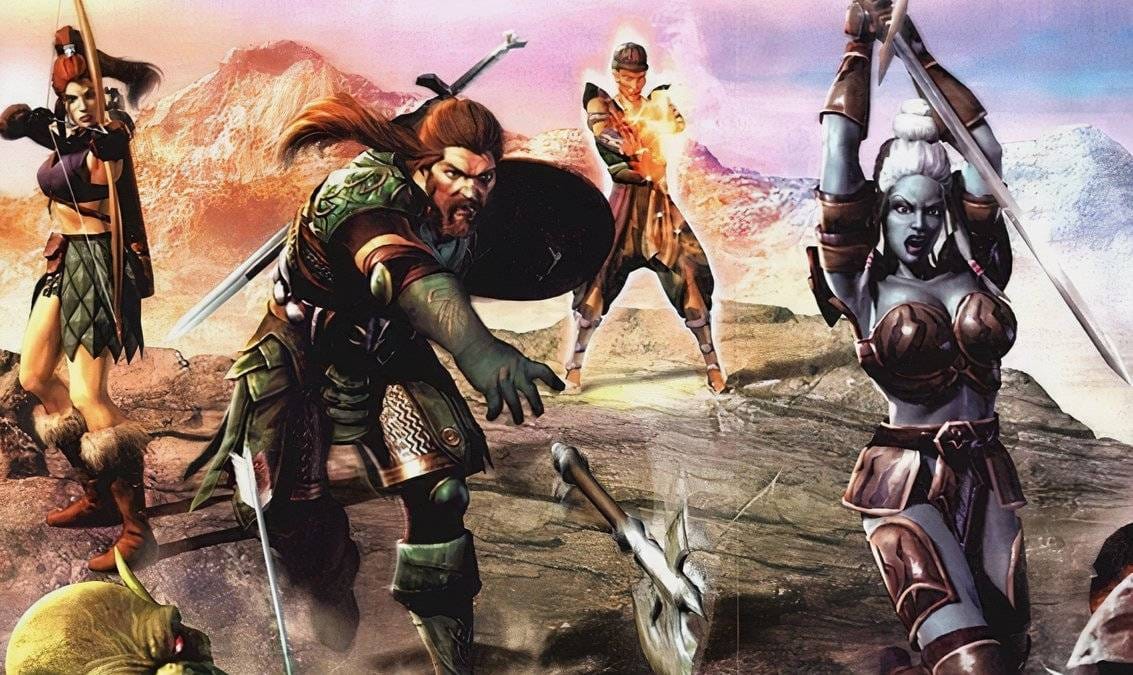
Champions of Norrath, released in 2004, continues to hold a significant place in the pantheon of PlayStation 2 action role-playing games, a testament to its considered design and technical ambition. Its foundation, the Snowblind Engine, provided a robust framework that allowed for intricate isometric 3D visuals and responsive combat, a technical feat that set it apart from many of its contemporaries. This engine, also powering titles such as Baldur's Gate: Dark Alliance, proved particularly adept at rendering chaotic battles with numerous enemies and spell effects without compromising performance, a critical factor for the genre.
The Snowblind Engine's Architectural Strength
The Snowblind Engine was not merely a tool; it was a foundational architecture that shaped a generation of console action RPGs. Developers in the early to mid-2000s valued its ability to deliver smooth, fast-paced combat alongside detailed graphics. The user interface, level-up menus, and inventory systems in Champions of Norrath directly mirrored those seen in Dark Alliance, illustrating the engine's consistent design philosophy across different titles. This shared technological heritage meant that games built upon it, including Dark Alliance 2, Justice League Heroes, and The Bard's Tale, benefited from a proven, efficient system.
Pioneering Console Online Play
What truly distinguished Champions of Norrath at the time was its inclusion of online multiplayer for the PlayStation 2, a feature far from standard in 2004. This allowed up to four players to adventure together, extending beyond the typical local couch co-operative experience. The game's online functionality echoed the collaborative spirit of PC massively multiplayer online games like EverQuest, from which Champions of Norrath drew significant inspiration for its class identities and world-building. This early adoption of networked play contributed substantially to the game's longevity, fostering a community that could persist beyond the confines of a single living room. It was an ambitious undertaking for a console RPG of that era.
A Duology's Refinement
The success of Champions of Norrath led to a sequel, Champions: Return to Arms, which further refined the combat mechanics and expanded the available class options. This follow-up also introduced branching moral choices, adding a layer of narrative complexity to the action. Notably, Return to Arms was among the first major console games to support character transfer from its predecessor using memory card data, a feature that later became popularised by titles like Mass Effect. Together, these two games form a cohesive duology, representing some of the strongest action RPG design available on the PlayStation 2 platform. They stand alongside other respected titles such as the Baldur's Gate: Dark Alliance series and the X-Men Legends games.
The Quiet Politics of Preservation
Despite its critical acclaim and dedicated fanbase, Champions of Norrath has never received a modern re-release or port. It remains tied to its original hardware, a common fate for many excellent games from that era. CBR Games reports on a fan initiative, a vote to bring the game to PC via GOG for preservation, which faces significant hurdles due to licensing complexities. This situation highlights a recurring challenge within game preservation: the technical feasibility of porting or emulating a title often pales in comparison to the legal and commercial obstacles. The real story here is not merely the absence of a re-release, but the systemic difficulty in making culturally significant software accessible across generations when intellectual property rights are fragmented or held by entities with little commercial incentive to act. It is a quiet political battle, fought not with grand gestures, but with the slow attrition of expiring licences and forgotten agreements.
Enduring Relevance in a Modern Context
Even today, Champions of Norrath holds up remarkably well, particularly when played on original hardware connected via modern HDMI converters. Its core loop of combat, levelling, and character building remains engaging. While the official online services are no longer supported, the game's design principles, which emphasised teamwork and class synergy, predated many elements now common in live-service games. The fact that a game from 2004, without the benefit of modern updates or re-releases, continues to be discussed and sought out by enthusiasts speaks volumes. Its enduring appeal serves as a reminder that strong foundational design and forward-thinking features can secure a title's place in gaming history, even if its future accessibility remains uncertain.
Pair the knowledge with the fit. Player Clothing t-shirts are individually numbered, limited-edition runs — retro DNA on cotton.
Follow RetroShell on X for daily retro gaming news. Join the community on r/RetroShell.
Originally published by CBR Games. Read original article.