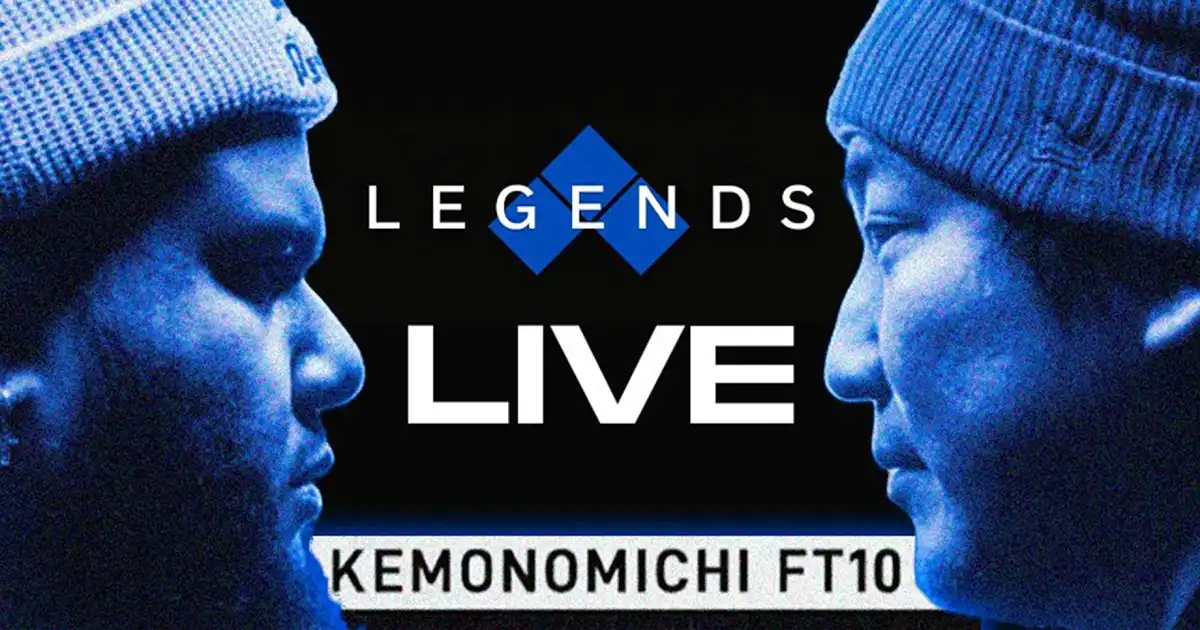
Kemonomichi Legends Live Delivers Intense Fighting Game Action

The Kemonomichi (獣道, "beast's path" or "rough path") Legends Live event recently concluded, offering a series of high-stakes exhibition matches that are a hallmark of the Japanese competitive fighting game scene. These long-form sets, often held as a prelude to major tournaments like Evo Japan (エボジャパン), provide a unique platform for top players to test their endurance and adaptability. This particular event, reported by EventHubs, featured prominent figures across three major fighting titles, building anticipation for the upcoming competitive season.
Reject|Daigo and WBG|MenaRD faced off in the main event, a first-to-10 battle in Street Fighter 6. MenaRD, playing Blanka, ultimately secured a decisive 10-6 victory over Daigo's Akuma. The extended format of a Kemonomichi match allows for deep strategic adjustments and character counter-picking, making each round a critical test of a player's ability to adapt under pressure. The outcome here suggests MenaRD's strong command of Blanka's toolkit and his capacity to maintain composure through a lengthy set.
Tekken 8 and Character Adaptations
Another significant contest saw TM|Arslan Ash, a multiple Evo champion in the Tekken series, challenge THY|Chikurin, the 2024 Evo Japan champion, in Tekken 8. Chikurin, using Clive, won the first-to-7 set with a score of 7-4. What is particularly interesting about this match was Arslan Ash's repeated character changes. He started with Zafina, then switched to Nina after game 2, Alisa after game 5, and finally Leo after game 10. This level of in-match character switching is uncommon at the highest tiers of play, and it highlights Arslan Ash's deep roster knowledge, even if it did not secure him the win on this occasion. Chikurin's consistent performance with Clive, despite these changes, shows a strong understanding of the character and the matchup.
A Legacy SNK Hasn't Forgotten
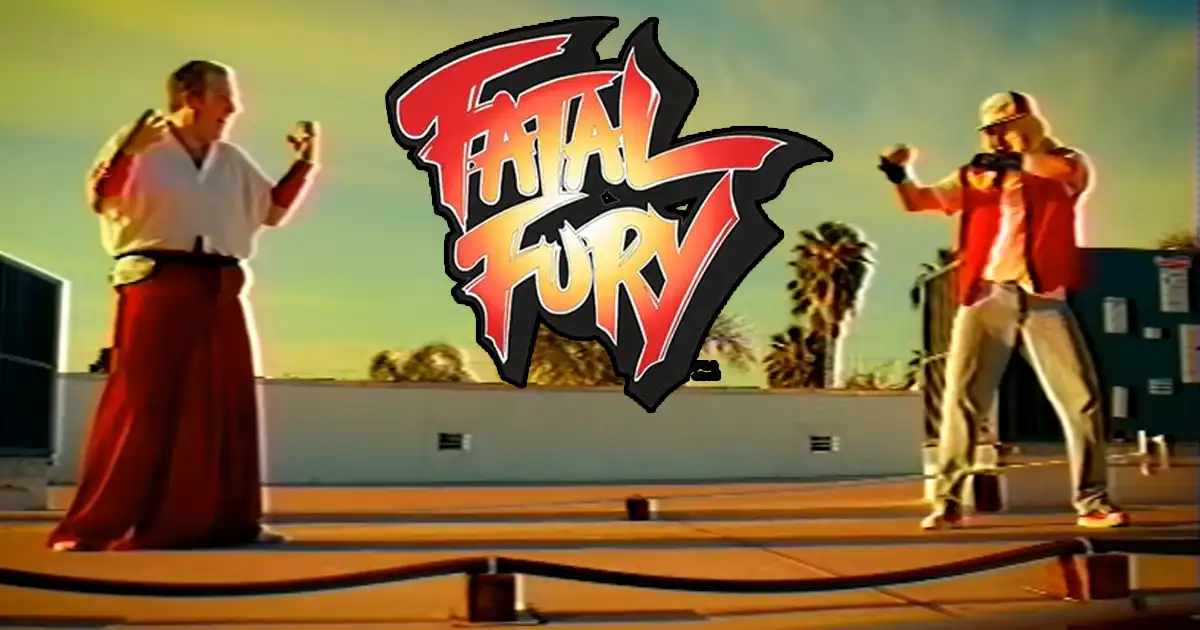
The event also featured a much-anticipated "runback" from last year's SNK World Championship finals. Reject|Laggia, playing Gato, met DFM|Go1, using Marco, in Fatal Fury: City of the Wolves (餓狼伝説 City of the Wolves). Go1 emerged victorious in a close first-to-7 set, winning 7-6. This specific match is a strong indicator of the competitive potential of SNK's upcoming title. The close score and the history between these players suggest a well-balanced game that rewards precise execution and strategic depth. For fans of SNK's fighting game lineage, this match offers a glimpse into the future of a beloved series, building on the foundations laid by composers like Masahiko Hataya and Shinsekai Gakudan in earlier Fatal Fury entries.
The Broader Significance for the Scene
The real story here is the continued vitality of the Japanese competitive fighting game scene, particularly through events like Kemonomichi. These exhibitions not only entertain but also serve as crucial testing grounds for strategies and player mental fortitude ahead of larger tournaments. The results from Kemonomichi Legends Live offer valuable insights into the current meta of Street Fighter 6 and Tekken 8, while also generating considerable excitement for Fatal Fury: City of the Wolves. The dedication of players like Daigo, MenaRD, Arslan Ash, and Chikurin continues to push the boundaries of competitive play, much like the early arcade champions who shaped the scene decades ago. This event reinforces the enduring appeal of these titles and the culture surrounding them.
Moving forward, the outcomes of these Kemonomichi battles will undoubtedly influence player preparations for Evo Japan 2026. The strategic choices made, particularly Arslan Ash's character swaps, will be analyzed by competitors and spectators alike. The strong showing for Fatal Fury: City of the Wolves also positions it as a title to watch closely in the coming year, potentially revitalizing a classic franchise within the competitive circuit. These events are essential for maintaining the high level of competition and community engagement that defines Japanese fighting game culture.
Pair the knowledge with the fit. Player Clothing t-shirts are individually numbered, limited-edition runs — retro DNA on cotton.
Follow RetroShell on X for daily retro gaming news. Join the community on r/RetroShell.
Originally published by EventHubs. Read original article.