
Yoshi NES and Game Boy Soundtracks Arrive on Nintendo Music

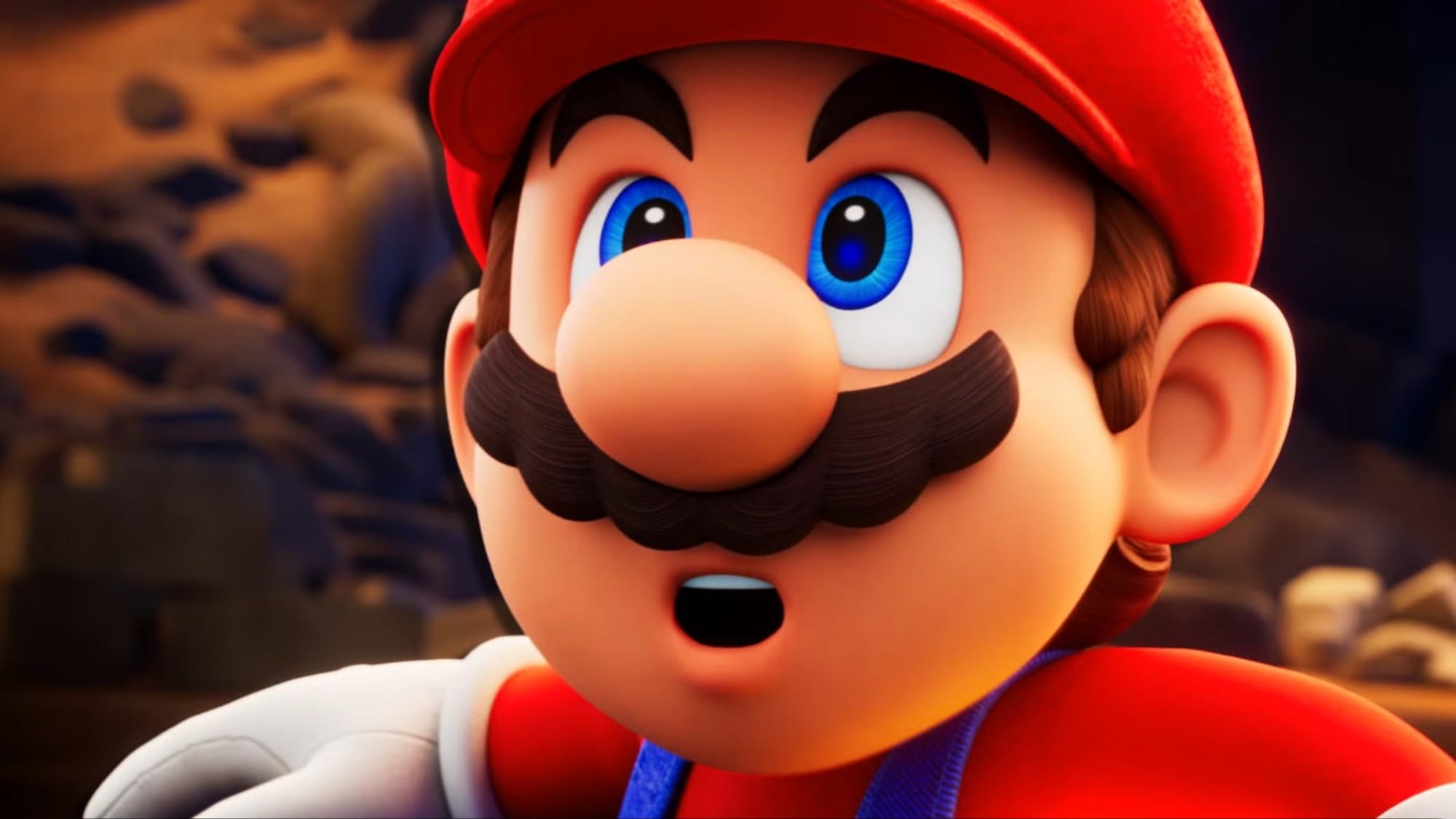
Nintendo has expanded its official Nintendo Music service this week, adding the complete soundtracks for Yoshi on the Nintendo Entertainment System and Game Boy. This move is a welcome one for anyone who appreciates the distinct soundscapes crafted within the limitations of the Ricoh 2A03 Audio Processing Unit of the NES and the Game Boy's four-channel sound chip.
Reported by Nintendo Life, this release brings the full audio experience of these early puzzle titles to a wider audience through official channels. The Nintendo Music service, available via platforms like Apple Music and Spotify, has steadily grown its catalogue of classic game scores, offering high-quality digital versions that often surpass fan-made rips in fidelity.
The Charm of 8-bit Audio
The original Yoshi game, known as Yoshi's Egg in Japan and Mario & Yoshi in PAL regions, first launched in 1991. Its music, composed by Akito Nakatsuka, perfectly captures the playful, yet challenging, nature of the puzzle game, according to Yoshi Wikipedia. The NES version, leveraging the Ricoh 2A03 APU, uses two pulse wave channels, one triangle wave channel, and one noise channel to create its memorable melodies and sound effects.
The Game Boy iteration presents a different, yet equally compelling, sonic profile. The handheld's sound hardware, consisting of two pulse wave channels, one wave channel, and one noise channel, forced composers to be incredibly creative, according to Official Nintendo Music service. The result is a distinct, often more sparse, sound that is instantly recognisable to anyone who spent hours with Nintendo's grey brick.
Official Preservation Efforts
What this hints at, for the scene, is a growing recognition from platform holders that these early sound designs are not just background noise, but a critical part of a game's identity and a form of digital art in their own right. For years, fans have relied on community efforts to archive these soundtracks, often through direct audio captures from original hardware or through emulator sound dumps. While these efforts are invaluable, an official release ensures the highest possible quality and accessibility.
This official availability also provides a benchmark for accurate sound reproduction, something that FPGA cores for systems like the Analogue Pocket strive for. Hearing the original, uncompressed audio helps to truly appreciate the nuances that developers managed to squeeze out of limited hardware. It also offers a clear reference point for those looking to mod their original Game Boy consoles with modern audio amplifiers, ensuring they are hearing the intended sound profile.
What This Means for Collectors and Modders
For collectors and modders, these releases are more than just background listening; they are a piece of history. The distinct chiptune sound of the NES and Game Boy is a defining characteristic of their respective eras. Having these soundtracks officially preserved and easily accessible supports the broader retro gaming ecosystem, from those restoring original consoles to those developing new homebrew titles that aim to capture that classic feel.
Moving forward, it will be interesting to see which other classic Nintendo titles receive this treatment. The continued expansion of the Nintendo Music library suggests a commitment to preserving the audio legacy of their extensive catalogue, a welcome development for enthusiasts of retro sound.
If those carts deserve shelf time, they deserve protection. Browse the Nintendo range at shop.retroshell.com — NES through GameCube, all UK-made.
Follow RetroShell on X for daily retro gaming news. Join the community on r/RetroShell.
Originally published by Nintendo Life. Read original article.