
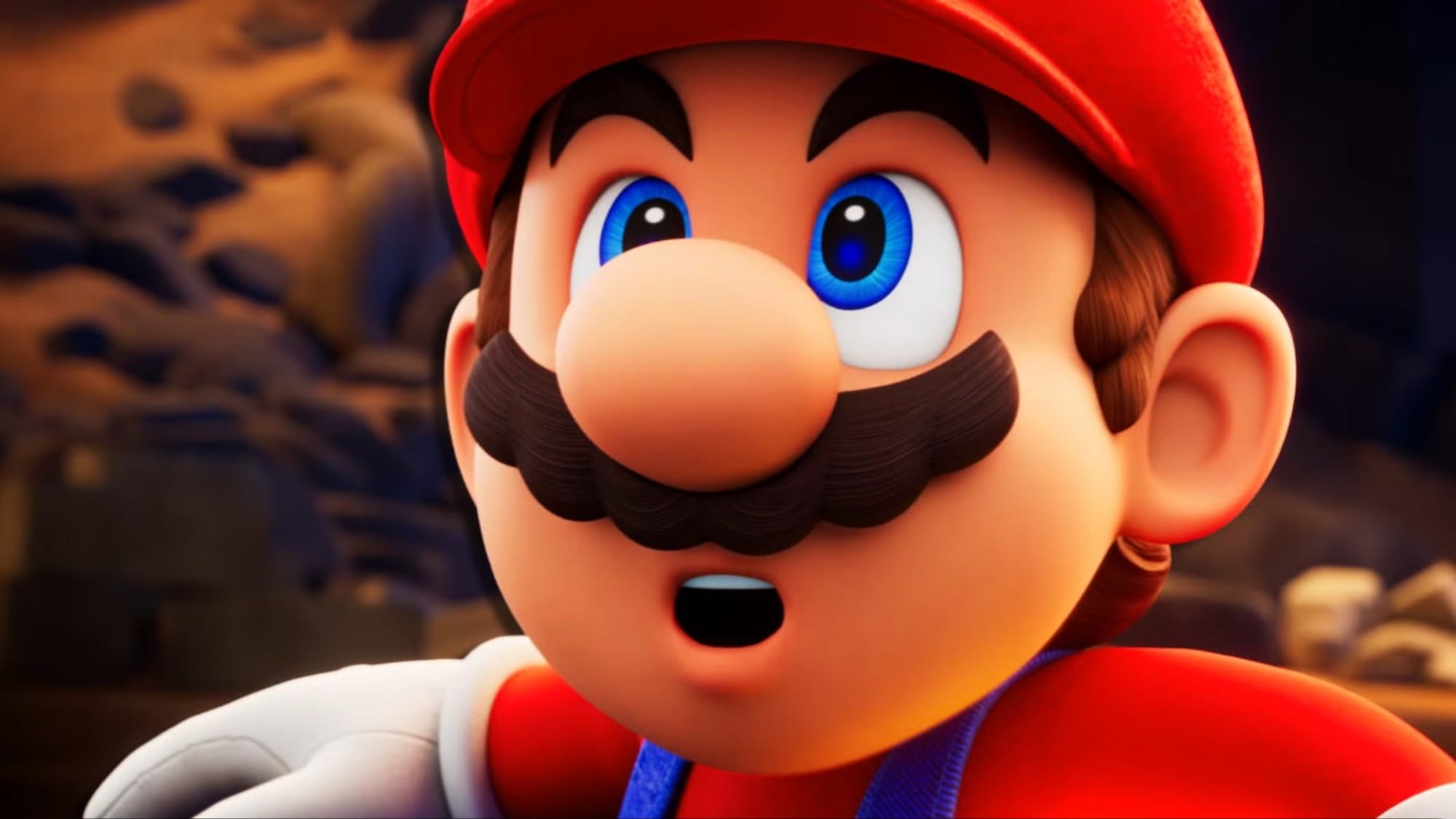
Nintendo's "Complete Game" Stance Hits Hard
Reggie Fils-Aimé, former Nintendo of America president, just dropped a bomb. He stated Nintendo's philosophy: they ship games "complete." No day-one patches. No excuses. This isn't just about quality control; it's a direct shot at the industry's reliance on post-launch fixes, and it absolutely impacts how we view a game's long-term value, especially when you consider how much a truly complete copy of EarthBound or Chrono Trigger fetches on the secondary market, even with some manual foxing.
Fils-Aimé made these remarks during a lecture at the NY Game Center, as reported by ComicBook Gaming. He was asked about Nintendo's infrequent sales on first-party titles. Unlike Xbox, PlayStation, or Steam, Nintendo rarely slashes prices on its exclusives. Fils-Aimé's explanation was simple: Nintendo ships games finished. They avoid the common practice of day-one updates and patches that many modern releases depend on to fix bugs and broken features.
This "unique mentality," as Fils-Aimé described it, allows Nintendo to maintain full price for older games. He pointed to The Legend of Zelda: Breath of the Wild as an example. That game has been out for years, yet it still commands its original $60 price tag. Other publishers would have discounted it heavily by now, sometimes dropping prices by 75% or more within months of release.
The Echoes of Console Wars Past
This isn't the first time the gaming industry has seen companies take shots at each other. The Sega Genesis, known as the Mega Drive in Europe, built much of its early identity by directly challenging Nintendo. Its advertising openly called out Mario. PlayStation later released commercials poking fun at Xbox One's game sharing policies. These jabs fueled the console wars of the 1990s and early 2000s.
Nintendo, however, typically stays above the fray. They focus on their own products and the strength of their games. Fils-Aimé's comments, while not an official company statement since he's no longer employed by Nintendo, still reflect a deep-seated company ethos. It's a subtle, backhanded insult, delivered with a smile, that speaks volumes about how Nintendo views its competition.
What "Complete" Really Means
For Nintendo, a game needing a day-one patch is not a complete product. It's unfinished. This perspective explains why they feel justified in keeping prices firm. Their exclusive titles, meticulously crafted, hold their value because they are delivered as intended, without requiring immediate digital surgery. This stands in stark contrast to many modern games that launch with known issues, relying on post-release patches to reach a stable state.
What this hints at, for the scene, is a deeper philosophical divide. Nintendo's stance suggests that a game requiring immediate fixes is inherently flawed, a product not fully realized at launch. This perspective, while not directly about physical condition, echoes the collector's demand for original, unblemished items. It’s a subtle but powerful argument for perceived value, one that collectors intuitively understand when they pay a premium for a truly complete-in-box title with no sticker shadow or label damage.
The Collector's Take on Value
This idea of a "complete game" has real implications for collectors. Think about it: a game that needs a day-one patch is, in a way, like a sealed game with a manufacturing defect that requires a recall. It's not the final, intended product. While grading companies like WATA or VGA focus on the physical condition of a game, the concept of a game being "complete" from a functional standpoint is just as critical to its long-term appeal and value.
We've seen how condition issues like label damage or manual foxing can tank a game's value. But what about a game that's functionally incomplete at launch? Does that impact its perceived quality and, by extension, its future collectibility? I'd argue it absolutely does. A game that "just works" out of the box, without needing immediate downloads, holds a certain prestige. It's a testament to development rigor, something increasingly rare in the rush to market.
The Future of "Finished" Games
This isn't to say all patches are bad. Sometimes they remove harmful content or add quality-of-life tweaks. Developers adjusting games based on player feedback can be a good thing. However, there's a clear difference between an optional update and a mandatory fix for a broken launch. Nintendo's approach prioritizes the latter, ensuring a smooth experience from the moment a game is installed.
This ethos sets Nintendo apart. It's a point of pride for them, and a quiet jab at the rest of the industry. If Nintendo only releases complete games that don't need day-one patches, what does that say about how they view other games? It's a question that hangs in the air, shaping market perceptions and, ultimately, influencing what collectors value in the long run. The market for truly complete, original experiences will only grow stronger, pushing up prices for those titles that delivered from day one.
Want this but condensed? Sign up to the RetroShell weekly on Substack and we'll email you Monday with the best of the week.
Follow RetroShell on X for daily retro gaming news. Join the community on r/RetroShell.
Originally announced by Nintendo · first reported by ComicBook Gaming.