The N64 VRU: A Singular Voice in Gaming History

The Nintendo 64's Voice Recognition Unit, or VRU, represents a peculiar, almost quixotic, early attempt at natural language processing in consumer electronics, a technical curiosity often overshadowed by the commercial realities of its sole North American title, Hey You, Pikachu! This peripheral, bundled exclusively with the Pokémon spin-off, offered a glimpse into a future of interactive entertainment that was perhaps a decade or two ahead of its time, a quiet technical achievement that struggled to find its commercial footing.
Ambrella, a Japanese video game developer, started experimenting with voice-controlled gameplay in the 1990s. They faced initial scepticism regarding the viability of such an idea. Undeterred, the team sourced components from Akihabara, Tokyo's renowned electronics district, to construct a working prototype. This early effort led to software allowing players to communicate with an on-screen character using a microphone, which would eventually become the N64's VRU.
The Genesis of a Conversational Companion
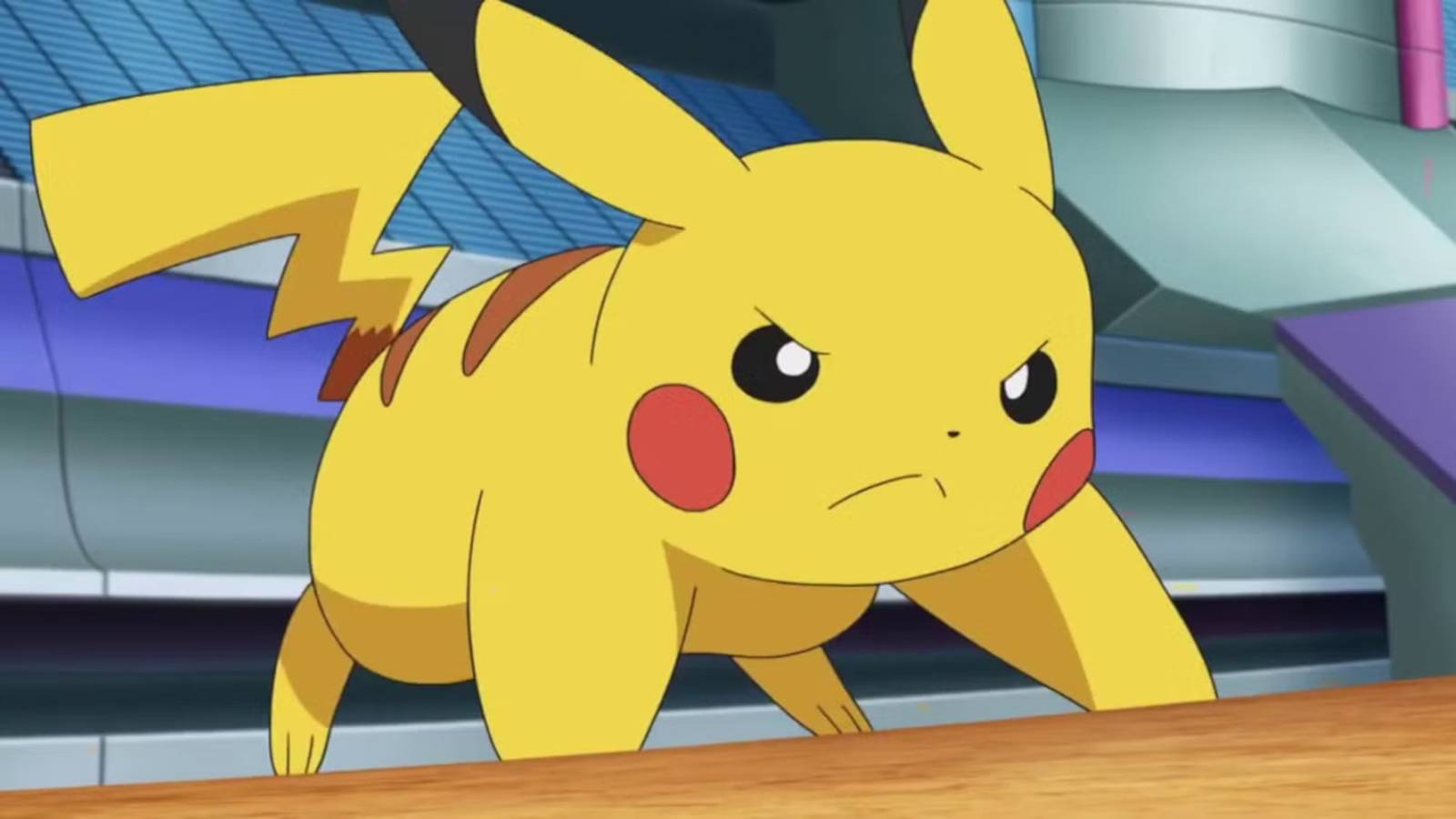
Ambrella's existing relationship with Nintendo meant that Pikachu, a cultural force thanks to the anime and other products like the Pocket Pikachu and Pokémon Yellow Version: Special Pikachu Edition, was chosen as the central character. The game, initially titled Pikachu Genki Dechū in Japan, a pun meaning "Pikachu is fine," aimed to capitalise on the character's immense popularity. Tsunekazu Ishihara, founder of Creatures and a producer on the game, described it as the ultimate item for Pikachu fans.
Ishihara envisioned Hey You, Pikachu! not as a traditional video game, but as a high-tech toy. He wanted it to be intentionally straightforward, a deliberate contrast to the increasingly complex games prevalent in the late 1990s. The goal was to create an experience simple enough for young children to engage with, akin to an enhanced form of playing pretend with a stuffed animal. Adults, he suggested, might also appreciate a different kind of conversational companion.
More Than a Pet Simulation
Crucially, Ishihara distinguished the title from the popular pet-raising simulations of the era. Pikachu was not a pet to be raised or developed; rather, it was a conversation partner, a buddy with whom to chat. This distinction is important, as it frames the game's design philosophy around interaction and relationship building, rather than progression or stat management. The technical ambition here was in the natural language processing, not in complex game systems.
The game begins with the player meeting Professor Oak, who tasks them with learning to use the PokéHelper, the in-game name for the VRU. This device acts as a translator, allowing the player to communicate with a wild Pikachu near Viridian Forest. The game is designed to process approximately 200 different phrases, which players use to complete various missions across different levels. These tasks include gathering ingredients for a Bulbasaur's meal, babysitting Caterpie, and fishing for wild Pokémon.
Building a Relationship, Not a Battle Team
The core focus of Hey You, Pikachu! is on fostering a relationship with Pikachu through conversation and simple tasks. There is no emphasis on making Pikachu stronger or advancing through a narrative world in the traditional sense. Completing these activities earns Pika Points, which can then be used to unlock toys, decorations, and other items. This loop reinforces the idea of a digital companion rather than a combat-oriented Pokémon experience.
The game does feature an emotional ending, occurring after 365 in-game days. Professor Oak informs the player that Pikachu has "really opened its heart" to them, and that it is time for the wild Pokémon to return to the forest. Players must then repeatedly say "goodbye" to a teary-eyed Pikachu, who eventually departs to join its friends. This moment, designed to evoke a strong emotional response in younger players, is somewhat undercut by Pikachu's return after the credits, allowing the game to continue as if the farewell never happened.
A Limited Release and Lingering Questions
Hey You, Pikachu! first launched in Japan on 12 December 1998, making it the second Pokémon spin-off after Pokémon Stadium. Its North American release came two years later, on 6 November 2000, initially under the name Pikachu VRS before being changed. This timing placed it towards the end of the first Pokémon generation and after most other spin-offs from that era. The game did not achieve significant commercial success.
Of the Pokémon titles released on the Nintendo 64, Hey You, Pikachu! was among the worst-selling, only outselling the original Pokémon Stadium and Pokémon Puzzle League, both of which had more limited regional releases. The primary factor in its commercial underperformance was likely its price. While most N64 games retailed for around $50 or $60, the inclusion of the VRU peripheral pushed Hey You, Pikachu!'s price to $80. This higher cost made it a less appealing option for parents compared to other, less expensive games.
The Technical Achievement Versus Market Reality
The relative commercial failure of Hey You, Pikachu! is, in some respects, a shame, given its technical ambition. The game holds the official distinction of being the "first voice-controlled video game in Japan," a claim that speaks to its pioneering nature. At the time, there was nothing else quite like it on the market. In North America, it remained the only game ever released that made use of the VRU. In Japan, the only other title to support the peripheral was Densha de Go! 2 Kōsoku-hen, a train simulator that never saw an international release.
It is worth noting that the source's emphasis on the VRU's technical prowess, contrasted with its commercial struggles, highlights a recurring pattern in the history of consumer electronics. Often, truly innovative hardware arrives before the market is ready to absorb its cost or its novel interaction methods. The ambition to create a conversational interface was genuine, but the practicalities of manufacturing, bundling, and pricing a niche peripheral proved a significant hurdle. Early plans for VRU compatibility in The Legend of Zelda: Majora's Mask were ultimately scrapped, further cementing Hey You, Pikachu!'s isolated status.
A Quiet Legacy in Interaction Design
Understandably, Hey You, Pikachu! does not possess a direct, widely recognised legacy. It never received a sequel. However, its influence can be seen indirectly in a handful of later titles often considered spiritual successors. Pokémon Channel for the GameCube, for instance, shares many similarities, starring a Pikachu and focusing on simple, atmospheric activities. This game, too, prioritised "vibes" and interaction over complex gameplay mechanics, much like its N64 predecessor.
Later titles such as PokéPark Wii: Pikachu's Adventure and PokéPark 2: Wonders Beyond also feature Pikachu as a central character and are clearly aimed at a younger audience. While not direct continuations, they carry on a certain unofficial legacy of gentle, exploratory Pokémon experiences. Developer Ambrella continued its work on Pokémon games, including Pokémon Channel and the Pokémon Rumble series, demonstrating a continued engagement with the franchise's more experimental facets.
Revisiting Hey You, Pikachu! today might feel somewhat clunky, particularly given the significant advancements in voice-recognition technology since the 1990s. That said, despite its commercial underperformance, it stands as a technically impressive and rather idiosyncratic part of the initial wave of Pokémon mania. Its unique approach to player interaction, even if imperfect, offers a valuable data point for those interested in the early attempts at natural language processing in home entertainment. It was not a disaster, merely a commercially challenging experiment that pushed the boundaries of what a console peripheral could achieve.
Keeping Nintendo boxes crisp? Our Nintendo game protectors are UK-made cast acrylic, sized for NES, SNES, N64, GameCube and handheld boxes.
Follow RetroShell on X for daily retro gaming news. Join the community on r/RetroShell.
Originally published by CBR Games. Read original article.