Xbox Prototypes and PSX HDD: Deep Cuts for Collectors
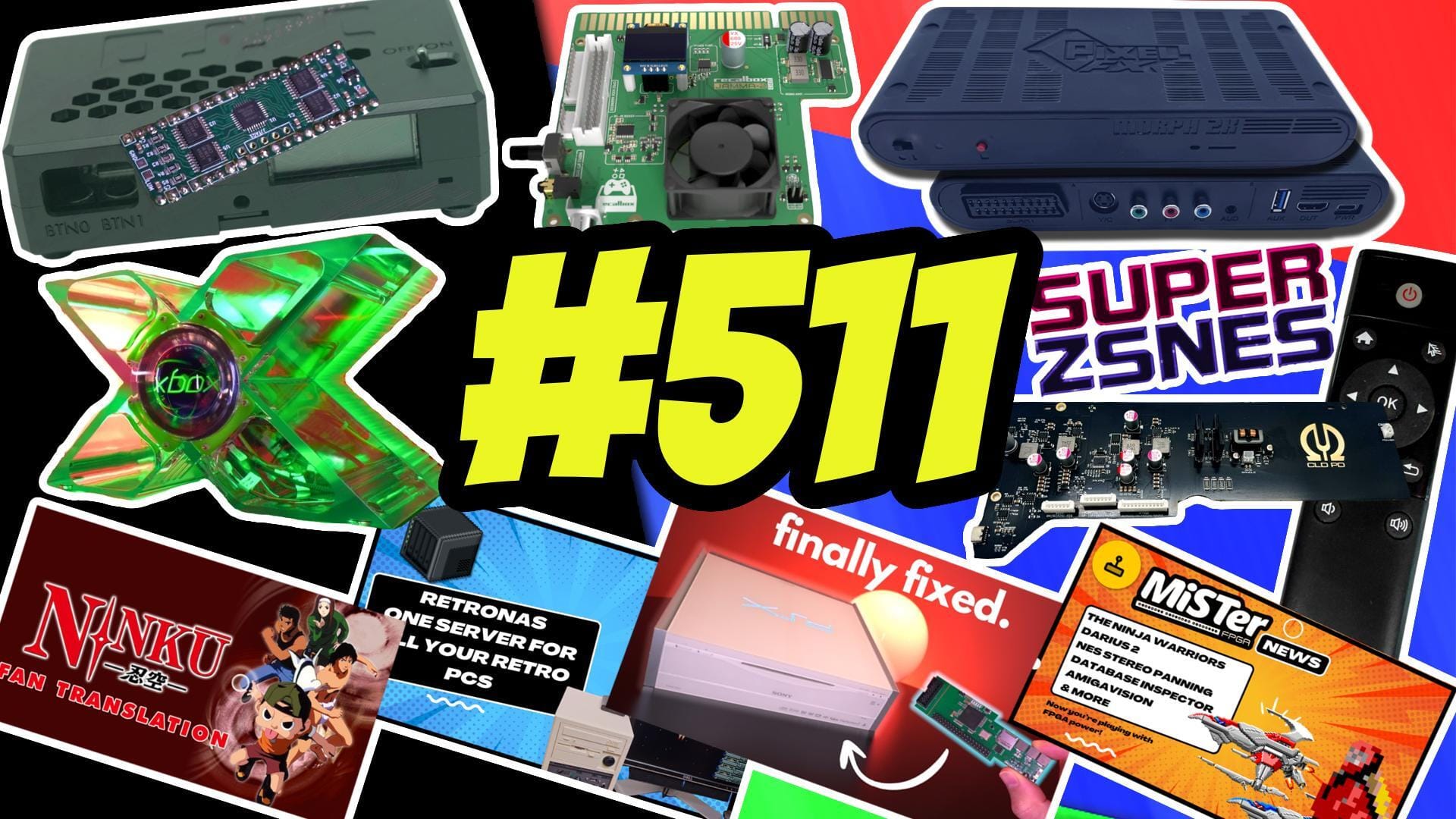
Forget the sealed Xbox games with their questionable WATA grades; the real action for original Xbox collectors is happening at the hardware level. RetroRGB reports on two significant community projects this week, pushing console preservation beyond just pristine discs. One project lets enthusiasts build their own Xbox prototype units, while another unlocks previously inaccessible PlayStation and PlayStation 2 hard disk drives.
Building an Xbox prototype has long been a dream for many. Original development kits are rare. They fetch high prices, often with condition issues like yellowed plastic or missing labels. This new community effort, detailed on RetroRGB, provides the tools and instructions to assemble a functional prototype. It uses readily available components, making the experience accessible without needing to track down a genuine, multi-thousand dollar dev kit.
Building Your Own Xbox Dev Kit
The project focuses on replicating the functionality and feel of an early Xbox development environment. This isn't just about playing games. It is about understanding the console's origins. For collectors, this means experiencing a piece of history that was once out of reach. It democratizes access to a hardware experience usually reserved for deep-pocketed enthusiasts or institutional archives. The value here isn't in a graded box, but in the hands-on interaction with a console's formative stages.
Unlocking PSX Data Treasures
On the PlayStation side, a new method allows users to unlock PlayStation and PlayStation 2 hard disk drives. This is a critical step for data recovery and preservation. Many early console modding efforts, or even developer data, might reside on these old drives. Before this, accessing that data was often a dead end due to proprietary locking mechanisms. Now, collectors and preservationists can dig deeper.
Imagine finding an unreleased game build or early development notes on a forgotten HDD. That is the real treasure. It far outweighs the value of another complete-in-box copy of a common title, even if that CIB copy is in mint condition with no manual foxing or sticker shadow. This project opens up new avenues for discovering lost content, which can dramatically reshape our understanding of a console's library.
What This Means for the Scene
What this hints at, for the scene, is a genuine shift. It moves from purely acquiring physical artifacts to actively engaging with the hardware's deeper history and potential. It shows that the most interesting finds are not always on auction sites. Sometimes, they are hidden inside the machines themselves, waiting for someone to dig. These projects highlight the ongoing efforts within the community to preserve and explore console hardware in ways that official channels often overlook. It is a testament to the dedication of enthusiasts who push the boundaries of what is possible with retro tech.
Keep your collection properly. RetroShell's shop stocks UK-made acrylic protectors for Atari, Sega, Nintendo and more.
Follow RetroShell on X for daily retro gaming news. Join the community on r/RetroShell.
Originally published by RetroRGB. Read original article.