The Third Shift: Game Boy Horror Blends CCTV and Point-and-Click

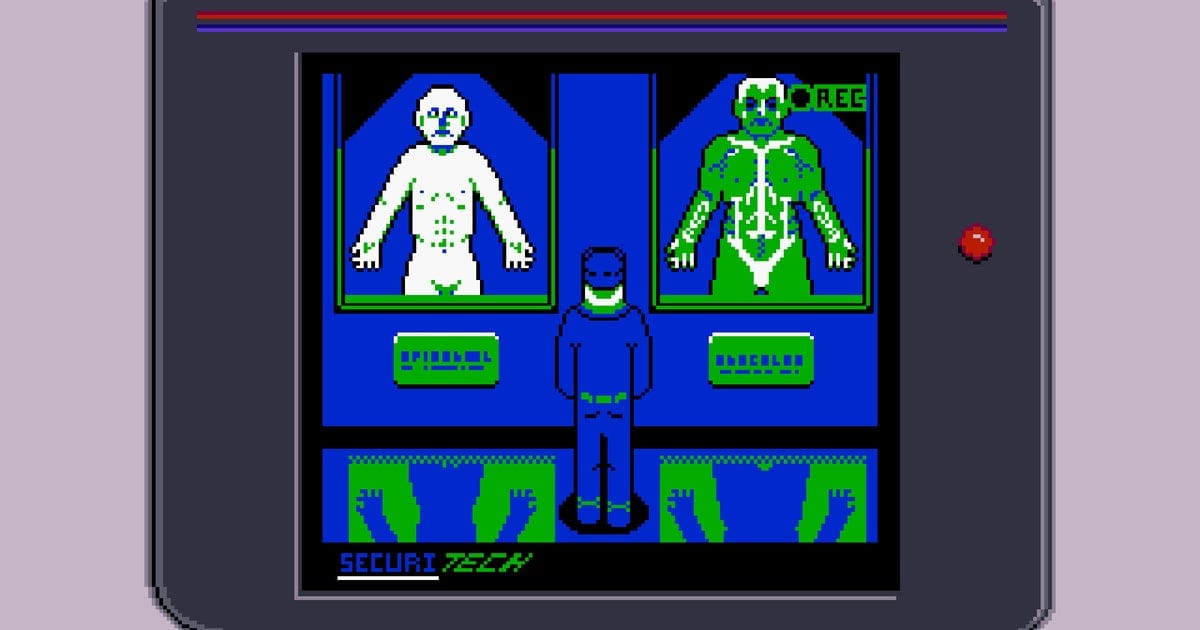
The new indie horror title, The Third Shift, is making waves by expertly blending Resident Evil-style fixed camera angles with point-and-click investigation, all rendered in a distinctive Game Boy aesthetic. What's particularly interesting is how it uses a "nested 10:9 display" to simulate a CRT monitor viewing experience, a clever touch that resonates with the display output preferences many of us pursue with modern IPS retrofit kits for original hardware.
Rock Paper Shotgun reports that the game casts players as a newly hired security guard at the Roanoke Museum of History. This museum, located on an island legendary for the mass disappearance of European settlers in the 16th century, provides a chilling backdrop. The game's introduction alludes to these historical events, though the immediate focus appears to be on more visceral horrors.
Players navigate a labyrinthine "Human Body exhibit," filled with plastinated cadavers presented as 8-bit single-screen layouts, according to Steam page. The Game Boy's original screen resolution of 160x144 pixels is a tight canvas, but The Third Shift uses this limitation to its advantage, creating unsettling, detailed scenes even within these constraints.
A New Angle on Game Boy Horror
Unlike many early Game Boy horror titles, which often felt like simplified versions of console games, The Third Shift builds its terror through clever perspective manipulation. The core gameplay loop involves viewing much of the museum through CCTV footage, complete with a blinking recording icon and vital stats scribbled on a notebook page. This "screens within a screen" approach is a fascinating technical choice, mimicking a security office setup.
This design choice means that fixed vantages and scrolling segments are not just stylistic; they are presented as the actual output of surveillance cameras. The game then plays with this idea, sometimes showing the player character from the supervisor's perspective. This creates a constant sense of being watched, or perhaps even watching oneself, adding a layer of psychological unease.
Surveillance and Shifting Perspectives
Not every area of the museum is under camera surveillance. When the player character is out of sight, the game shifts to a static first-person view. This transforms the experience into a point-and-click adventure, encouraging pixel-combing for hidden items like coins or notes under furniture. This shift in perspective is not merely cosmetic; it changes the gameplay mechanics entirely.
These unmonitored backroom areas allow for acts of disobedience, such as keeping a crowbar that the supervisor ordered to be returned to storage. More importantly, they bring the player "closer" to the macabre exhibits, using the increased screen space to dial up the detail and horror when something unexpected emerges from the shadows. The supervisor's inability to see these areas also introduces narrative tension, as they might doubt the player's accounts of what they encounter.
Beyond Fixed Camera Angles
The Third Shift excels at playing tricks with how spaces are perceived. The game revisits areas from different viewpoints, transforming a menacing locker room vista into an elevated cutaway shot. This suggests that each location holds multiple versions of itself, revealed through the glitchy, unreliable lens of the CCTV system.
This constant reinterpretation of space, combined with the unexpected third-person view flips when moving between screens, could complicate escape scenarios significantly. Imagine running from an abomination, only for the camera to suddenly shift, changing your perceived direction. It's a smart way to use perspective to increase player disorientation and fear, a technique that goes beyond simple jump scares.
Implications for Indie Retro Development
What this hints at, for the scene, is a growing sophistication in how indie developers approach retro aesthetics. The Third Shift isn't just a game with a Game Boy colour palette; it's a considered exploration of how the technical limitations and visual language of the original hardware can be used to enhance modern gameplay concepts. The use of a nested display to simulate a CRT is a nod to the purist's desire for authentic display experiences, much like how OSD firmwares on IPS screens aim to replicate scanlines and pixel grids.
This title demonstrates that the "Game Boy horror" subgenre can evolve beyond simple approximations of larger console games. By focusing on unique perspective mechanics and psychological tension, The Third Shift offers a compelling new direction. It will be interesting to see how the narrative unfolds, particularly with the "Mystery of Roanoke" exhibit at the museum's rear, which promises to bring the historical preamble to fruition. This game is certainly one to watch for fans of handheld horror and clever retro-inspired design. You can find more details about The Third Shift on its Steam page.
Pair the knowledge with the fit. Player Clothing t-shirts are individually numbered, limited-edition runs, retro DNA on cotton.
Follow RetroShell on X for daily retro gaming news. Join the community on r/RetroShell.
Originally published by Rock Paper Shotgun. Read original article.