Studio Ghibli's Unseen Hand in Magic Pengel

The quiet politics of preservation often mean that some of the most interesting collaborations, particularly those involving tangential creative input, can slip from public consciousness, becoming mere footnotes in the broader cultural narrative. Such is the case with Magic Pengel: The Quest for Color, a PlayStation 2 role-playing game from 2002, which benefited from the animation expertise of Studio Ghibli, a fact largely unrecognised by many enthusiasts.
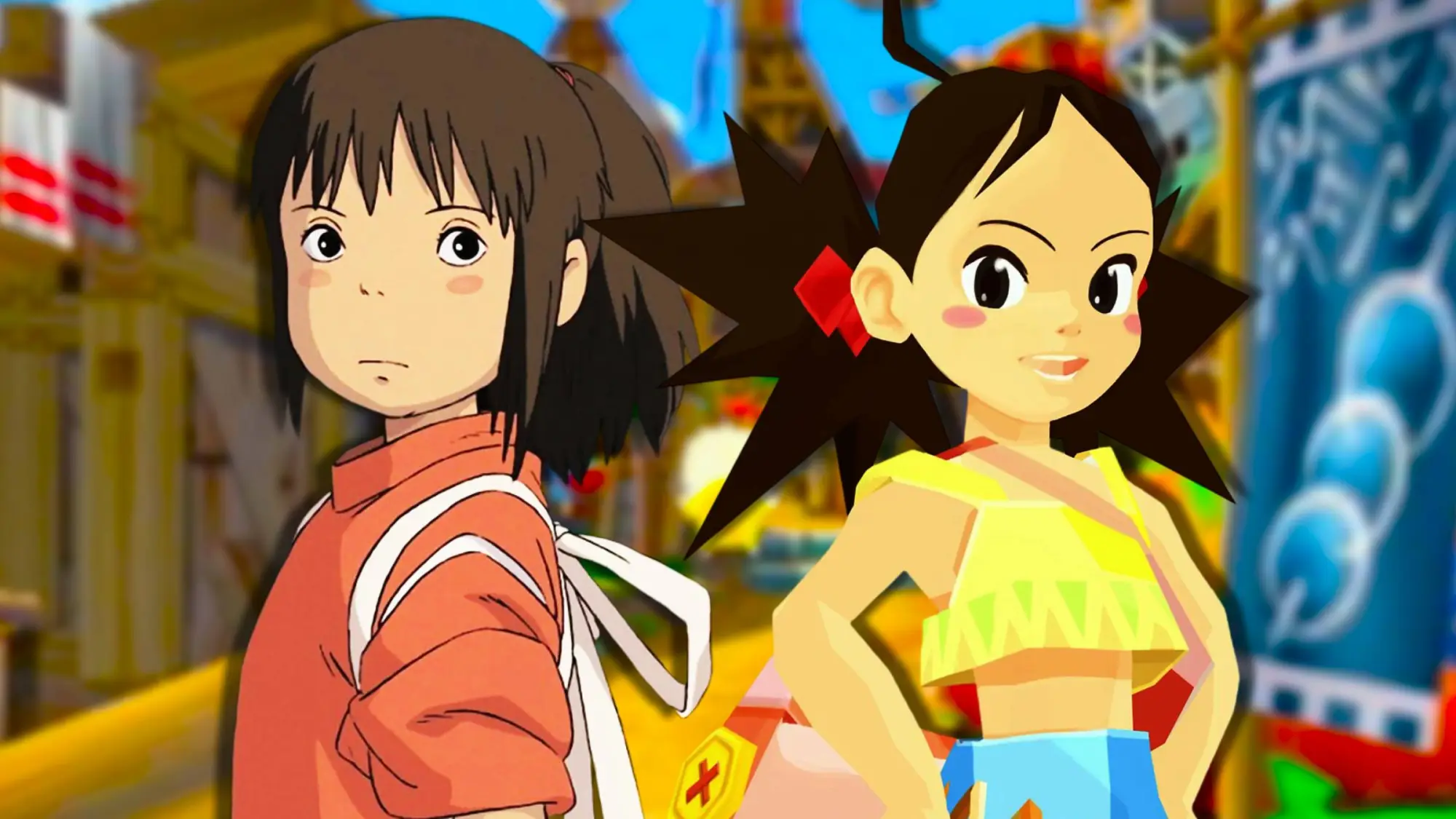
While Ni No Kuni: Wrath of the White Witch is widely known for its Ghibli animation, Magic Pengel represents an earlier, more obscure partnership. ComicBook.com/gaming reports that the beloved Japanese animation studio, famous for films such as My Neighbour Totoro and Spirited Away, lent its distinctive touch to this creature-collecting RPG. This involvement, though not central to the game's overall production, provides a fascinating glimpse into the studio's occasional forays beyond film.
Ghibli's Specific Contributions to the Project
Studio Ghibli's role in Magic Pengel was focused primarily on animation work, specifically the game's final animated cutscene. This sequence depicts the character Zoe embarking on an adventure, a moment imbued with the studio's characteristic warmth and visual flair. Several Ghibli veterans were credited for their work on this animation, including Hideki Hamasu, Osamu Tanabe, and Masashi Ando, individuals whose contributions to the studio's cinematic output are well-documented.
Perhaps the most notable Ghibli connection was Yoshiharu Satō, who served as Magic Pengel's art director. Satō's pedigree includes character design for My Neighbour Totoro and key animation roles on numerous Ghibli films, extending up to The Secret World of Arrietty. His influence on the game's aesthetic, even if limited to specific sequences, would have been considerable. Satō later continued his work as art director for Graffiti Kingdom, Magic Pengel's spiritual successor, and as character designer for the Nintendo DS title LostMagic, both published by Taito.
The Creative Core of Magic Pengel
Developed by Garaukta-Studio, Magic Pengel: The Quest for Color distinguished itself with a truly novel mechanic: players could draw their own creatures, known as Doodles, which would then be brought to life within the game. This drawing system was not merely cosmetic; each body part and colour chosen subtly influenced the creature's statistics, introducing an element of strategic design. The game then allowed players to battle these unique creations against pre-existing monsters, reminiscent of the Pokémon series.
The combat system itself offered more than simple rock-paper-scissors dynamics, incorporating numerous unique moves to maintain engagement. Despite its relatively short length and modest scale, the game offered a surprising amount of depth. The ability to create virtually any creature and see it animated, however simply, was a significant technical and creative achievement for a PlayStation 2 title. This core mechanic, the freedom of player expression, is arguably what has sustained its cult following.
Beyond the Visuals: Narrative and Sound
The Ghibli influence in Magic Pengel extended beyond direct animation contributions, permeating the game's narrative and character design. The cast of quirky characters, particularly Zoe, evokes the empowered female archetypes frequently seen in Hayao Miyazaki's films. The story itself, revolving around themes of creativity, youthful innocence, family, and resistance against an oppressive regime, aligns closely with the thematic concerns often explored in Ghibli's work. It is a narrative framework that feels distinctly Ghibli, even without the studio's full production oversight.
The game's soundtrack, composed by Taito's in-house band Zuntata, further enhances this atmosphere. Tracks like "Form of Energy" are described as bursts of joy, while "People Cannot Stop" reportedly evokes the melancholic, tear-jerking melodies characteristic of Ghibli's saddest moments. This musical accompaniment helps to transport players into a world that feels deeply connected to the animated films, creating an immersive experience that belies the game's commercial obscurity.
A Limited Release, A Lasting Impression
Magic Pengel: The Quest for Color saw only a limited release in North America and Japan, a factor that undoubtedly contributed to its relative anonymity. Its commercial performance was, to put it mildly, not a resounding success. This limited distribution meant that many potential players never encountered the game, consigning it to the status of a niche title. The real story here, beyond the mere fact of Ghibli's involvement, is how a game with such a distinct creative premise could remain so overlooked, a testament to the capricious nature of market penetration and the quiet work of cultural rediscovery.
Its sequel, Graffiti Kingdom, while sharing the Doodle mechanic, shifted its gameplay towards action and, according to ComicBook.com/gaming, lacked much of the original's charm. This divergence suggests that the unique blend of creativity and narrative found in Magic Pengel was a singular achievement, not easily replicated. The game stands as a quiet example of a title that, despite its commercial struggles, managed to carve out a dedicated following due to its innovative design and strong artistic direction.
Miyazaki's Stance and Future Prospects
Hayao Miyazaki, Studio Ghibli's co-founder, is famously not a proponent of video games, a stance reportedly influenced by a disappointing Nausicaä of the Valley of the Wind adaptation and a general aversion to technology. This perspective makes any Ghibli involvement in video game projects a rare occurrence. The studio's restructuring during Miyazaki's temporary retirement further complicated matters, with Level-5 founder Akihiro Hino implying this was why Ghibli did not return for Ni No Kuni 2.
Given Miyazaki's views and the studio's operational focus, it is unlikely that Studio Ghibli will engage in another major video game collaboration in the foreseeable future. This makes Magic Pengel and the first Ni No Kuni particularly significant as rare instances of direct Ghibli input. While many modern games draw inspiration from Ghibli's visual style and themes, direct studio involvement remains an anomaly.
The Enduring Appeal of Creative Risks
Magic Pengel: The Quest for Color serves as a compelling case study in the retro gaming space. It shows how innovative mechanics, coupled with strong artistic direction, can create a memorable experience even when commercial success is elusive. The game's blend of creature collection, player-driven design, and Ghibli-esque storytelling created something genuinely unique for the PlayStation 2 era. Its quiet success, measured in cultural resonance rather than sales figures, speaks to the enduring value of creative risks in game development.
For those interested in the more obscure corners of the PlayStation 2 library, or indeed, the subtle influences of major animation studios on the gaming medium, Magic Pengel offers a rich experience. It is a reminder that some of the most interesting titles are not always the most widely known, waiting instead for discovery by those willing to look beyond the mainstream. The game's legacy is not one of chart-topping sales, but of a distinct, charming, and quietly influential contribution to the RPG genre.
If you're here, you probably want the whole scene. Join the weekly roundup on Substack — it's free, arrives Monday, and skips the filler.
Follow RetroShell on X for daily retro gaming news. Join the community on r/RetroShell.
Originally published by ComicBook Gaming. Read original article.