
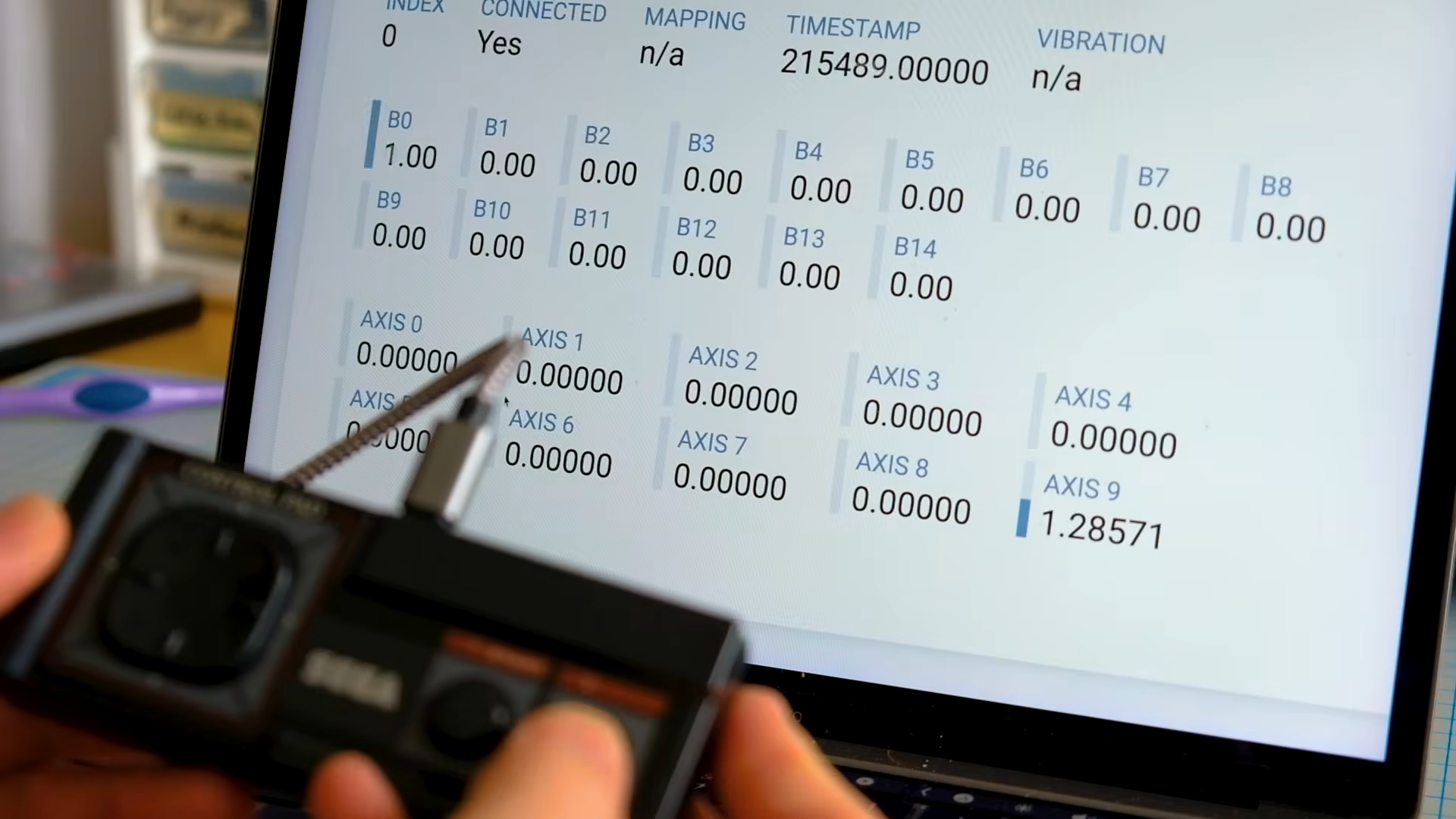
Sega Master System Controller Gains USB-C Connectivity

A recent hardware modification, detailed by Hackaday, has successfully integrated a USB-C port into a Sega Master System controller. This project, attributed to the maker known as [Retrostalgia], allows the original peripheral to connect directly to modern computers and emulators, a straightforward adaptation given the Master System's relatively simple controller protocol, which stands in stark contrast to the more complex serial communications or multiplexing found in later console designs.
Modernising Classic Hardware
The modification uses an RP2040 microcontroller, a small but capable device, to interpret the controller's inputs. The D-pad and action buttons are read via its General Purpose Input/Output (GPIO) pins. Once processed, the RP2040 presents itself as a standard Human Interface Device (HID) to any connected USB host, appearing as a basic game controller. This means the original hardware can be used with a wide array of modern systems without complex driver installations.
The Simplicity of the Master System Controller
The Master System controller's design is notably uncomplicated. There are no intricate protocols to decipher, nor complex analogue inputs to manage; it is primarily a collection of simple button presses. This inherent simplicity makes it an ideal candidate for such a conversion project. The physical integration involves fitting the RP2040 inside the controller housing and carefully routing the USB-C port to exit the top of the shell.
Beyond Basic Functionality
While the current modification focuses on basic functionality, the Hackaday report suggests avenues for further development. The idea of adding rumble feedback to a controller never designed for it is an interesting thought. Such an enhancement would, of course, require additional circuitry and a more involved physical modification, but it shows the potential for creative expansion beyond mere compatibility.
Extending Hardware's Lifespan
This kind of project, while seemingly minor in its scope, is critical for the long-term use and appreciation of original hardware. It is not merely about convenience; it is about extending the functional lifespan of these devices, allowing enthusiasts to experience classic games with the authentic feel of the original controller. This approach helps to preserve the tactile history of gaming, rather than relying solely on software emulation or modern reproductions. It is a quiet but important form of preservation, ensuring that the physical artefacts of gaming history remain usable and relevant.
Such efforts demonstrate a continued commitment within the retro gaming community to keep older systems alive and accessible. As technology progresses, these adaptations become increasingly important for bridging the gap between past and present hardware standards, ensuring that the original experience is not lost to obsolescence.
If you run Sega hardware, do the boxes a favour. Our Sega game protectors fit Megadrive, Saturn and Dreamcast cases, made in the UK from cast acrylic.
Follow RetroShell on X for daily retro gaming news. Join the community on r/RetroShell.
Originally published by Hackaday. Read original article.