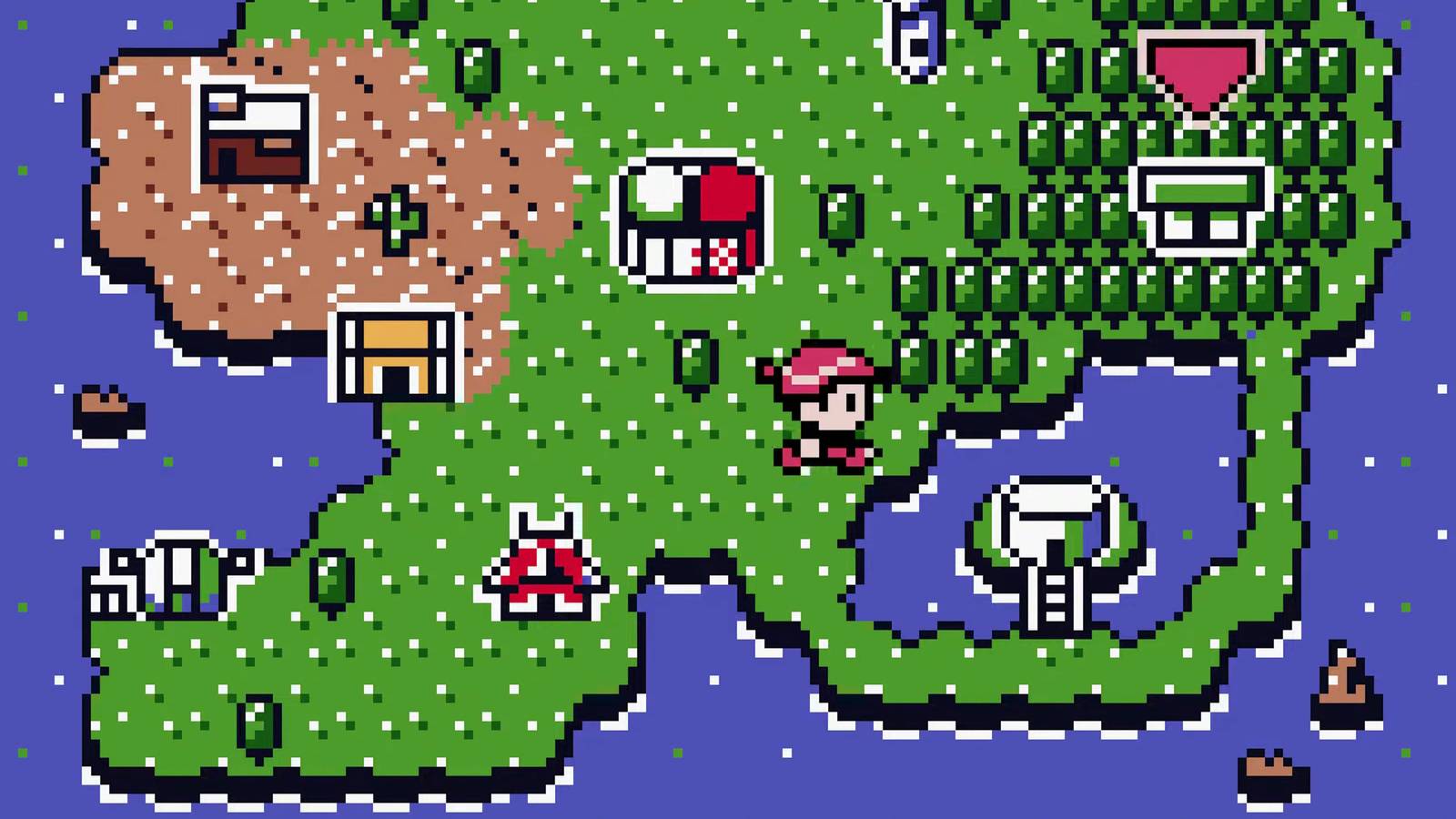
Pokémon TCG on Game Boy: A Deep Dive into a Handheld Gem
The Pokémon Trading Card Game on Game Boy Color holds a fascinating place in the handheld's history, arriving in the West in April 2000, well after the initial Pokémon craze peaked and just months before Nintendo announced the Game Boy Advance, a console that would push the GBC's 8.38 MHz Sharp LR35902 CPU to its limits. This unique RPG adaptation, developed by Hudson Soft, offered a compelling digital take on the popular card game, yet its late release meant many fans overlooked it. CBR Games recently highlighted the title's enduring appeal, prompting a closer look at why this particular spin-off remains a noteworthy experience for retro handheld enthusiasts.
A Late Arrival on the Game Boy Color
While the Pokémon phenomenon was in full swing globally, the Pokémon Trading Card Game for Game Boy Color had a staggered release schedule. It first launched in Japan in November 1998 as Pokémon Card GB, preceding the North American release of the physical Base Set cards. Western audiences had to wait until April 2000 for the localised version, by which time the initial fervour for Pokémon merchandise had begun to settle. This timing placed the game at a disadvantage, as the market's attention was already shifting. The Game Boy Color, with its 160x144 pixel screen and limited colour palette, was nearing the end of its commercial lifespan.
Hudson Soft's Take on Kanto
Interestingly, this Pokémon spin-off was not developed by Game Freak, the studio behind the main series RPGs. Instead, Hudson Soft, known for the Bomberman series and for publishing Game Freak's earlier title Mendel Palace, took the reins. Despite the change in developer, the game retained much of the charm and structure of the core Pokémon experience. It cleverly translated the card game's mechanics into an adventure format, mirroring the progression of Pokémon Red and Blue in many ways. This approach helped ground the card battling in a familiar narrative framework for players.
Building Your Digital Deck
The game begins with players meeting Dr. Mason, an analogue to Professor Oak, who offers a choice of three starter decks themed around Charmander, Squirtle, or Bulbasaur. This immediately establishes a connection to the main series' initial choices. Players then navigate a world where card clubs replace traditional gyms, each themed after a specific card type. Defeating club masters earns medals instead of badges, leading up to challenges against the Grand Masters, the game's equivalent of the Elite Four. The available cards are drawn from the first three physical TCG sets: Base Set, Jungle, and Fossil, providing a strong sense of familiarity for collectors.
The Game Boy's Final Years
The sales figures for Pokémon Trading Card Game are respectable, with approximately 3.7 million copies sold worldwide. However, this pales in comparison to the core Pokémon RPGs or even spin-offs like Pokémon Pinball, which moved over 5 million units. The game's late arrival coincided with a period when Nintendo had already announced the Game Boy Advance, shifting consumer focus to the next generation of handheld hardware. This meant many fans likely missed out on what was, by all accounts, a well-crafted and engaging title, simply due to market saturation and the anticipation of new technology. The Game Boy Color's final years saw a flurry of releases, but attention was already moving on.
Playing Today: Cartridges, Emulation, and Switch Online
For those looking to revisit Pokémon Trading Card Game today, several options exist. Original Game Boy Color cartridges can be found on the secondhand market, often for around £25-30, making it a relatively accessible physical title compared to some other retro games. For players who prefer digital methods, creating legally acquired digital backups of physical games allows for play on various emulation software or dedicated handheld emulation devices. These devices, like those from Anbernic or Miyoo, offer modern conveniences such as IPS screens and higher capacity batteries, making the experience more comfortable than on original hardware. A more straightforward route for many is the Nintendo Switch Online service, where the game has been available since 2023 as part of the Nintendo Switch Online + Expansion Pack. This version even includes online battling, a feature not present in the original Game Boy Color release, which relied on the Game Link Cable for multiplayer.
The Unseen Sequel: Pokémon Trading Card Game 2
While the first game is readily available, a sequel, Pokémon Trading Card Game 2: The Invasion of Team GR!, was released in Japan in 2001. This follow-up expanded on the original's formula, introducing new cards, including some from the Team Rocket set, and a longer story campaign. It is arguably a better game than its predecessor, refining the core experience. Unfortunately, this title never received an official Western release. The likely reason was the imminent international launch of the Game Boy Advance in June 2001; by the time a localisation process would have been completed, the market would have fully transitioned to the new hardware, making a Game Boy Color release commercially unviable.
Bringing Team GR's Invasion West
Despite the lack of an official English release, Pokémon Trading Card Game 2 is not inaccessible to Western fans. The dedicated fan community has produced a full English fan translation patch. This patch, applied to a legally obtained digital backup of the Japanese game's ROM, allows English-speaking players to experience the entire sequel. The process of patching a Game Boy ROM is quite straightforward, often involving online tools that apply the translation data to the original game file. This community effort ensures that a significant piece of Pokémon handheld history is preserved and enjoyed by a global audience, a common and vital practice in the retro gaming scene for region-locked titles. The sequel directly continues the first game's narrative, with a new antagonist group, Team GR, stealing cards and challenging the player.
A Lasting Legacy for Card Trainers
What this hints at, for the scene, is the enduring power of a well-crafted game, even when released under less-than-ideal market conditions. The fact that Pokémon Trading Card Game sold 3.7 million copies, despite the perceived 'fad' dying down and the Game Boy Advance looming, shows a dedicated player base willing to engage with quality software, regardless of the platform's age. This also shows the importance of fan efforts in preserving and expanding access to titles like its Japanese-exclusive sequel, ensuring that these experiences are not lost to time or regional release strategies. While modern mobile options like Pokémon Trading Card Game Pocket offer convenience, the original Game Boy titles, especially with the fan-translated sequel, provide a distinct and deep retro Pokémon experience that remains highly rewarding for card trainers seeking a different kind of adventure.
Keeping Nintendo boxes crisp? Our Nintendo game protectors are UK-made cast acrylic, sized for NES, SNES, N64, GameCube and handheld boxes.
Follow RetroShell on X for daily retro gaming news. Join the community on r/RetroShell.
Originally published by CBR Games. Read original article.