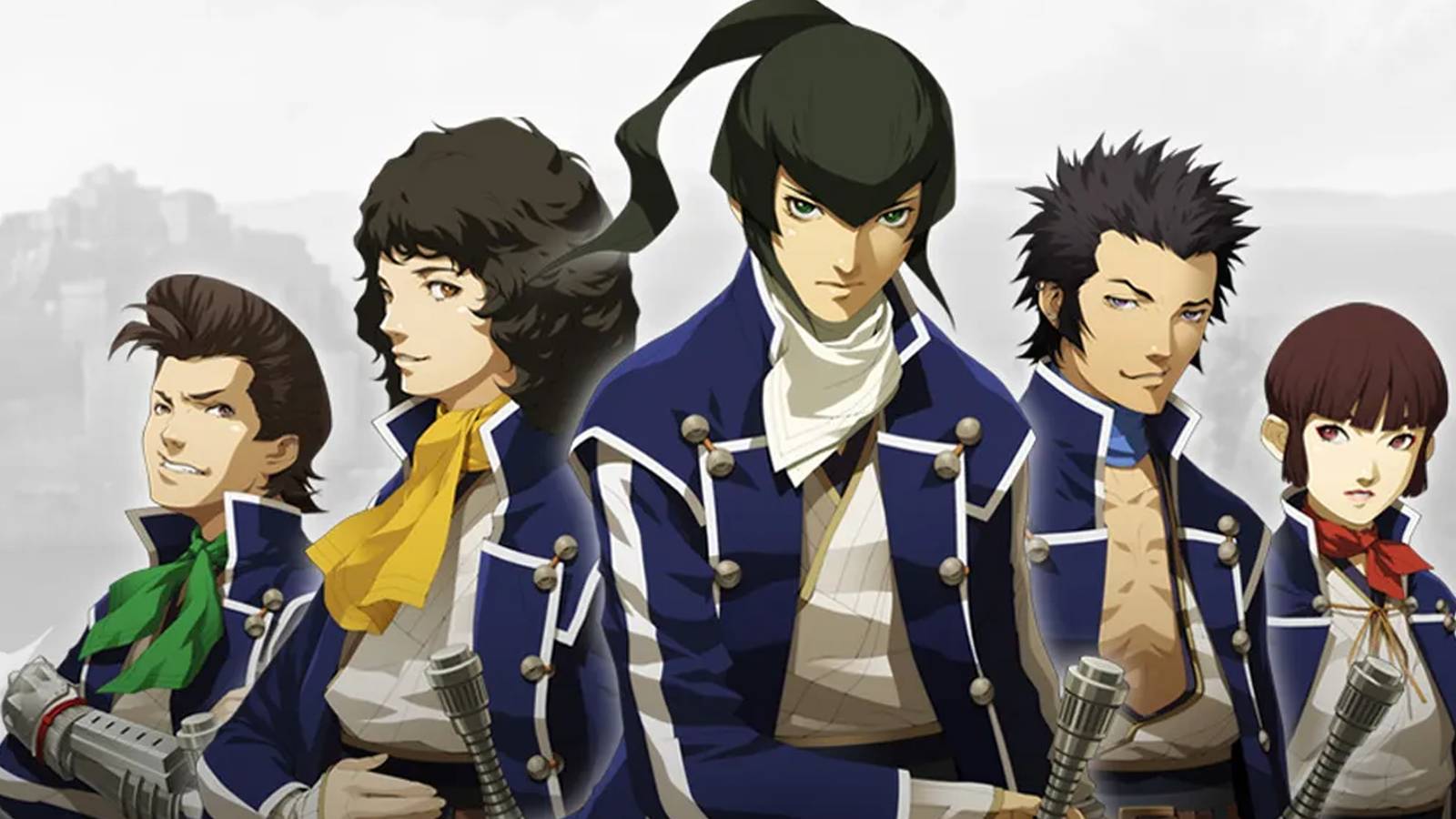
Obscure RPGs: The Unseen Gems of Retro Gaming

The commercial fortunes of a well-crafted game are often a capricious affair, dictated by factors far removed from its intrinsic quality. A recent report from CBR Games drew attention to a number of role-playing games that, despite their merits, have largely remained outside the mainstream consciousness, a phenomenon that speaks volumes about the challenges of market timing, platform exclusivity, and the often-overlooked politics of regional distribution. This is not merely a list of forgotten titles; it is an examination of the systemic hurdles that prevent certain works from achieving the recognition they might otherwise command, a quiet tragedy for both creators and potential players.
The Localisation Barrier: Bahamut Lagoon
One of the most prominent examples cited by CBR Games is Bahamut Lagoon, a Super Nintendo Entertainment System (SNES) tactical role-playing game from Square. Released in 1996, this title never received an official localisation outside of Japan. For many years, the only practical way for non-Japanese speakers to experience the game was through fan translations, a testament to the dedication of its nascent Western following. Even in its home territory, the game's re-release history has been sparse, appearing only on the Wii and Wii U Virtual Console platforms.
Bahamut Lagoon places players in a world of floating sky islands, where protagonists mount and fight alongside dragons. The game features an extensive dragon growth system, allowing players to feed items to their wyrm companions to evolve them into new forms. This level of customisation was quite advanced for its era. The lack of an official English release meant a significant portion of the global SNES audience simply never had the opportunity to play it, relegating it to a niche status that belies its quality.
Platform Traps: Shin Megami Tensei IV and Persona Q2
Atlus's Shin Megami Tensei franchise has found a substantial audience beyond Japan, largely due to the success of its spin-off, Persona. While Shin Megami Tensei III: Nocturne received a modern remaster, its successor, Shin Megami Tensei IV, along with its direct sequel Shin Megami Tensei IV: Apocalypse, remains confined to the Nintendo 3DS. This platform exclusivity effectively limits its reach in an era dominated by the Nintendo Switch and other contemporary systems.
Similarly, Persona Q2: New Cinema Labyrinth, a dungeon crawler merging characters from Persona 3 through 5, suffered a similar fate. CBR Games notes its release occurred at the very end of the Nintendo 3DS's lifespan, when many players had already migrated to the Switch. The commercial decision to launch a significant title on a sunsetting platform, even if the development cycle dictated it, often results in reduced visibility. What this hints at, for the scene, is a recurring challenge for titles released late in a console's cycle; they are often technically impressive but commercially disadvantaged.
Living in a Giant's Shadow: Final Fantasy Tactics Advance and Dragon Quest IX
Spin-offs often struggle to emerge from the shadow of their main series, particularly when the original is held in such high regard. Final Fantasy Tactics Advance for the Game Boy Advance (GBA) is a prime example. While the original Final Fantasy Tactics is widely considered a strategy role-playing masterpiece, the GBA iteration, despite its own merits, is frequently overlooked. It transported a group of children to the mystical land of Ivalice, introducing a rules-based combat system where all-powerful Judges dictated battle conditions, forcing players to adapt strategies on the fly.
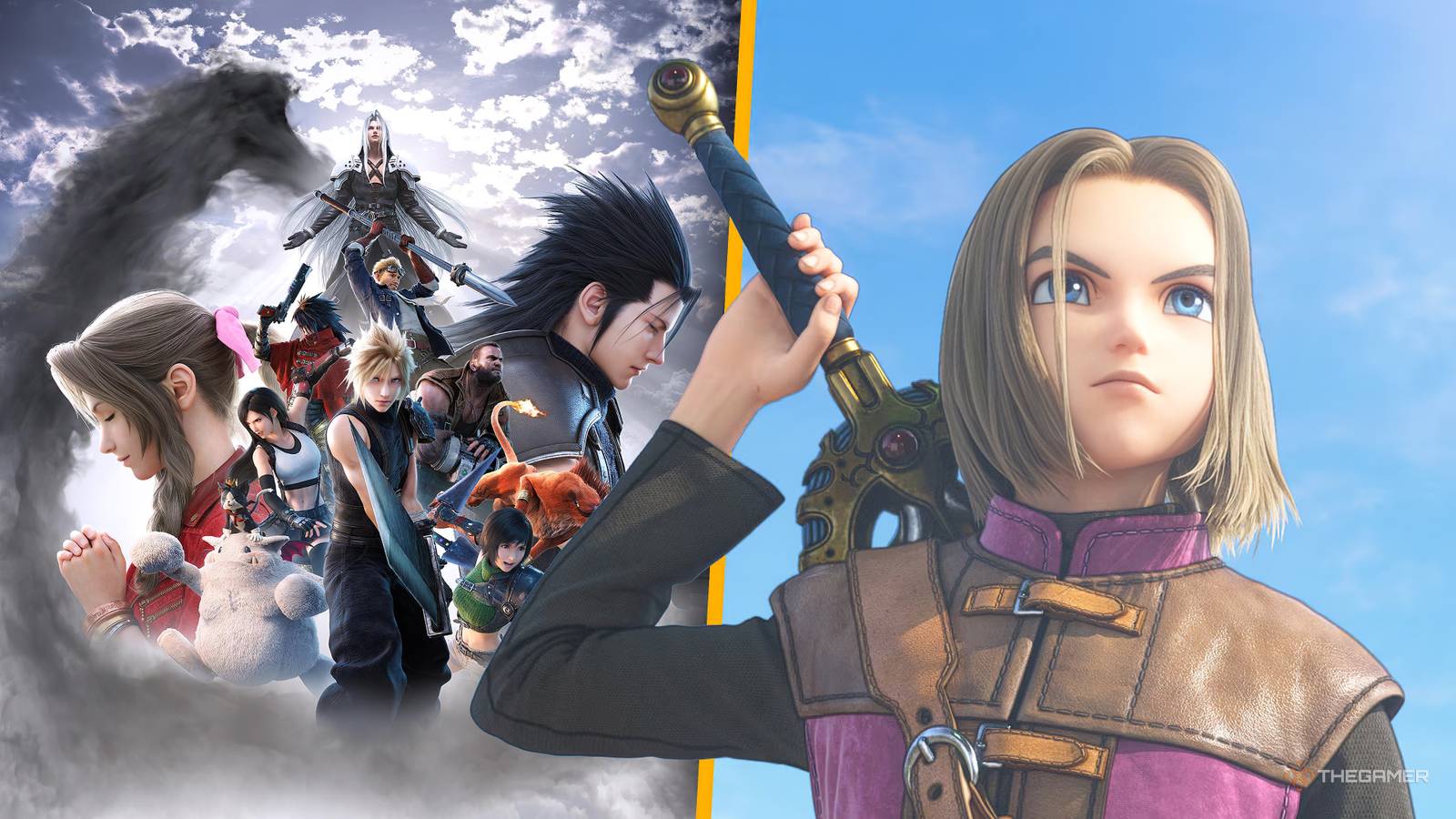
Another title facing similar obscurity is Dragon Quest IX: Sentinels of the Starry Skies. Released for the Nintendo DS in 2009, this entry in the long-running Dragon Quest series has yet to receive a new release or port. Square Enix has been diligent in remastering or remaking older Dragon Quest titles, yet Dragon Quest IX remains locked to its original hardware. The game's robust character class system and extensive dungeons offered considerable depth, making its continued absence from modern platforms a curious omission given the publisher's broader strategy.
The Predecessor's Plight: Vampire: The Masquerade - Redemption
Sometimes, a game is overshadowed not by its progenitor, but by a more successful successor. Vampire: The Masquerade - Redemption holds the distinction of being the first video game adaptation of the popular tabletop role-playing game. However, it is Vampire: The Masquerade - Bloodlines that typically receives the most acclaim. Redemption begins in the Dark Ages, following a crusader named Christof who becomes a vampire and embarks on a centuries-spanning quest for his lost love.
While CBR Games acknowledges Redemption may not reach the same heights as Bloodlines, it is still described as an excellent game in its own right. The narrative scope, spanning multiple historical periods, was ambitious for its time. Its relative obscurity is less about its inherent quality and more about the subsequent impact and cult status achieved by Bloodlines, which effectively redefined expectations for the franchise in video game form.
A Name and a Niche: Z.H.P. Unlosing Ranger vs Darkdeath Evilman
Nippon Ichi Software is known for its tactical role-playing games, particularly the Disgaea series. One of their spin-offs, Z.H.P. Unlosing Ranger vs Darkdeath Evilman for the PlayStation Portable (PSP), is often overlooked. CBR Games suggests its rather unwieldy title might be a contributing factor to its lack of broader recognition. The game stars a rookie superhero who, after being slain by the main villain, is resurrected and trained by a mysterious Super Baby.
Z.H.P. shares similarities with the Pokémon Mystery Dungeon games, offering extensive customisation options and base-building between missions. The game's quirky humour, including the ability to marry a penguin, sets it apart. The real story here is not simply that the game is good, but that its niche genre and memorable, if verbose, title likely contributed to it remaining a cult favourite rather than a mainstream success. This is a common pattern for titles that lean heavily into distinct aesthetics or mechanics.
The Wii U Effect: Tokyo Mirage Sessions #FE Encore
The commercial performance of a console can significantly impact the visibility of its exclusive titles. Tokyo Mirage Sessions #FE Encore, a fusion of the Fire Emblem and Shin Megami Tensei franchises, initially launched on the Nintendo Wii U. The console's limited sales meant the game, despite its quality, struggled to find an audience. Even a subsequent remaster for the Nintendo Switch, which added more content, did not fully rectify this.
CBR Games highlights its explosive combat system, Persona-style sidequests, and the inclusion of popular Fire Emblem characters. The game's J-Drama narrative, focusing on teens striving for stardom, offered a unique blend of genres and cultural influences. The fact that a Switch remaster, released on a vastly more popular platform, still struggled to gain widespread attention suggests that initial platform association can be a difficult perception to overcome, even with a second chance.
Indie Obscurity: Fear & Hunger and Look Outside
Independent titles face their own set of challenges in a crowded market. The Fear & Hunger series, often compared to Dark Souls for its grim settings and high difficulty, exemplifies this. CBR Games notes that Fear & Hunger 2: Termina is somewhat more forgiving for newcomers, but both games feature disturbing content that limits their appeal to a broader audience. Their niche, however, is precisely what makes them compelling for a dedicated player base.
More recently, Look Outside, an indie title launched in 2025, faced the unfortunate timing of releasing in the same year as highly anticipated games like Hades 2 and Hollow Knight: Silksong. This competition meant a genuinely unique experience, featuring a protagonist trapped in an apartment while a Lovecraftian entity turns neighbours into monsters, struggled for visibility. Its terrifying sprite artwork and unique premise, as described by CBR Games, make it a strong contender for a sleeper hit, but the sheer volume of releases can easily bury even the most deserving independent efforts.
The Enduring Value of the Overlooked
The cases highlighted by CBR Games collectively illustrate that a game's quality does not always guarantee its widespread recognition. Factors such as regional release strategies, the lifecycle of a console, the shadow cast by more famous siblings, or simply the sheer volume of competing titles all play a part. For players, this means a wealth of experiences often lies just beyond the most popular lists, waiting to be discovered.
For the preservation community, these overlooked titles represent a critical area of focus. Games trapped on older hardware, or those that never received official localisations, require dedicated effort to ensure they remain accessible to future generations. The ongoing work of fan translators, digital archivists, and those who champion re-releases is vital in ensuring these quiet successes are not entirely forgotten, allowing their cultural impact to grow over time, even if their commercial footprint was initially modest.
Wear the scene. Our Player Clothing line is a limited run, each t-shirt is individually numbered, designed for people who can still quote cartridge error codes from memory.
Follow RetroShell on X for daily retro gaming news. Join the community on r/RetroShell.
Originally published by CBR Games. Read original article.