
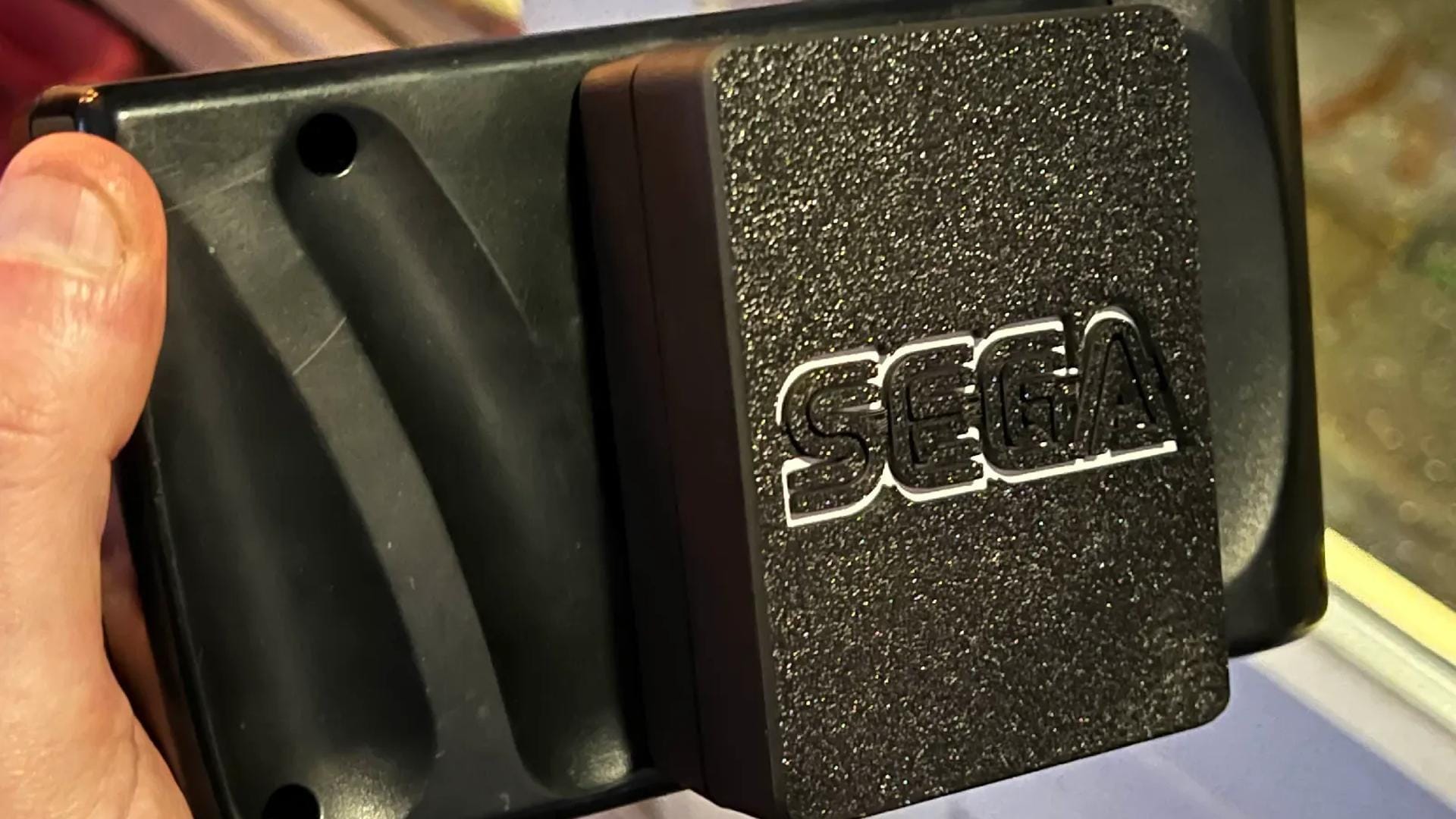
Open-Source Nomad Battery Pack Extends Console Life

The Sega Nomad, a portable iteration of the Mega Drive, has long presented a power conundrum for enthusiasts seeking untethered play. Now, Dennis van den Broek, known as Pointer Function, has released an open-source battery pack design, offering a community-driven solution to a console notorious for its prodigious appetite for AA cells. This development, under a Creative Commons 4.0 Licence, represents a quiet but significant step in preserving the practical usability of a machine that, while commercially unsuccessful, holds a distinct place in the console's lineage.
The design, detailed on Printables, uses readily available rechargeable 18650 batteries and charges via a modern USB-C connection. Van den Broek has provided several configurations, including options with or without a power switch, and designs that draw power either through the Nomad's rear expansion port or via an external cable. This flexibility allows modders to tailor the solution to their specific needs or existing modifications.
Addressing a Fundamental Flaw
The original Sega Nomad, released in 1995, was a technical marvel for its time, bringing the full 16-bit Mega Drive experience to a handheld format. However, its reliance on six AA batteries, which offered a mere two to three hours of playtime, proved a significant commercial impediment. This new open-source design directly addresses that fundamental flaw, making the Nomad a far more viable portable device for contemporary use. It moves the console from a curiosity often relegated to mains power to a genuinely portable system again.
The real story here is not just the technical ingenuity, but the broader implications for hardware preservation. By releasing these schematics and build instructions under a Creative Commons licence, van den Broek effectively future-proofs a critical aspect of the Nomad's functionality. This approach ensures that even if commercial solutions disappear, the knowledge and means to power these machines will persist within the community. It is a practical demonstration of how open-source principles can extend the lifespan of vintage hardware, moving beyond mere emulation to maintain physical playability.
Community Resilience and Practicalities
For those who prefer a simpler, off-the-shelf option, commercial alternatives like Greg's Nomad Pak have existed for some time, with RetroRGB noting its reliable performance over two and a half years. However, the open-source nature of van den Broek's design offers a different kind of value. It empowers individuals to build, repair, and even adapt the solution themselves, fostering a deeper engagement with the hardware. This communal sharing of designs is a hallmark of the retro gaming modding scene, where collective effort often outpaces corporate support for legacy systems.
A critical piece of advice from both van den Broek and RetroRGB concerns the procurement of 18650 batteries. The market is unfortunately awash with counterfeit cells, often advertised with wildly inflated capacities. A sensible rule of thumb, as suggested, is to be wary of any 18650 battery claiming a capacity above 3500 milliampere-hours (mAh), as these are almost certainly fraudulent. Ensuring genuine, high-quality cells is not merely a matter of performance, but also safety. This open-source battery pack, therefore, is more than just a mod; it is a statement about community resilience and the enduring appeal of a challenging, yet beloved, piece of hardware.
Want this but condensed? Sign up to the RetroShell weekly on Substack and we'll email you Monday with the best of the week.
Follow RetroShell on X for daily retro gaming news. Join the community on r/RetroShell.
Originally published by RetroRGB. Read original article.