
Unearthing CatGun: Victory Mission G, a Lost CD-i Shooter

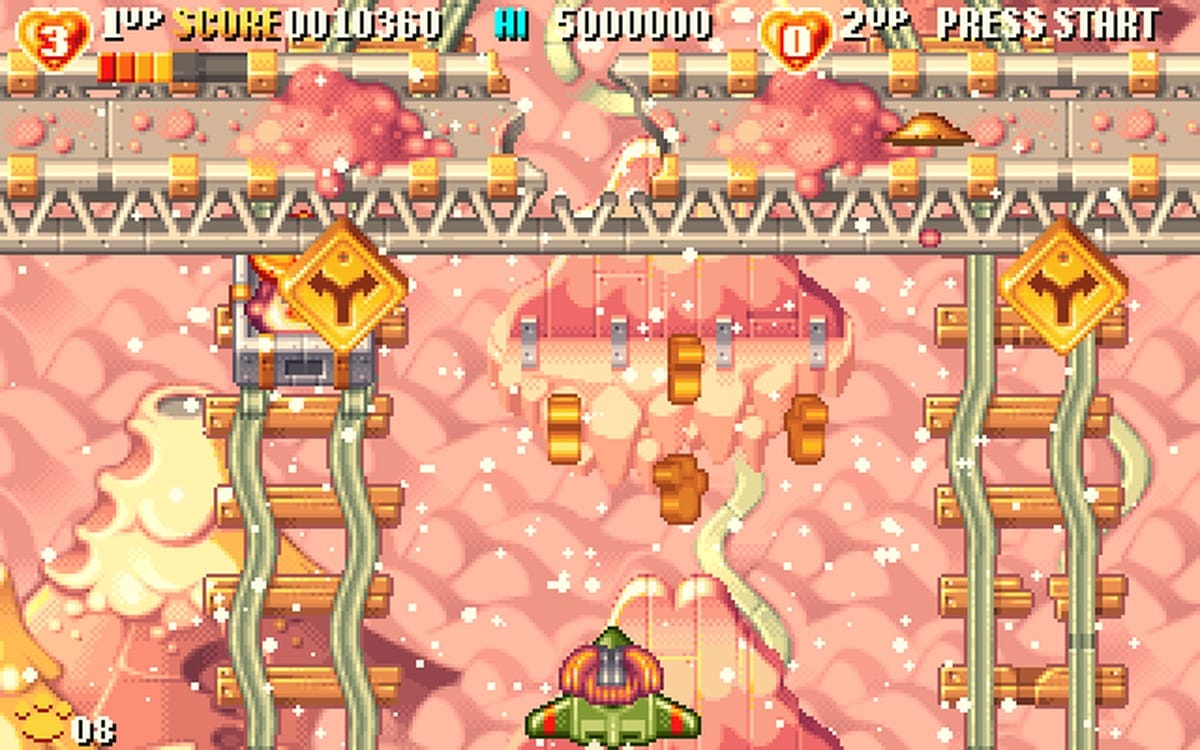
The recent documentation of CatGun: Victory Mission G, an unreleased shoot-'em-up for the Philips CD-i, offers a rare glimpse into the console's often-troubled development ecosystem, particularly its attempts to court third-party content beyond its well-known interactive movie offerings. This title, developed by PixelHazard, represents a significant addition to the growing archive of games that never saw a full commercial release on the platform.
According to Games That Werent, the game was developed around 1995-1996 by the duo Arjen Wagenaar and Luc S. Verhulst, known collectively as PixelHazard. Both had prior experience working on games for the Philips CD-i at The Vision Factory/SPC Vision, suggesting a familiarity with the console's unique technical demands. The music was composed by Hans Ouwejan and Felix Faassen, then known as E * Que/Logic Audio Music Production.
The game's premise involved the Cute Assault Team, or CATFleet, fighting against EvilNeko in the Cat's Eye nebula. Players would control characters like Nekomi, Okane, Miko, RX7, and Wazu, each equipped with a custom-designed CATGUN, to free moons and confront EvilNeko's base.
The project gained traction after being presented at a London game developers conference in early 1996. Philips Interactive's UK subsidiary reportedly signed a distribution deal with PixelHazard, a promising step for any independent developer on the CD-i. This promising start was, however, cut short. Philips underwent reorganisations, leading to the subsidiary's dissolution and the subsequent halt of CatGun's development.
What this hints at, for the scene, is a persistent effort to document the CD-i's full software history. This moves beyond its more infamous titles to uncover the breadth of its development ambitions. The cancellation of CatGun due to corporate restructuring, rather than technical failure or creative differences, is a common but no less frustrating narrative in the history of unreleased software. It shows how external business decisions could abruptly end projects that were otherwise progressing well.
The CD-i's Unseen Shooter
Two publicly available builds of CatGun exist, offering different stages of development. The earlier, from January 1996, is an unplayable demonstration build, likely intended for the London conference. It showcases one level from each stage, providing a snapshot of the game's intended scope. A later build, dated April 1996, is more substantial, featuring seven playable levels, including two boss encounters, alongside four unplayable 'demo' sections.
A Glimpse of Further Progress
Screenshots found in an aCDinteractive.co.uk thread suggest the existence of a third, more advanced build. These images show elements not present in the April 1996 version, indicating significant further progress. Regrettably, this particular build has not yet resurfaced, leaving a gap in the publicly accessible development timeline for CatGun: Victory Mission G.
The ongoing work by preservationists to unearth and document such titles is critical. It not only fills in the gaps of a console's library but also provides valuable insight into the creative and commercial pressures faced by developers during that era. The hope remains that the more complete third build of CatGun will eventually come to light, offering a fuller picture of this lost CD-i project.
RetroShell also makes museum-grade acrylic game protectors — UK-produced, cast acrylic, sized for every major console generation.
Follow RetroShell on X for daily retro gaming news. Join the community on r/RetroShell.
Originally published by Games That Werent. Read original article.