
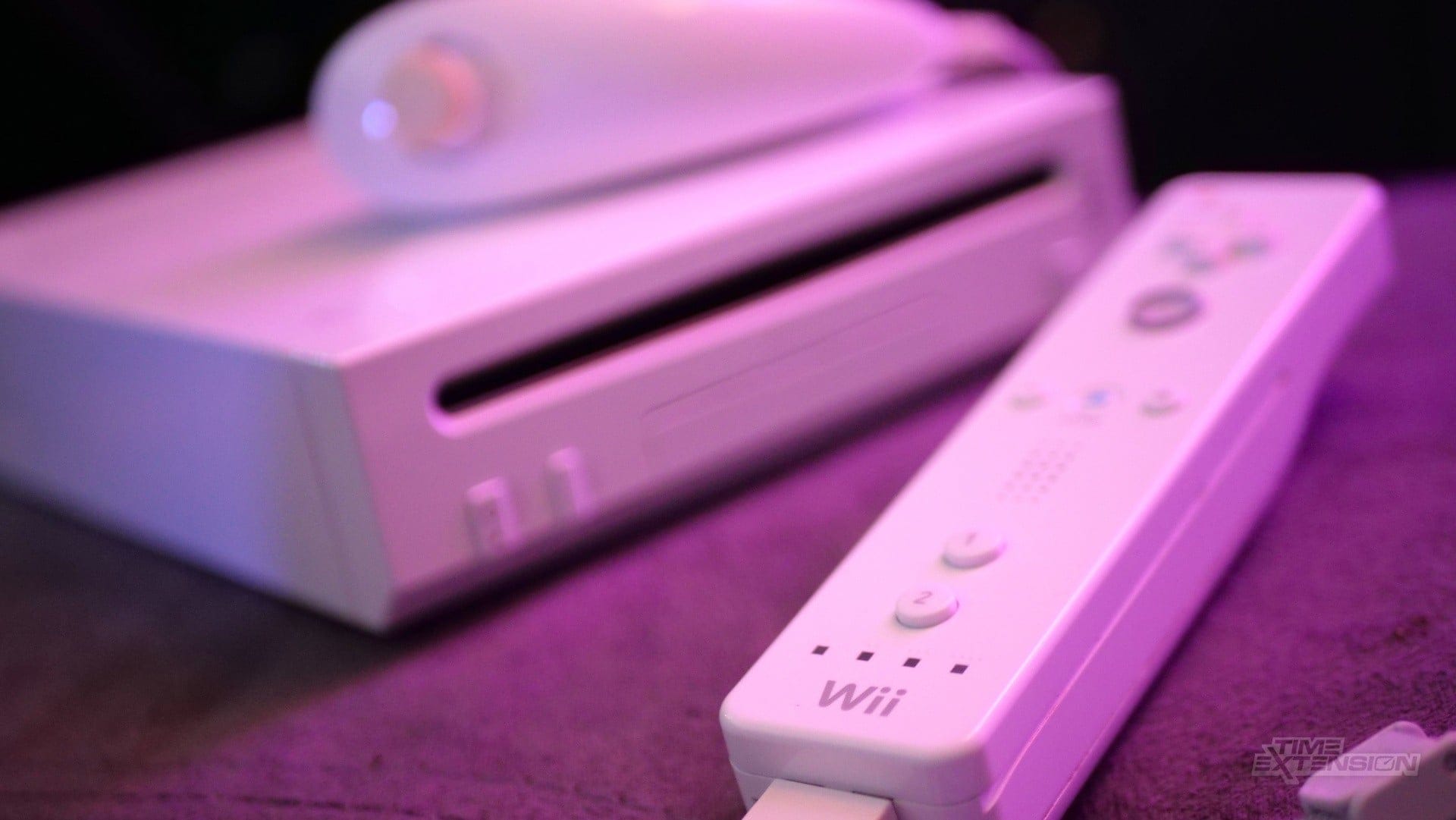
Wii USB-C Power Adapters: A Voltage Discrepancy Concern

The allure of modernising vintage hardware often extends to fundamental aspects like power delivery, a seemingly innocuous detail until one considers the precise voltage requirements of legacy systems. Recent reports highlight a concerning trend with aftermarket USB-C power adapters designed for the Nintendo Wii, where some units fail to meet the console's original specifications. This issue, brought to light by Time Extension, details how certain third-party cables are supplying an incorrect voltage, posing a potential risk to the console's long-term operational integrity.
Understanding the Voltage Discrepancy
The Time Extension article, referencing analysis from Consoles4You, indicates that these particular USB-C adapters are "built wrong". Instead of the 12 volts direct current (V DC) required by the original Wii power supply unit (PSU), these faulty replacements are reportedly outputting 15 V DC. This three-volt discrepancy, while perhaps not immediately destructive, introduces an undesirable electrical stress on the console's internal components. Consoles4You's investigation involved opening one of these cables to verify the lack of internal protection, confirming the design flaw.
Implications for Console Longevity
The real story here is not merely the immediate risk of catastrophic failure, but the subtle, cumulative stress such an overvoltage places on the Wii's internal power regulation circuitry and capacitors. Over time, this sustained higher voltage can accelerate component degradation, potentially leading to premature failure of the console's power management integrated circuits or electrolytic capacitors. This is a quiet form of attrition, rather than an abrupt end, which is perhaps more insidious for the preservationist. It is not a disaster, just a mistake in design that could have long-term consequences.
The Aftermarket Landscape and Quality Control
This situation underscores a broader challenge within the retro gaming aftermarket: the variable quality control of third-party accessories. While many manufacturers produce excellent, reliable modernisation solutions, the lack of consistent standards can lead to a "lottery" for consumers, as another Twitter user noted in the Time Extension report. The convenience of a slim USB-C power brick is undeniable, yet it should not come at the expense of hardware safety or longevity. Consumers are often left to discern quality without adequate technical information.
Advice for Wii Owners
For those who have already acquired a USB-C power adapter for their Wii, it would be prudent to test its output voltage before continued use. A simple multimeter can verify whether the adapter is supplying the correct 12 V DC. Should the adapter be found to output 15 V DC, discontinuing its use would be a sensible precaution to safeguard the console. The ongoing availability of such products necessitates a degree of caution and informed decision-making from the community.
This incident serves as a reminder that while modern conveniences can enhance the retro experience, a critical eye must be kept on the technical specifications of any replacement hardware. Ensuring compatibility and correct electrical parameters is paramount for the continued operation of these cherished systems.
RetroShell's Player Clothing drops are short-run and numbered, each shirt is a one-off piece. If the run closes, it's not coming back.
Follow RetroShell on X for daily retro gaming news. Join the community on r/RetroShell.
Originally published by Time Extension. Read original article.