
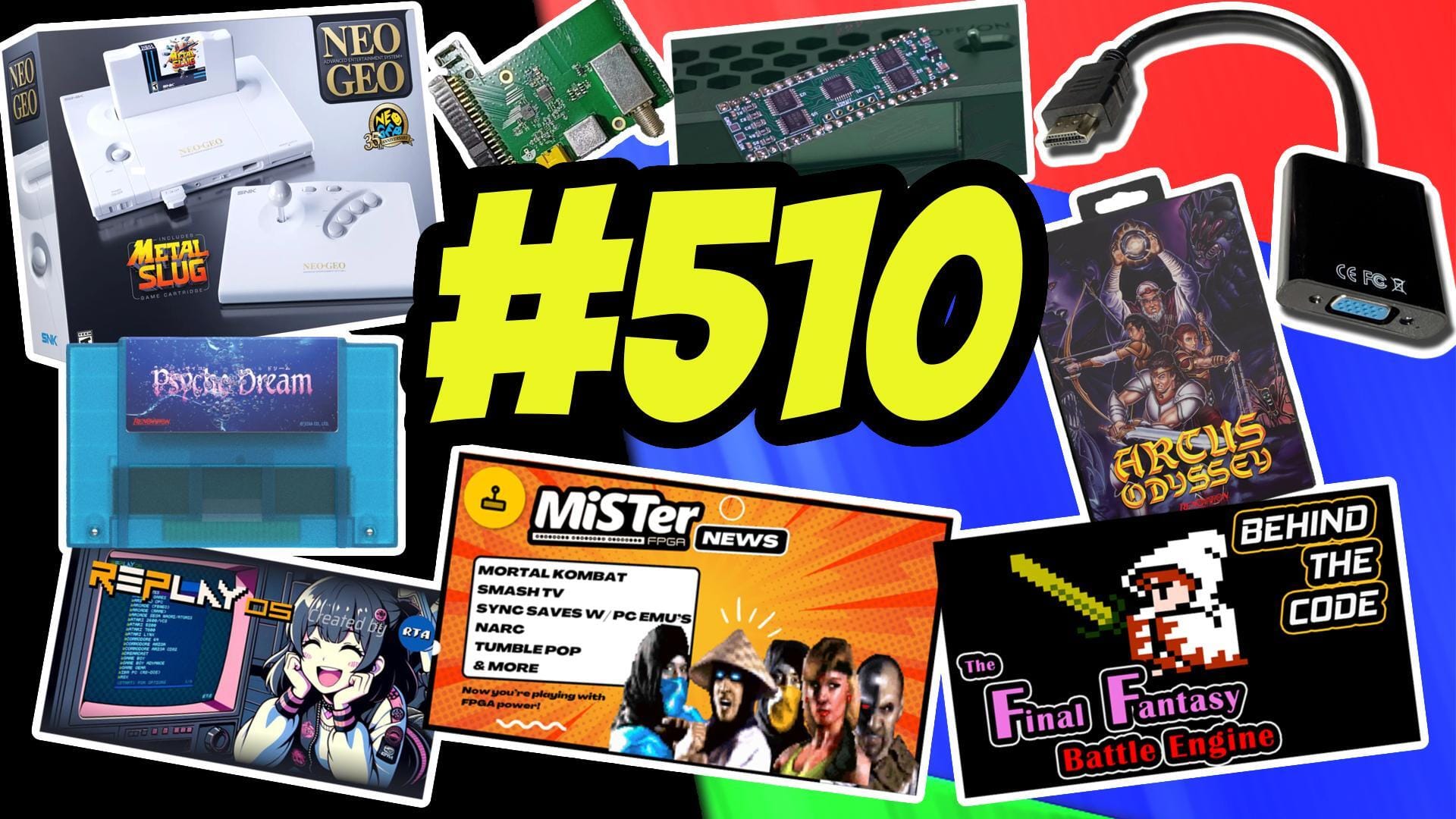
New Neo Geo AES and MiSTer FPGA Updates Emerge

RetroRGB's latest weekly roundup brings news for both hardware enthusiasts and FPGA aficionados, detailing a new official Neo Geo AES console and significant updates for the MiSTer platform. The prospect of a new AES unit, especially with SNK's involvement, always sparks discussion about original hardware versus modern recreations, much like the ongoing debate around the Analogue Pocket's FPGA cores and their cycle accuracy.
A Fresh Look at the Neo Geo AES
The new Neo Geo AES console, as reported by RetroRGB, marks an interesting development for collectors and fans of SNK's iconic arcade-perfect home system. This isn't a simple re-release; it's an officially sanctioned new hardware production. While specific technical details are still emerging, the critical question for purists will be the internal architecture. Will it feature a System-on-Chip, or SoC, design, or will it attempt to replicate the original discrete components, including the Motorola 68000 central processing unit running at 12 MHz and the Zilog Z80 sound co-processor at 4 MHz?
Understanding the component choices will be key to assessing its fidelity. The original AES, known for its robust build and cartridge-based games, has a dedicated following. Any new hardware must contend with the high standards set by its 1990s predecessor, particularly regarding video output quality and input lag. The modding scene has long focused on improving the original AES's video capabilities, often through RGB bypass modifications, so a modern solution needs to deliver from the outset.
MiSTer FPGA Continues to Evolve
Lu's MiSTer updates are particularly exciting for the FPGA community, with new features enhancing the platform's versatility. The ability to sync saves with PC emulators is a quality-of-life improvement that bridges the gap between dedicated hardware and software solutions. This kind of interoperability is a testament to the open-source nature of the MiSTer project, allowing for continuous refinement and expansion of its core library.
Further enhancements include improvements to various cores, such as the Mortal Kombat arcade core, ensuring more accurate gameplay and timing. The MiSTer platform, built around the Terasic DE10-Nano development board, continues to push the boundaries of hardware emulation, offering cycle-accurate recreations of classic systems. What this hints at, for the scene, is a growing convergence between dedicated FPGA hardware and the broader emulation ecosystem. The focus on features like save syncing suggests that developers are keenly aware of how users interact with multiple platforms, moving beyond the isolated experience of a single console or emulator.
The Broader Impact on Retro Gaming
These developments highlight two distinct but equally important facets of the retro gaming landscape: official hardware re-releases and community-driven FPGA advancements. The official Neo Geo AES demonstrates a continued interest from original manufacturers in their legacy, potentially offering a more accessible entry point for new collectors. Meanwhile, the MiSTer updates showcase the power of community development in pushing technical boundaries and improving user experience for existing enthusiasts.
For those of us who appreciate the technical intricacies, both paths offer compelling reasons to stay engaged. Whether it's the promise of a new, officially supported console or the continuous refinement of FPGA cores, the future of playing classic games with high fidelity remains bright. The ongoing work on MiSTer, in particular, with its focus on precise hardware replication down to the clock speeds and memory timings, ensures that these digital artefacts are preserved with an incredible level of accuracy for years to come.
If you're here, you probably want the whole scene. Join the weekly roundup on Substack, it's free, arrives Monday, and skips the filler.
Follow RetroShell on X for daily retro gaming news. Join the community on r/RetroShell.
Originally published by RetroRGB. Read original article.