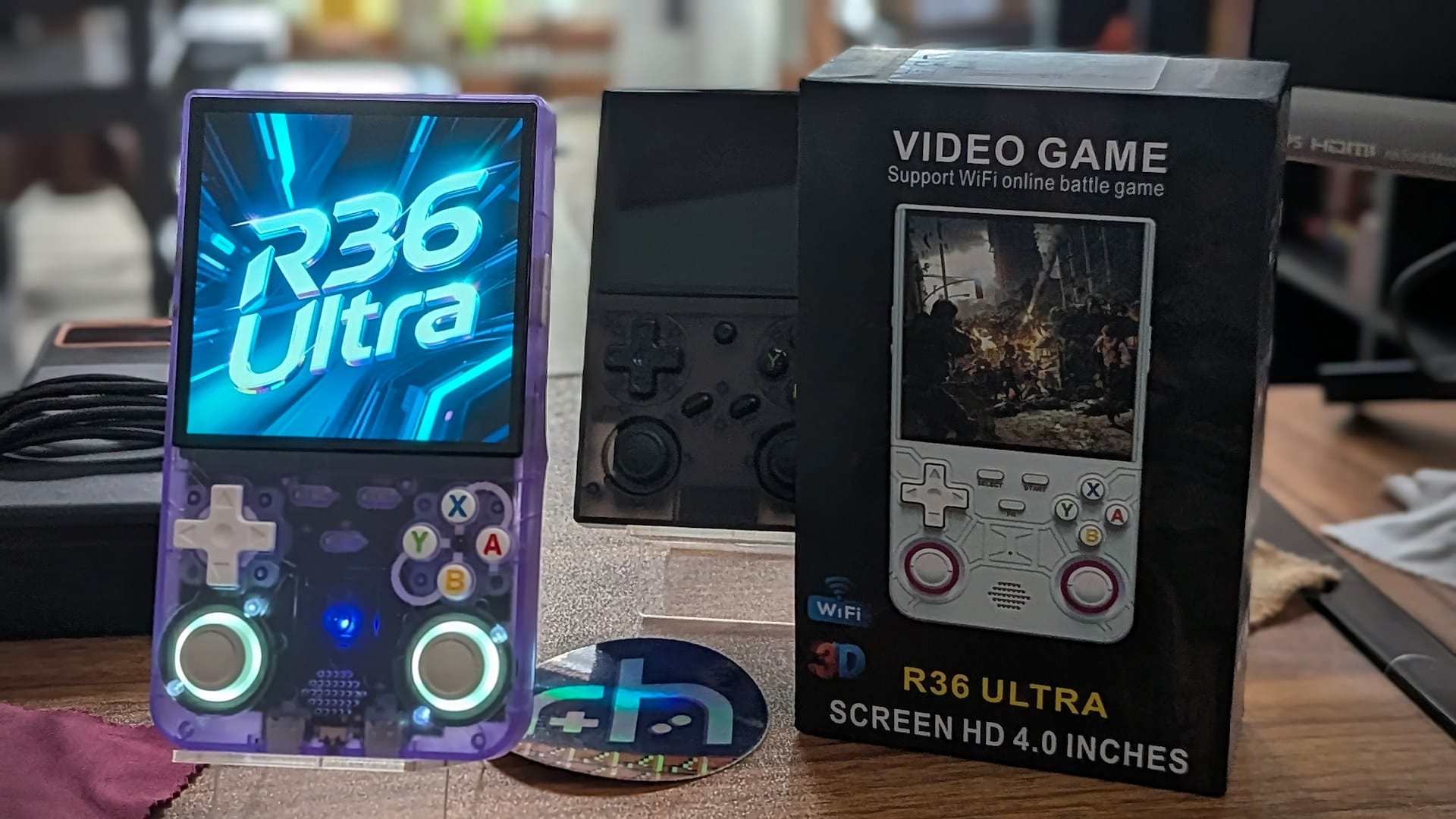
R36 Ultra Joins Crowded RK3326 Handheld Market

The continued proliferation of devices built upon the Rockchip RK3326 chipset, exemplified by the new R36 Ultra, suggests a market segment that prioritises sheer accessibility over any genuine innovation in hardware design or emulation fidelity. Retro Handhelds reports that this latest iteration offers little to distinguish itself from numerous predecessors, yet still presents a viable option for those seeking an entry point into portable emulation at a modest price point.
This device, much like its many brethren, adheres to a well-tested formula. It does not seek to redefine the budget handheld landscape. Instead, it offers a predictable experience, largely mirroring the R36S and R36 Plus models that have come before it. The primary differentiation, according to the source, lies in its new translucent colourways, a cosmetic rather than functional alteration.
Familiar Design and Material Choices
The R36 Ultra’s physical construction largely aligns with expectations for a device in its price bracket. The plastic shell, while described as somewhat creaky and inexpensive, is deemed robust enough to withstand minor impacts. This is a common characteristic among these budget-oriented units, where manufacturing costs dictate material selection and assembly tolerances. The source notes a minor but persistent issue with the battery compartment, which, while easier to access than on some earlier models, allows the battery to rattle within its housing. This is not a critical flaw, but rather a small imperfection that underscores the device's budget origins.
Input mechanisms on the R36 Ultra are reportedly identical to those found on the R36 Plus. The D-Pad and face buttons offer a serviceable, if somewhat stiff, experience initially, improving with repeated use. The choice of rainbow-coloured face buttons against a translucent purple shell is a subjective aesthetic decision, one that may appeal to some users more than others. However, the shoulder buttons, a frequent point of contention in this product line, remain as loud and clicky as on previous R36S devices. This consistency suggests either a deliberate design choice to maintain cost efficiency or a lack of impetus to address a known user complaint.
The Enduring Appeal of the RK3326 Chipset
The Rockchip RK3326 system-on-chip has become a ubiquitous component in the budget retro handheld sector. Its capabilities are well-documented, providing full emulation support for systems up to and including the original PlayStation, with some additional, albeit less consistent, performance for platforms such as the Sega Dreamcast and PlayStation Portable. This level of performance, while not cutting-edge, remains entirely adequate for a vast library of classic titles, which largely explains its continued adoption across numerous devices.
For those concerned about specific game compatibility, the community has provided invaluable resources. Retro Handhelds highlights GazousGit’s 36S Compatibility List, a comprehensive spreadsheet detailing how various titles perform on the RK3326 chipset. This community-driven effort is a testament to the dedication of enthusiasts who often fill the gaps left by manufacturers in terms of detailed performance data. It is worth noting that such community contributions are often what elevate these budget devices from mere hardware to genuinely usable emulation platforms.
Audio and Visual Performance Considerations
Audio output on the R36 Ultra is described as serviceable. A single front-facing speaker provides adequate sound for casual gaming sessions, with minimal reported issues such as pops or hissing during testing. While no one expects high-fidelity audio from a sub-$40 device, the inclusion of a 3.5mm auxiliary port allows for a more refined listening experience via headphones. This pragmatic approach to audio, prioritising functionality over premium features, is entirely consistent with the device's market positioning.
The display, however, stands out as a particular strength. The R36 Ultra features a 4-inch (10.16 cm), 720x720 pixel, 1:1 aspect ratio screen. The source praises its vibrant colours and its ability to render older titles effectively. In a segment often plagued by compromises, a high-quality display can significantly enhance the user experience, making it one of the more compelling aspects of this particular device. The exact panel used is not specified, but its performance is noted as superior to many other budget handheld screens.
Software and Community Firmware
The R36 Ultra operates on a custom Linux-based operating system, utilising the EmuELEC frontend. The device typically ships with a 64 gigabyte (GB) collection of ROMs, encompassing a wide array of classic systems and a curated selection of titles for more demanding platforms like Dreamcast, Nintendo DS, and PSP that are known to run acceptably on the hardware. While the stock operating system is deemed functional, the article points to the rapid emergence of custom firmware options from community sources. This is a common pattern in the budget handheld scene, where enthusiast-developed firmware often significantly improves performance, adds features, and enhances the overall user experience beyond what the manufacturer provides.
What this hints at, for the scene, is a reliance on collective effort. The hardware provides a foundation, but the community often builds the more robust and user-friendly software infrastructure. This symbiotic relationship between low-cost hardware and dedicated software development is a defining characteristic of the budget emulation landscape. It allows devices with modest specifications to punch above their weight, culturally if not always technically.
Market Dynamics and Value Proposition
The market for RK3326-based handhelds is undeniably crowded. The source attributes this saturation, in part, to a "RAMpocalypse" and other fluctuations in hardware costs, which have made these established chipsets a reliable, cost-effective option for manufacturers. The R36 Ultra's value proposition hinges almost entirely on its price. The review notes a purchase price of $38 during an April AliExpress sale. This figure, however, is subject to the volatile nature of component costs and global supply chains. Historically, similar devices, such as the R36S, have been available for as little as $19 during sales, a price point that now seems to be a relic of a bygone era.
For existing owners of RK3326 devices, the R36 Ultra offers little compelling reason for an upgrade, beyond a preference for its new aesthetic options. Its primary audience appears to be newcomers to the emulation scene or those seeking an affordable gift. The device is capable, certainly, but it is not a revelation. It is a predictable, if competent, addition to a segment that values accessibility and affordability above all else. The R36 Ultra, despite its name, is not a significant leap forward; it is merely another iteration in a long line of devices that continue to make retro gaming accessible to a broader audience, albeit without pushing any boundaries.
Wear the scene. Our Player Clothing line is a limited run, each t-shirt is individually numbered, designed for people who can still quote cartridge error codes from memory.
Follow RetroShell on X for daily retro gaming news. Join the community on r/RetroShell.
Originally published by Retro Handhelds. Read original article.