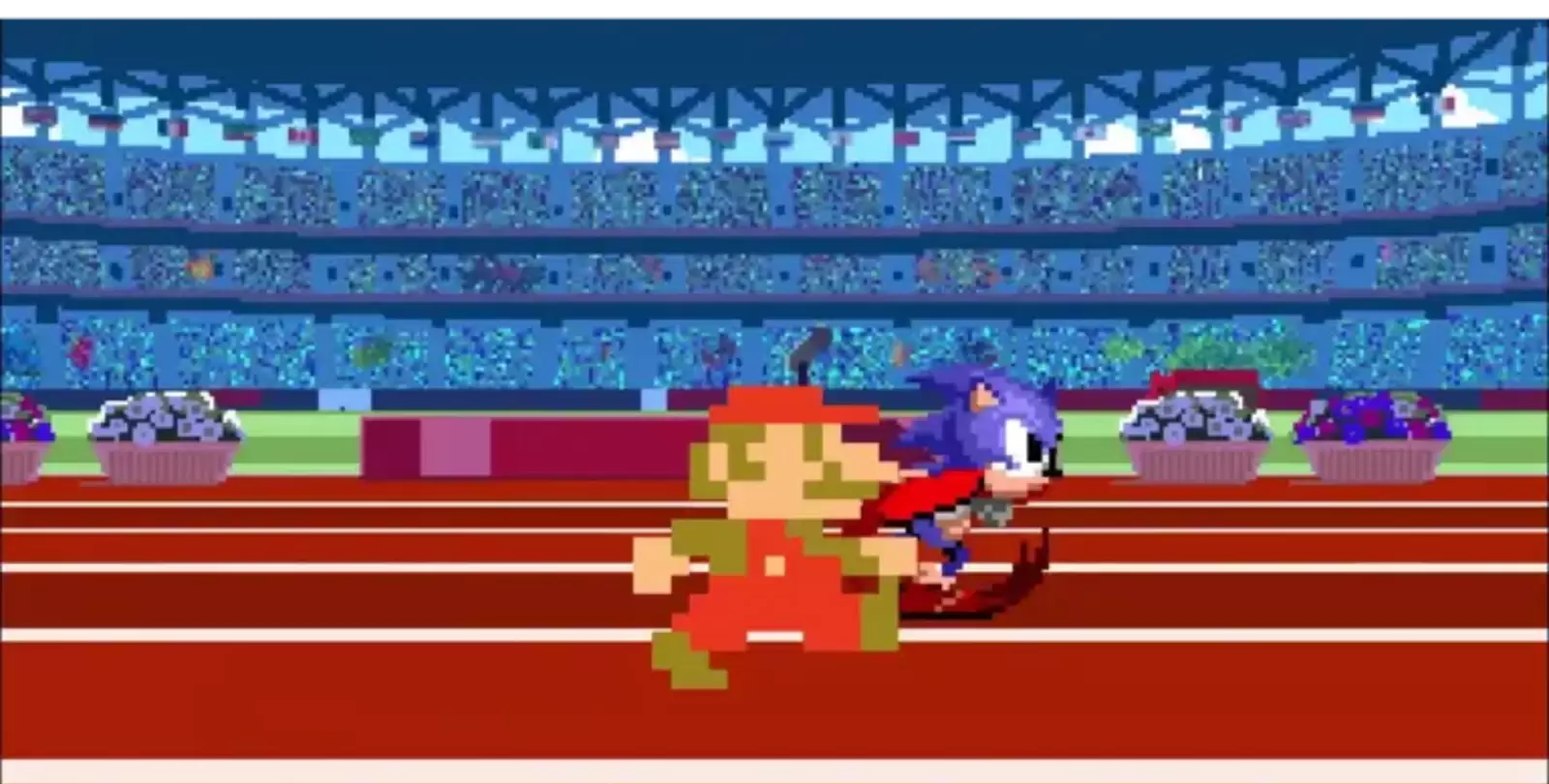
Mario and Sonic Ended the Console War
For retro gamers in the UK and beyond, the Nintendo and Sega rivalry still defines the 16-bit era. Sega's aggressive marketing around the Genesis, known here as the Mega Drive, pushed Sonic as the cool alternative to Mario and helped shape how a generation saw console loyalty.
That rivalry did not last forever. Sega's later consoles, the Sega Saturn and the Dreamcast, struggled against Sony's PlayStation and Nintendo's own systems. By 2001, Sega had left the hardware business and become a third-party developer, which meant Sonic would soon appear on rival platforms.
The moment that many fans now point to as the end of the console war came during a meeting at Nintendo of America. Former Sega executive Mike Fischer told Sega-16 that Sega brought a Sonic mascot costume to the meeting, and Nintendo had a Mario mascot waiting at the door. Mario greeted Sonic with a hug, and Fischer said he was moved by the scene.
Minoru Arakawa, founder and president of Nintendo of America, was there to witness it. His presence mattered, because it showed the gesture came from the top rather than being a throwaway PR stunt. It was a clear sign that the old hostility had given way to something more respectful.
For collectors and long-time fans, the hug carried real weight. It gave people permission to enjoy both sides of the old rivalry without treating it like a betrayal. It also helped reframe the 16-bit years, not just as a war, but as the start of a longer shared history between two of gaming's biggest names.
The relationship that followed led to crossovers that would have seemed impossible in the early 1990s. Mario & Sonic at the Olympic Games brought the mascots together officially, Sonic appeared in seven Olympic spin-offs, and he later joined Super Smash Bros. Brawl. Today, Sonic appears more often on Nintendo hardware than he ever did on Sega's own Dreamcast.
For more RetroShell coverage, see our news page and our feature on a former Nintendo UK executive's handheld wars thriller. The original report was published by Yardbarker Video Games, and you can read the source here.