Kai Magazine Software Faces Artwork Theft Claims

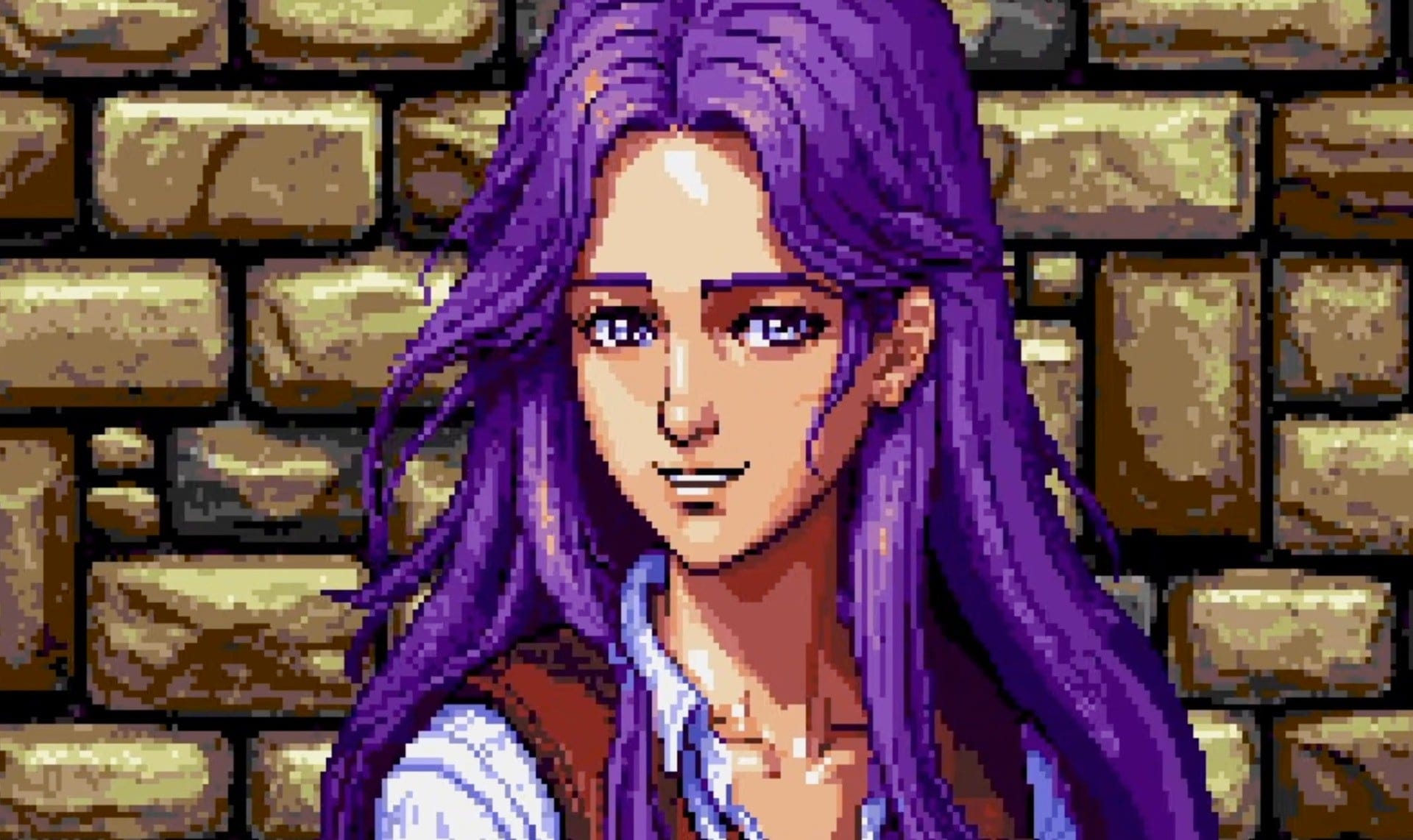
In the retro gaming scene, trust matters, and that is why the allegations around Kai Magazine Software have drawn so much attention. The developer, known for Sega Genesis homebrew titles, is facing claims of using stolen and AI-generated artwork in games including Death & Lead, also referred to as Dead & Lead.
TimeExtension reports that YouTuber Goati_ compiled a detailed look at the issue, while retro developer and fan translator Krokodyl first raised concerns on BlueSky. Krokodyl said the game used assets traced from existing sprites and AI-generated backgrounds. The title is priced at €60, which has sharpened the reaction from collectors and fans.
According to the claims, the artwork in question includes material traced from classic games such as Shinobi III (1993) and Wild Guns (1994). Krokodyl also pointed to alleged copying from Vietnamese pixel artist Dwayne Tran. Tran confirmed that a locomotive in the game was traced from his original artwork and said he had not heard of Kai Magazine Software or given permission for commercial use.
Further allegations have also been made about another Kai Magazine Software release, Metal Dragon, a Sega Genesis, or Mega Drive in Europe, action game. BlueSky users including Krokodyl and IkariDC identified traced artwork in that title too, with claims that it borrowed from Sega's Tough Turf (1989) and from a background made for Cardboard Sword's indie game The Siege and The Sandfox. Cardboard Sword CEO Olly Bennett confirmed the company was unaware of the use and had not granted permission.
The issue has wider implications because two Kai Magazine Software games, Metal Dragon and Life On Mars, are available on Evercade cartridges. TimeExtension says it contacted Evercade maker Blaze for comment, but the company declined to respond. Kai Magazine Software has also not replied to multiple requests for comment.
For readers following retro releases in the UK and beyond, the story is less about one game and more about provenance. Commercial homebrew sells on originality, and when artwork is allegedly lifted without credit or permission, it can damage confidence in the whole market. For more RetroShell coverage of similar stories, see our News tag page.