
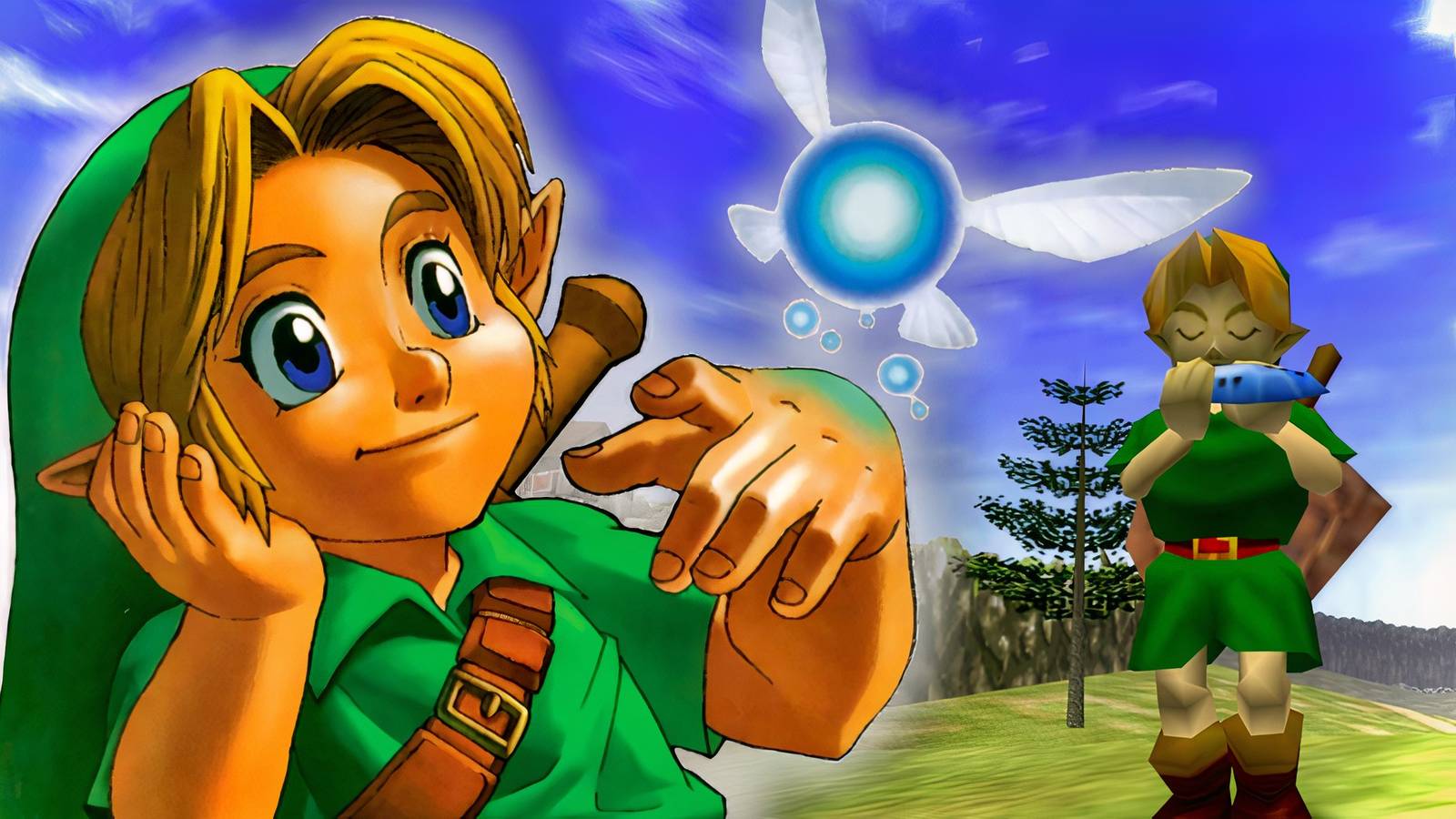
Fan Remake of Ocarina of Time Elevates N64 Classic
YouTube creator cryzenx has unveiled a fully playable fan remake of The Legend of Zelda: Ocarina of Time, built from the ground up in Unreal Engine 5. This project significantly elevates the visual fidelity beyond the original Nintendo 64 release, showcasing what a modern engine can achieve with classic game design. The ambition to recreate such an expansive 3D world, originally rendered with low-polygon count models and basic texture mapping on the N64's 4MB Rambus RDRAM, is a technical feat for any solo developer.
As first reported by CBR Games, the fan-made Ocarina of Remake demonstrates clean, high-resolution graphics. These visuals surpass both the Nintendo 64 original and the official The Legend of Zelda: Ocarina of Time 3D remake for the Nintendo 3DS. This visual upgrade reimagines familiar locations such as Death Mountain and Lake Hylia with contemporary rendering techniques. Players can still expect the core adventure, accompanying Navi and working with Sheik to prevent Ganondorf from conquering Hyrule.
Modern Engine, Classic Hyrule
Unreal Engine 5, a powerful game engine known for its advanced graphics capabilities, allows for detailed environments and character models that were simply not possible on 1990s hardware. The original N64 version, released in 1998, pushed the console's limits with its 93.75 MHz NEC VR4300 CPU and 4MB of Rambus RDRAM. While impressive for its time, its output was limited to a maximum resolution of 640x480 pixels, often lower in practice, with a typical frame rate of 20 frames per second (fps). cryzenx's work highlights the potential for fan communities to breathe new life into beloved titles, even without official backing.
What this hints at, for the scene, is a growing trend of fan-driven preservation and enhancement that often outpaces official efforts. While Nintendo has its own development cycles and priorities, the community can iterate rapidly, using readily available tools like Unreal Engine 5. This creates a fascinating parallel development track, where fans explore technical possibilities that might not fit a corporate roadmap.
The Broader Landscape of Fan Projects
This Ocarina of Time project is not an isolated incident. The Zelda community, in particular, has a long history of creating its own games and modifications. Beyond this remake, there are currently two separate PC ports of The Legend of Zelda: Twilight Princess in development. Furthermore, both Twilight Princess and The Wind Waker have been made playable on the Nintendo Switch through emulation, a proof of the dedication of the homebrew scene.
These community efforts often push the boundaries of what is technically feasible on target hardware or, in the case of remakes, what is visually achievable with modern engines. The continuous cycle of fan innovation ensures that these classic games remain relevant and accessible to new generations of players, often with significant quality-of-life improvements.
As Nintendo celebrates The Legend of Zelda's 40th anniversary, fan projects like cryzenx's Ocarina of Remake demonstrate the enduring passion for the series. Whether an official Ocarina of Time remake materialises in 2026 or not, the community will continue to explore, enhance, and rebuild these titles. This ongoing fan engagement ensures that the legacy of games like Ocarina of Time is not just preserved, but actively evolved.
RetroShell makes the Nintendo protector set collectors actually reach for — precision-cut, British production, ships worldwide.
Follow RetroShell on X for daily retro gaming news. Join the community on r/RetroShell.
Originally announced by Nintendo · first reported by CBR Games.