
ZPF Megadrive Shoot 'em Up Offers Nostalgia, Lacks Depth

The release of ZPF, a new shoot 'em up for the Sega Megadrive, as reviewed by GameGrin, presents an interesting case study in the often-misunderstood art of retro-inspired game design, particularly concerning the subtle politics of leaderboard integrity. This title seeks to evoke a specific era of arcade-style challenge, a period before the widespread adoption of modern difficulty metrics.
GameGrin reports that ZPF offers a straightforward premise. Players control a small ship, navigating through waves of enemies across several levels. The primary objective, according to the review, is not to follow a narrative but to achieve the highest score possible on a leaderboard.
To succeed, players must master dodging incoming attacks while using a main gun, a melee attack, or a limited supply of bombs. The design is not complex, but the enjoyment comes from the repeated attempts to improve one's performance. The controls are simple, requiring no mouse, and crucially, there is no input lag, which is a significant advantage given the game's one-hit death mechanic.
Recapturing a Megadrive Challenge
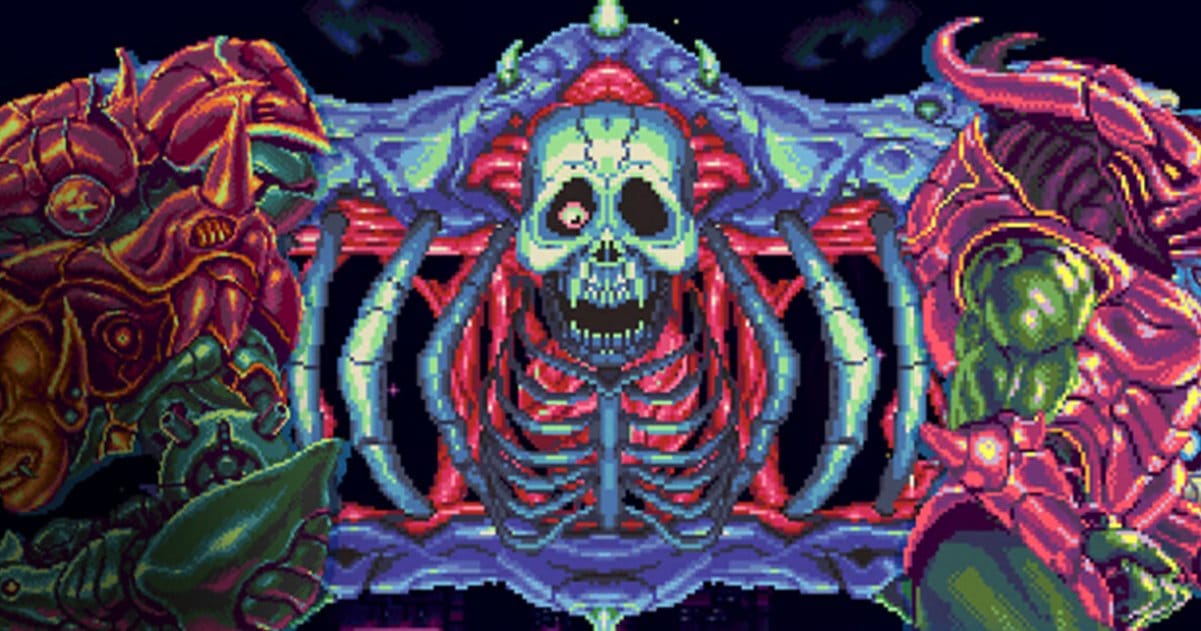
The game offers three distinct characters, each with a unique firing pattern, providing a degree of tactical variety. This choice allows players to experiment with different approaches to enemy waves. The visual and auditory presentation of ZPF is a clear homage to early Sega titles, successfully transporting players back to the 16-bit era.
The sprites for enemies are well-defined, ensuring they stand out against the background. This clarity is important for a game where quick reactions are paramount. The levels, while visually appealing, do not introduce environmental hazards or varied spatial challenges beyond the enemy bullet patterns.
Design Choices and Missed Opportunities
Despite its nostalgic appeal, GameGrin identifies several issues that hinder the overall experience. A significant drawback is the absence of online leaderboards; only local scores are tracked. This omission undermines the core competitive drive the game ostensibly promotes, making it easy to reach the top without genuine external challenge.
Furthermore, the game lacks a persistent save state for scores. If the programme is closed, all recorded scores are lost. This means players cannot even compete against their own past achievements over time, which feels like a considerable oversight for a score-chasing game. The melee attack, while present, is largely ineffective. The review notes that using it often results in immediate death due to proximity to enemies, suggesting it serves little practical purpose.
The Authenticity Question
Visually and audibly, ZPF is a competent recreation of the Megadrive aesthetic. The graphics and music genuinely capture the spirit of early Sega releases. However, the review suggests that ZPF feels more like an emulator running an old game than a new title built with modern considerations.
This observation is not necessarily a criticism of its authenticity, but rather of its failure to evolve. It replicates the past without addressing some of the design limitations that might have been improved upon in a contemporary context. The lack of varied level design, beyond cosmetic changes, means the gameplay loop remains largely consistent, relying solely on enemy patterns.
Beyond Pure Nostalgia
What this hints at, for the scene, is the delicate balance required when developing new retro-style games. Simply replicating the look and feel of an older system is often insufficient. Modern players, even those seeking a nostalgic experience, frequently expect certain quality-of-life features or design refinements that enhance replayability and engagement beyond the initial novelty.
The absence of online leaderboards and persistent score tracking in a game built around high scores is not a disaster, but it is a missed opportunity. It limits the game's longevity and its capacity to foster a competitive community, which is often a key driver for such titles. ZPF offers a specific kind of retro enjoyment, but its limitations mean it struggles to stand out in a crowded market of retro-inspired titles. It is a competent homage, perhaps, but one that falls short of its potential to truly engage a broader audience.
Ultimately, ZPF delivers a dose of Megadrive nostalgia. However, GameGrin's analysis suggests it does not offer enough compelling reasons for new players to invest their time, nor does it provide the depth required to sustain long-term interest for seasoned enthusiasts seeking more than just a visual throwback. The challenge for developers in this space remains to honour the past while still offering something genuinely new.
If you run Sega hardware, do the boxes a favour. Our Sega game protectors fit Megadrive, Saturn and Dreamcast cases, made in the UK from cast acrylic.
Follow RetroShell on X for daily retro gaming news. Join the community on r/RetroShell.
Originally published by GameGrin. Read original article.