Duck Hunt's 42nd Anniversary: NES Launch and Zapper Legacy

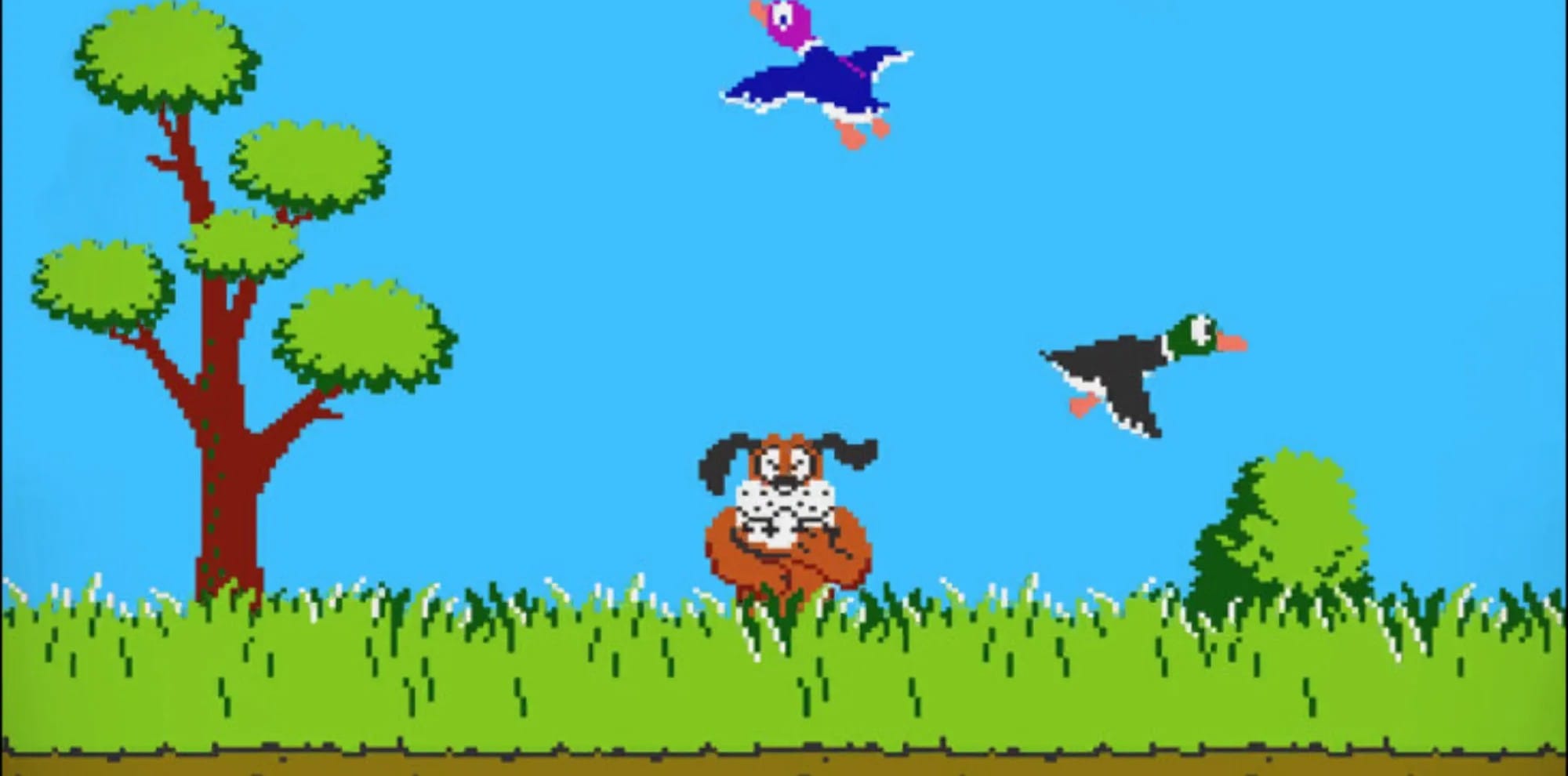
Forty-two years ago, Duck Hunt first hit Japanese shelves. This wasn't just another game; it was a foundational piece of the Nintendo Entertainment System's identity, especially when bundled with the console and its iconic Zapper light gun. Nintendo wasn't just selling a console; they were selling an experience, a direct challenge to the joystick-and-paddle era that defined the Atari 2600.
ComicBook Gaming reports that Duck Hunt, debuting in Japan on April 21, 1984, remains one of the most fundamental shooting games ever released. It was a no-brainer for Nintendo's global launch, particularly in North America, where it often came paired with Super Mario Bros. This bundling strategy made it one of the best-selling shooters of the 20th century, cementing its place in gaming history.
From Beam Gun to NES Zapper
The game's origins trace back to Nintendo's earlier ventures into toy manufacturing. The source notes Duck Hunt was directly inspired by the Nintendo Beam Gun, a light gun toy released in 1976. This pre-console success, particularly with the Beam Gun: Duck Hunt toy, caught the attention of key Nintendo creatives like Takehiro Izushi and Gunpei Yokoi. They saw the potential to translate that physical, interactive experience into a digital format for the Famicom, known as the Nintendo Family Computer in Europe.
This move was strategic. The Nintendo Entertainment System, or NES, was initially conceived as an all-around entertainment device, not just a dedicated gaming console. The Zapper, a light gun peripheral, reinforced this vision, offering a unique play style that differentiated it from competitors. It proved how engaging a first-person approach could be on home consoles, a concept that has only expanded over the last four decades.
The Collector's Take on Duck Hunt Value
You can find loose copies of Duck Hunt for pocket change. It was a pack-in, after all. The sheer volume of copies means a standalone cartridge, even in decent shape without label damage or sticker shadow, rarely commands significant value. The real collector's challenge comes with a complete-in-box (CIB) set, especially one with a clean Zapper and an undamaged manual. The Zapper itself, often prone to yellowing plastic or cable fraying, becomes the primary condition hurdle for a truly pristine example.
What this hints at, for the scene, is how critical peripherals were in defining early console experiences. The Zapper wasn't a Power Glove disaster; it was a core part of the NES identity, a peripheral that actually worked and sold systems, unlike some later, more ambitious failures. A CIB Duck Hunt with a well-preserved Zapper, free of manual foxing or box tears, can still fetch a decent price, reflecting the difficulty of finding all components in top condition, rather than the game's inherent rarity.
Defining the Console FPS Experience
Duck Hunt's simple, escalating difficulty curve made it instantly accessible yet challenging. Its success made the game iconic, ensuring the Duck Hunt Dog's endurance in Nintendo crossovers like the Super Smash Bros. series. The game helped inspire countless other light gun titles during the peak arcade era and laid crucial groundwork for the console First-Person Shooter (FPS) genre.
The decision to use an actual light gun peripheral established the idea that shooters were a first-person game that firmly placed the player in the action. While gaming hardware took time to fully embrace the genre's potential, Duck Hunt planted the seeds. It demonstrated the core mechanic of directly aiming and firing from a first-person perspective, a stark contrast to the side-scrolling shooters prevalent at the time.
A Lasting Legacy for Shooters
The broader success of the NES meant Duck Hunt ended up in the hands of countless players worldwide. It helped define what the FPS genre on home consoles could look like, leaving the door open for developers to innovate. While the light gun peripheral eventually faded from prominence, later controllers incorporated advancements that allowed for precise targeting without a dedicated external device.
Duck Hunt's straightforward approach still captures the essence of the genre. It's the simplicity of gameplay, the natural chaos of multiple targets, and the direct player engagement that resonates. Gaming would likely look vastly different without Duck Hunt, a simple but addictive shooter that highlighted just how challenging, engaging, and occasionally enraging that style of gameplay could be, setting a precedent for generations of titles to follow.
Got Atari in the collection? Our Atari acrylic protectors are UK-produced, tight-tolerance, and worth every penny if you care about CIB condition.
Follow RetroShell on X for daily retro gaming news. Join the community on r/RetroShell.
Originally published by ComicBook Gaming. Read original article.