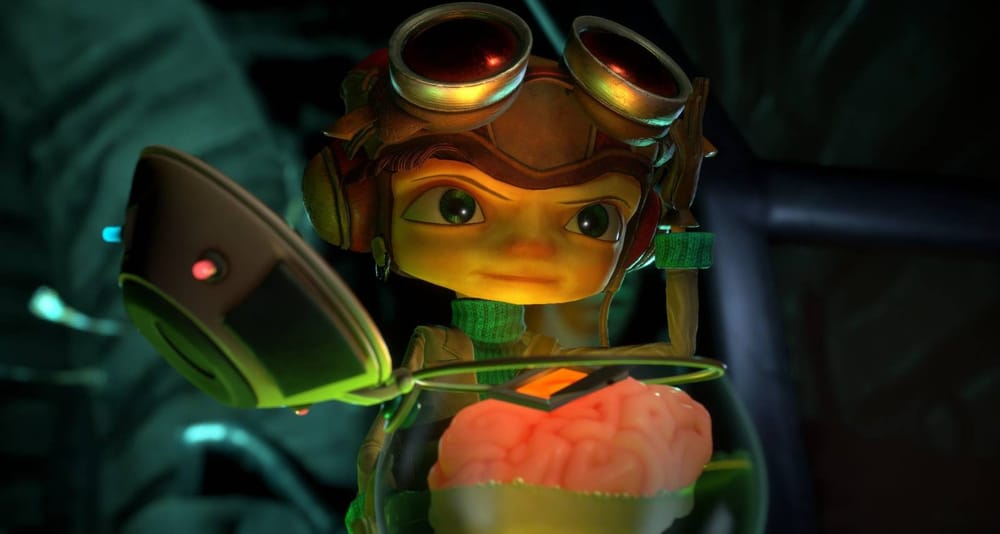

Reports circulating from outlets such as The Gamer suggest Double Fine, the studio behind Psychonauts, faces an uncertain future under Xbox, prompting some to speculate about a potential acquisition by Nintendo. This particular brand of fan-driven corporate strategy, while understandable in its optimism, often overlooks the deeply ingrained, often glacial, patterns of major platform holders when it comes to external studio integration; Nintendo, in particular, operates with a distinct, historically cautious approach to such matters, quite unlike the more aggressive consolidation seen elsewhere in the industry.
Xbox appears to be in a period of significant re-evaluation, with rumours indicating that several of its owned studios might face closure if they cannot secure their independence. Double Fine is among the studios mentioned in these reports. The studio's recent title, Kiln, a pottery brawler, has struggled to find an audience, showing just 13 players on Steam less than two months after its launch, as noted by The Gamer.
Double Fine's Current Predicament
The financial viability of studios within larger corporate structures is a constant concern, and Double Fine's situation appears precarious. If the studio is indeed on the Xbox chopping block, as some reports suggest, its ability to buy back its independence, much like Toys for Bob reportedly did, remains an open question. This commercial pressure is what has fuelled the social media discussion around Nintendo potentially stepping in.
Fans have pointed to the creative alignment between Double Fine's output and Nintendo's traditional strengths. IGN's Ryan McCaffrey, among others, has highlighted how Psychonauts games possess a unique platforming feel and polish that resonates with Nintendo's own first-party titles. There is a clear aesthetic and gameplay sensibility that could, on the surface, make Double Fine a natural fit for the Nintendo ecosystem, particularly for a platform like the Switch.
Nintendo's Measured Acquisition History
However, the reality of Nintendo's acquisition strategy is considerably more conservative than what many might assume. Unlike PlayStation or Xbox, which have engaged in more frequent, large-scale studio purchases, Nintendo typically brings studios under its umbrella only after a prolonged period of close collaboration. This often involves several years of the external studio developing or co-developing multiple games exclusively for Nintendo platforms, effectively proving their long-term value and cultural fit.
Next Level Games serves as a prime example of this deliberate approach. The studio worked with Nintendo for over two decades, starting with Super Mario Strikers on the GameCube. It transitioned to working exclusively with Nintendo in 2014, yet the full acquisition did not occur until 2021. Mario Strikers: Battle League and Metroid Prime 4: Beyond are among Next Level's first projects as a wholly Nintendo-owned entity. Similarly, SRD, a studio that assisted with development on the original Super Mario Bros. for the NES, was not fully acquired by Nintendo until 2022, after decades of partnership.
The Unlikely Reality
What this hints at, for the scene, is that Nintendo prioritises deep, established working relationships over opportunistic purchases, even when a creative alignment seems apparent. The real story here is not simply about a studio's output, but the intricate, often invisible, web of trust and shared development history that underpins Nintendo's corporate structure. The relationship between Nintendo and Double Fine, as it stands, simply does not meet the historical prerequisites for an acquisition. While the idea of Double Fine's distinctive games thriving on a future Nintendo console is appealing, the path to that outcome is unlikely to be through an immediate corporate rescue.
For Double Fine, navigating its current challenges will likely involve exploring avenues other than a Nintendo buyout. Should the studio manage to secure its future, a closer, more organic collaboration with Nintendo on future projects might be a more realistic, albeit longer-term, prospect than an outright acquisition. The business of video game development, particularly at this scale, rarely operates on sentiment alone.
Keeping Nintendo boxes crisp? Our Nintendo game protectors are UK-made cast acrylic, sized for NES, SNES, N64, GameCube and handheld boxes.
Follow RetroShell on X for daily retro gaming news. Join the community on r/RetroShell.
Originally published by The Gamer. Read original article.