Steam Machine Benchmarks Spark Emulation Performance Debate
Leaked Geekbench results for Valve's Fremont console have emerged, prompting discussions among enthusiasts about its multi-core performance and potential for retro emulation.

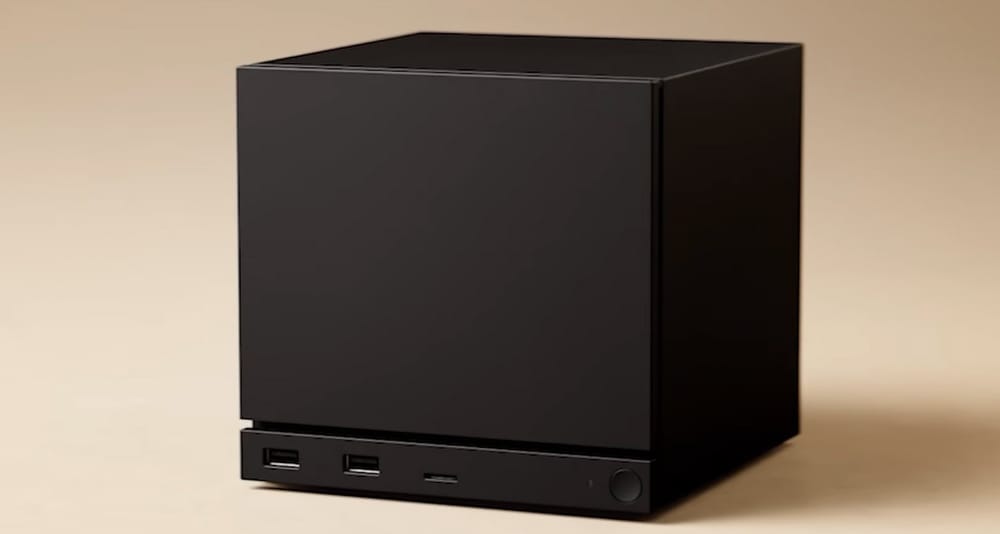
Leaked Geekbench benchmark results for Valve's upcoming "Fremont" console, widely known as the Steam Machine, have started circulating online. For those of us who spend time optimising RetroArch cores on devices like the Anbernic RG35XX or debating the merits of FPGA accuracy on the Analogue Pocket, the raw CPU performance of a new platform always raises questions about its potential for robust emulation. These new figures, reportedly from review units, have sparked immediate debate within the retro gaming community regarding the device's overall power.
The benchmarks, reported by VICE, indicate a multi-core score that some users find concerning, particularly when compared to previous tests from 2025 based on the Steam Machine's initial specifications. The latest results appear to show a performance regression. One Reddit user noted that the scores are "still a decent amount under an i5-12400" in multi-core performance, referencing a common desktop Central Processing Unit.
This comparison has led to a split reaction. Some players expressed disappointment, with one user describing the multi-core results as "trash." Others, however, pointed to the console's potential for retro gaming, according to Intel i5-12400. They suggested that with these scores, the Steam Machine could "emulate flawlessly up to 6th gen" consoles.
Emulation Potential and Performance
The real story here is the Steam Machine's potential as a dedicated emulation box, rather than its raw power for modern PC titles. A system capable of running 6th generation consoles like the Sony PlayStation 2, Nintendo GameCube, Sega Dreamcast, and the original Microsoft Xbox without issue is a significant proposition. This level of performance would cover a vast library of classic games, making it an attractive option for enthusiasts who prioritise historical game preservation and playability.
The discussion also extended to 7th generation emulation, which includes consoles like the Nintendo Wii and Sony PlayStation 3. While the consensus suggests "mixed results" and "caveats" for these more demanding systems, the ability to even attempt them is notable. This positions the Steam Machine as a versatile device for retro gaming, potentially sitting alongside dedicated FPGA hardware like the MiSTer for its broad software emulation capabilities.
Release Window Speculation
Beyond the performance figures, the VICE report also touched upon potential release details. A separate leak suggests that Steam Machine reviews are expected to go live after Tuesday, June 23, 2026. This date could also coincide with the official reveal of the Steam Machine's release date, following a pattern seen with the Steam Controller's pre-order announcement after its reviews.
VICE advises caution with this particular leak, noting that it has not been widely corroborated by additional sources. However, the emergence of these Geekbench benchmarks does lend credence to the idea that review units are indeed in the hands of testers. This means more concrete performance data and official announcements could be on the horizon, giving us a clearer picture of Valve's plans for Fremont.
RetroShell also makes museum-grade acrylic game protectors, UK-produced, cast acrylic, sized for every major console generation.
Follow RetroShell on X for daily retro gaming news. Join the community on r/RetroShell.
Originally published by VICE. Read original article.