Nintendo Issued Cease and Desist Over Triforce Boots

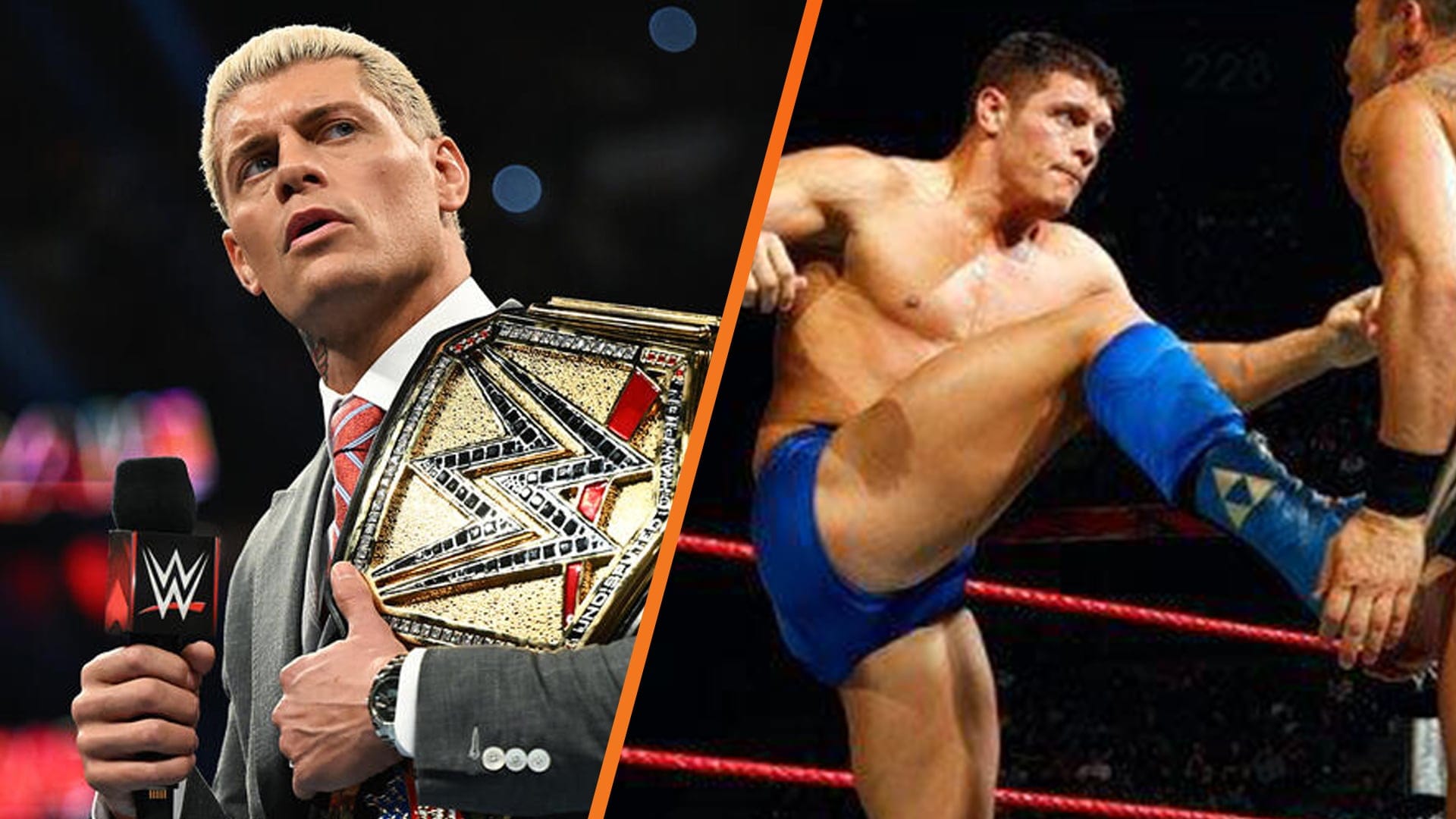
WWE undisputed champion Cody Rhodes recently disclosed that Nintendo issued a cease and desist order regarding his use of the Triforce symbol from The Legend of Zelda on his wrestling boots. This action, while seemingly minor, shows the consistent vigilance major intellectual property holders maintain over their assets, even when the usage is framed as a personal homage rather than direct commercial exploitation. Rhodes, during his initial World Wrestling Entertainment tenure in the late 2000s and early 2010s, frequently incorporated the distinctive three-triangle emblem into his ring attire.
Rhodes revealed this detail on his podcast, "What Do You Wanna Talk About," explaining to fellow wrestler Kit Wilson the personal significance of the Triforce. He pointed to a Triforce tattoo on his ring finger, stating, "I live that shit, dog," before elaborating on the symbol's principles. "I thought [about] the principles of the Triforce, which are power, courage, and wisdom," Rhodes said, referencing Zelda as the wise one, Link as the courageous, and Ganon as the powerful. He found these qualities applicable to the competitive world of sports entertainment, particularly the courage required to continue despite physical setbacks.
The wrestler clarified that Nintendo's communication was "very kind" and "polite," not an aggressive pursuit. He also acknowledged he was "not the first guy to have the Triforce." This was not the first time Rhodes spoke about his Triforce boots; a 2008 issue of WWE Magazine featured him discussing the symbol. "If you take a look at the logo on my boots, you’ll notice that it’s the Triforce from The Legend of Zelda," he told the magazine, adding that he replayed The Legend of Zelda: A Link to the Past annually and applied the game's virtues to his life.
The Reach of Corporate IP
Nintendo's decision to issue a cease and desist, even a polite one, for a symbol displayed on a wrestler's boots in a commercial setting is instructive. It shows that the company's intellectual property enforcement extends beyond direct fan-made games or merchandise. While Rhodes' use was clearly a personal tribute, his platform as a World Wrestling Entertainment champion meant the symbol was displayed to a global audience, blurring the lines between personal expression and commercial visibility. The company's approach here suggests a calculated strategy to maintain control over its brand imagery, regardless of the user's intent. This is not a disaster, merely a clear statement of ownership.
This incident is not an isolated case in the broader context of intellectual property management in retro gaming. Companies like Nintendo are known for their stringent protection of their assets, a stance that often puts them at odds with fan communities. These communities frequently engage in activities like creating fan art, developing ROM hacks, or even producing custom hardware featuring copyrighted symbols. The distinction between a fan's personal project and a public display, particularly one with a commercial aspect like professional wrestling, is often where these legal boundaries are tested. The legal precedent for such actions is well-established, though the specific application can sometimes surprise those operating in good faith.
Fan Homage and Commercial Display
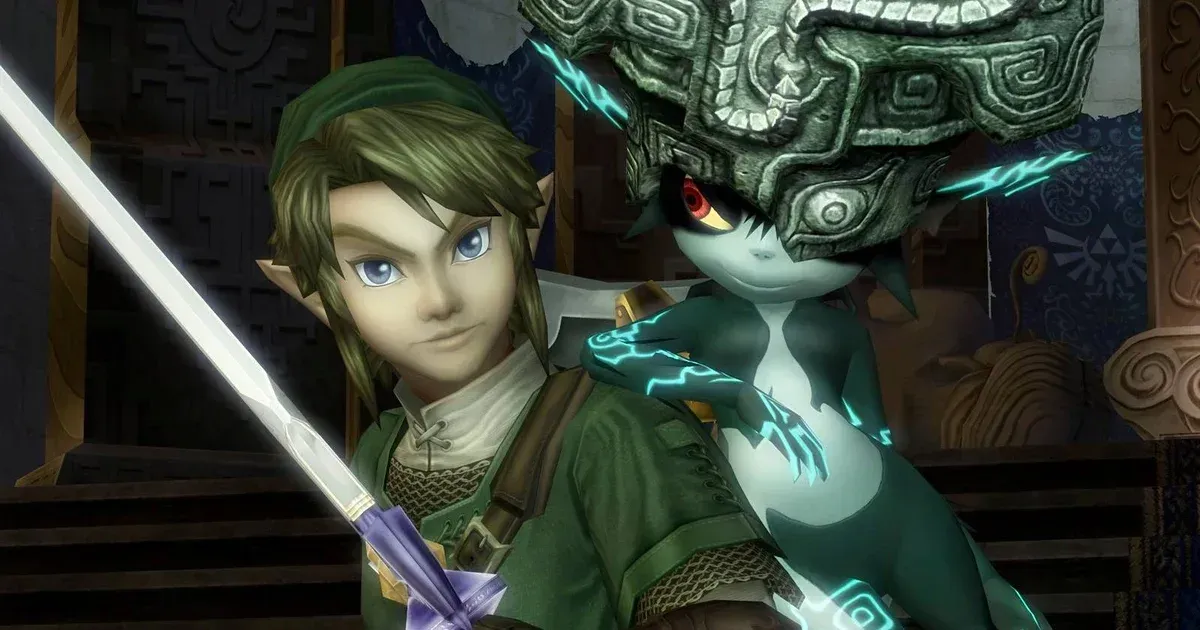
Rhodes also drew a parallel between the wrestling business and the development of The Legend of Zelda: Twilight Princess. He suggested both were examples of companies responding to vocal fan requests. "Fans like what they like, and when they get vocal enough, the whole world can change," he explained, citing his own career as proof. He contrasted the reception of The Legend of Zelda: Wind Waker, which he called a "great game" but noted fans "weren’t ready for how it looked," with the demand for a more "edgy Zelda" that Twilight Princess eventually delivered. This observation, while tangential to the IP issue, highlights the complex relationship between creators and their audience, a dynamic that also influences how fan culture interacts with corporate IP.
The situation with Cody Rhodes and the Triforce is a reminder that even seemingly innocuous uses of copyrighted material can attract corporate attention. While the tone of Nintendo's communication was reportedly cordial, the underlying message is clear: the Triforce, and by extension, other Nintendo properties, remain under strict control. This serves as a quiet warning to anyone considering incorporating such symbols into public-facing projects, even those driven by genuine admiration. The line between homage and infringement, particularly in a commercial context, is one Nintendo appears keen to delineate, ensuring its intellectual property is not diluted through widespread, unauthorised use.
If those carts deserve shelf time, they deserve protection. Browse the Nintendo range at shop.retroshell.com — NES through GameCube, all UK-made.
Follow RetroShell on X for daily retro gaming news. Join the community on r/RetroShell.
Originally published by VGC. Read original article.