
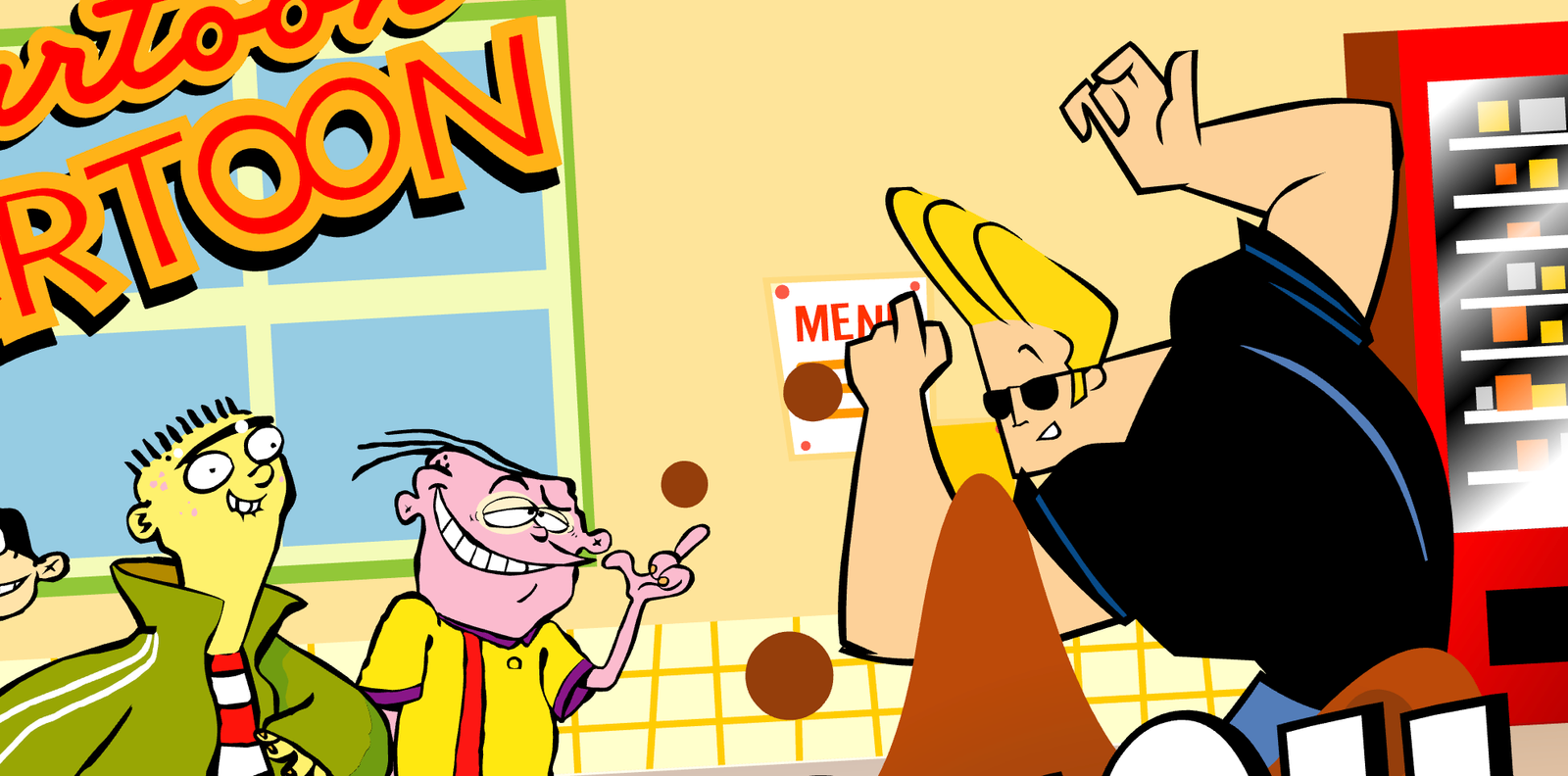
Cartoon Network Flash Games Preserved Online

The Web Design Museum has undertaken a significant preservation effort, bringing 44 Cartoon Network Flash games back into public access. These browser-based titles, once ubiquitous on children's websites, faced obsolescence with Adobe Flash Player's demise, a technical shift that rendered a vast swathe of early web content unplayable. The inherent fragility of such ephemeral digital artefacts makes their continued availability a quiet triumph for digital heritage.
Reported by The Gamer, this collection spans titles from 2001 to 2015, featuring popular intellectual properties such as Scooby-Doo, The Powerpuff Girls, Samurai Jack, and Ed, Edd n Eddy. The museum's stated goal is to "preserve the creative legacy of millennium web designers for future generations," acknowledging that the unique design of early 2000s websites is rapidly fading from collective memory.
The project ensures these games are freely accessible and playable directly within modern web browsers, a considerable technical feat given the proprietary nature of Flash. This move bypasses the need for emulators or specific browser plugins, offering a smooth user experience that mirrors the original.
The Technicalities of Digital Archaeology
The challenge of preserving Flash content extends beyond simply archiving files. Flash Player, a proprietary runtime environment, ceased support at the end of 2020, effectively bricking millions of interactive web experiences. Projects like the Internet Archive's Flashpoint initiative have tackled this on a grand scale, often requiring custom wrappers or local installations. The Web Design Museum's approach, however, appears to integrate these games directly into a browser-compatible format, suggesting a more direct remediation than simply bundling them with an old Flash player. This is not a trivial undertaking.
A Fading Digital Heritage
These Cartoon Network games represent a specific, often overlooked, segment of digital culture. They were not console blockbusters or PC masterpieces, but rather casual, browser-based diversions that shaped the early internet experience for a generation. Their cultural value, while perhaps not immediately apparent to all, lies in their role as digital ephemera, reflecting design trends, popular media, and the interactive possibilities of the web at the time. The loss of such content would leave a significant gap in our understanding of early 21st-century digital interaction.
What This Means for Preservation Efforts
The Web Design Museum's work underscores a broader shift in preservation priorities. While the archiving of console ROMs and PC software has long been a focus, the often-fragile nature of web-based content, particularly that reliant on proprietary plugins, presents a different set of problems. This effort demonstrates that even seemingly minor, commercially-driven web experiences hold historical significance and warrant dedicated archival attention. It is a reminder that digital heritage is not solely about high-profile releases; it encompasses the full spectrum of interactive media.
As digital platforms continue to evolve and older technologies become obsolete, the work of organisations like The Web Design Museum becomes increasingly critical. Their efforts ensure that the digital past, in all its forms, remains accessible for study, nostalgia, and future understanding, rather than simply vanishing with the next browser update.
Keep your collection properly. RetroShell's shop stocks UK-made acrylic protectors for Atari, Sega, Nintendo and more.
Follow RetroShell on X for daily retro gaming news. Join the community on r/RetroShell.
Originally published by The Gamer. Read original article.